
Last updated September 24, 2026
Free written scope consultation - allowances, timeline, and change-order rules on paper before a single trade is scheduled
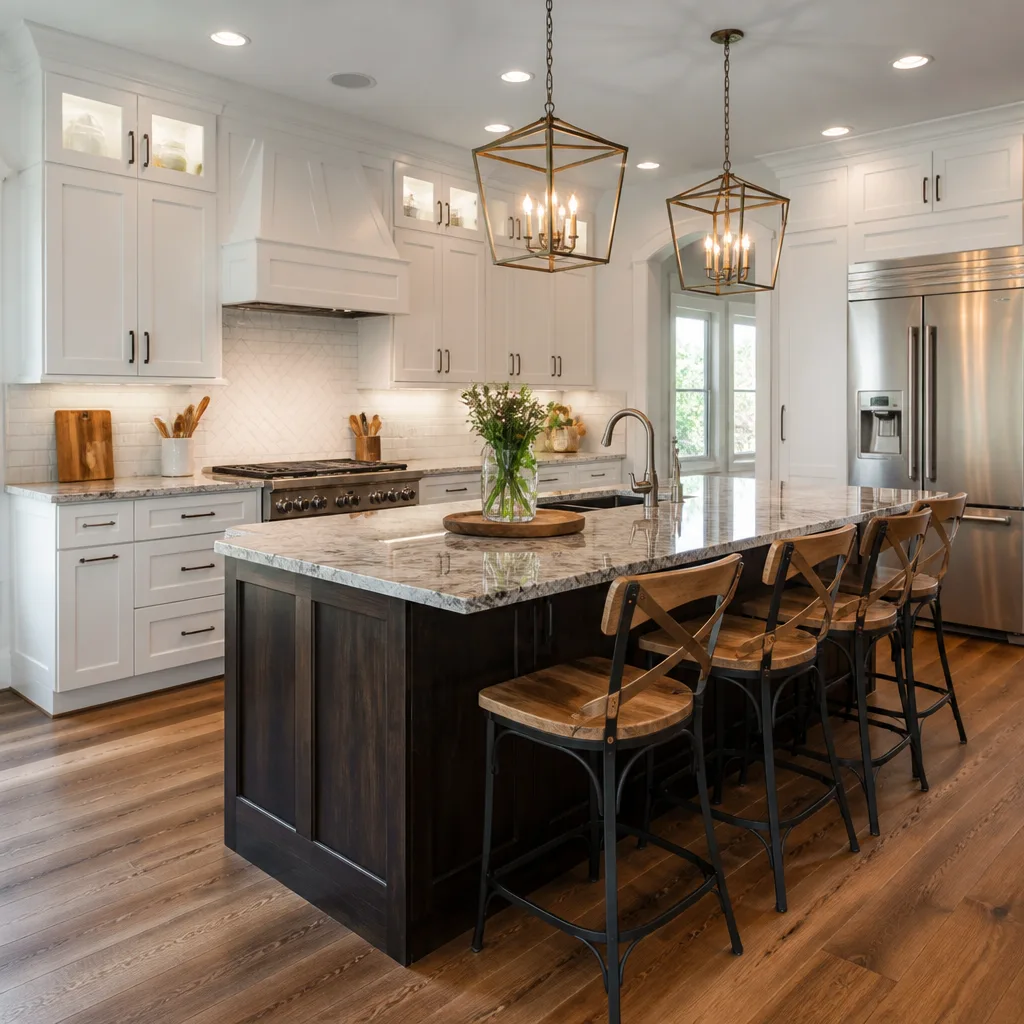
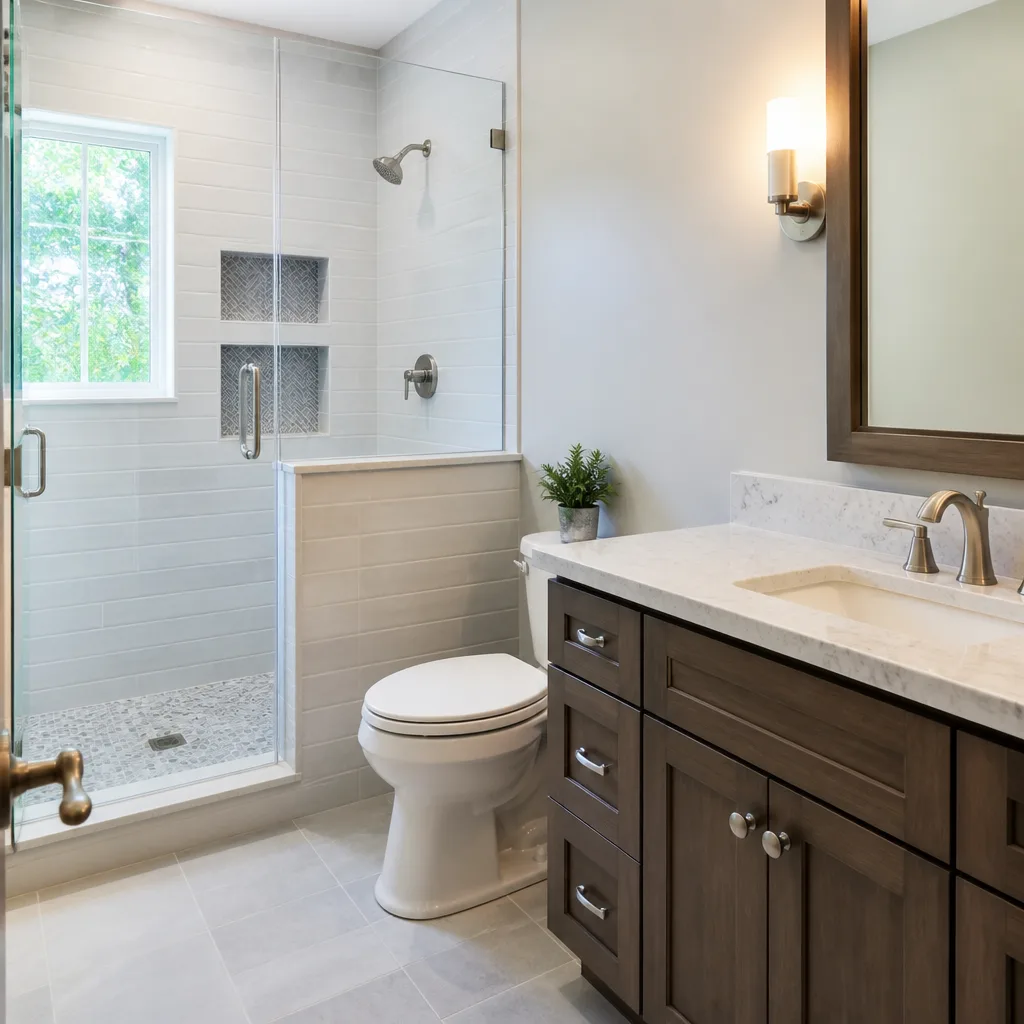
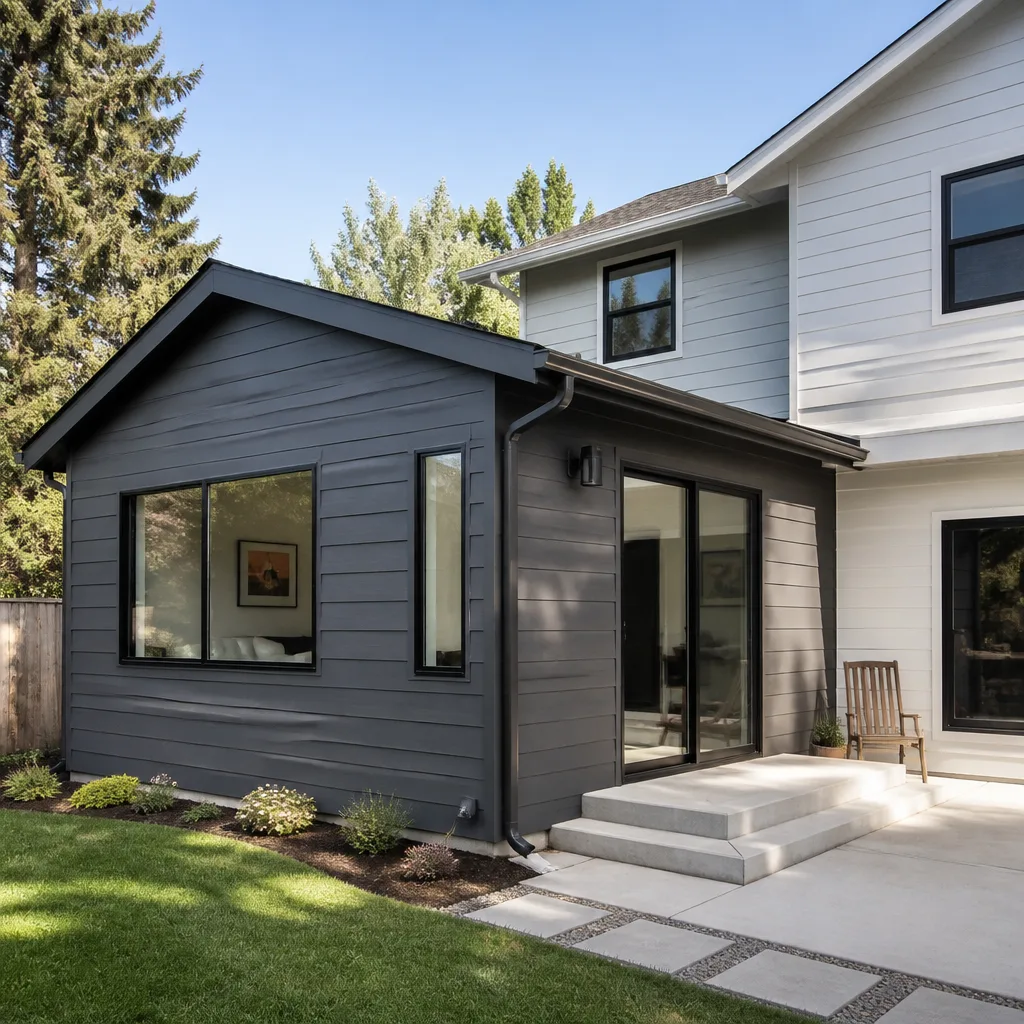
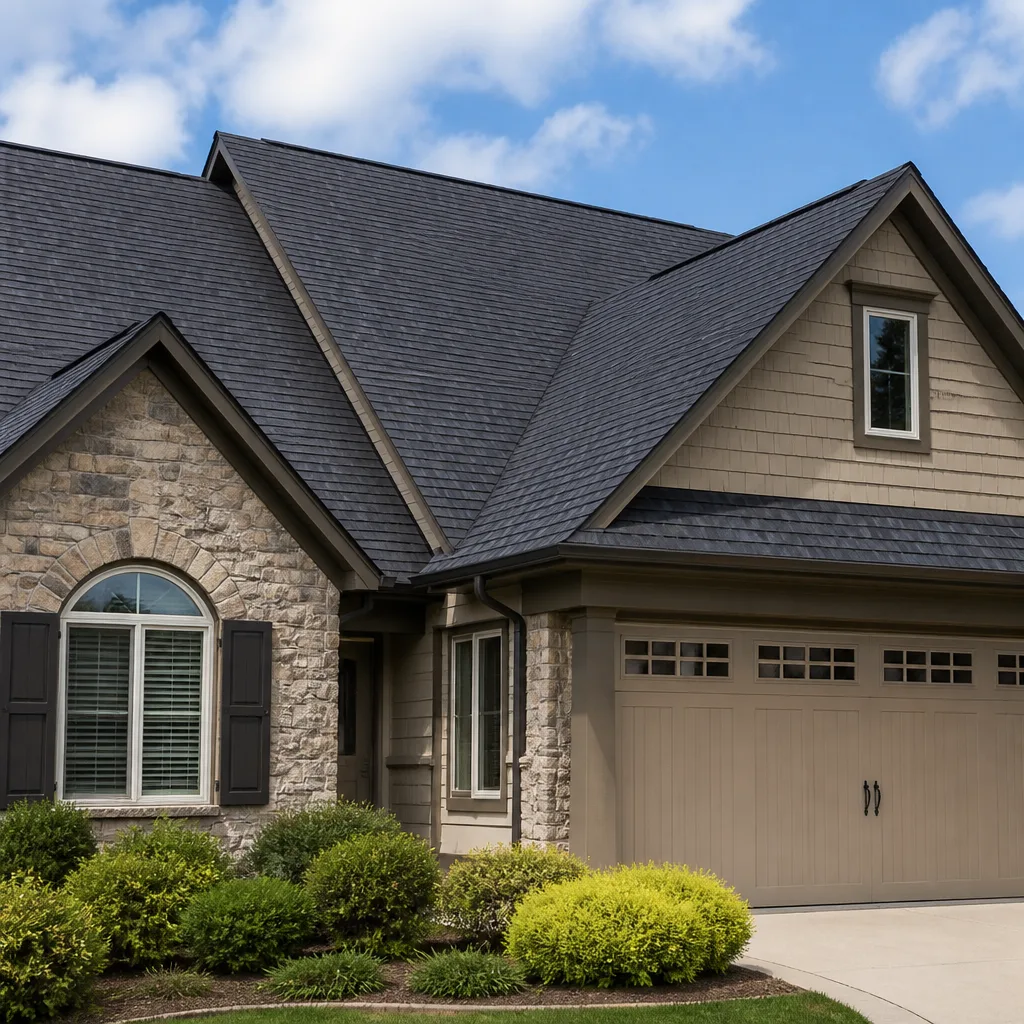
 Before
 After
After Before
 After
After Before
 After
AfterConstruction Permits, Codes & Inspections in CA: What You Need to Know
California adopted the 2022 California Building Code on January 1, 2023 - but Contra Costa County’s permit office still has a backlog from the 2021-2022 permit surge, which means plan check review for new residential additions can run eight to twelve weeks even for straightforward projects. The code changed; the queue didn’t. For homeowners in Walnut Creek and across Contra Costa County, this gap between state mandate and local capacity is where projects live or die on schedule. This guide explains what California actually requires, how Walnut Creek and the county administer those requirements, and what you can do to keep your project from stalling in the gap.
Quick Answer
Most residential construction in California requires a permit, but the type, cost, and timeline depend entirely on whether your local jurisdiction treats the work as over-the-counter (same day, $100-$400) or plan-check (weeks to months, $1,000-$5,000+). In Walnut Creek and Contra Costa County, over-the-counter permits cover water heaters, reroofs, and window replacements, while plan-check permits govern additions, ADUs, and any structural modification. Inspections happen at defined milestones - foundation, framing, rough MEP, insulation, drywall - and a failed inspection typically adds one to two weeks to the schedule.
Table of Contents
- Over-the-Counter Permits vs. Plan-Check Permits in Contra Costa County
- Title 24 Energy Compliance and Walnut Creek’s Reach Code
- The Inspection Sequence: What Happens and When
- Unpermitted Work: Real Consequences and Retroactive Permits
- Pulling Permits as a Homeowner-Builder vs. Licensed Contractor
- Permit Costs and Realistic Timelines in Walnut Creek
- Common Mistakes to Avoid
- When to Call a Professional
- Frequently Asked Questions
 Before
 After
AfterOver-the-Counter Permits vs. Plan-Check Permits in Contra Costa County
California’s building code is statewide, but permit authority sits with cities and counties. In Walnut Creek, which operates under Contra Costa County’s broader administrative framework for unincorporated areas while maintaining its own city building division, the first question is always: does this project qualify for over-the-counter issuance, or does it need plan check?
Over-the-counter permits are issued the same day, typically at the counter or through an online portal, with no engineering review. In our experience across 4,000-plus projects, these cover:
- Water heater replacements (same capacity and location)
- Roofing overlays or tear-offs on single-family homes
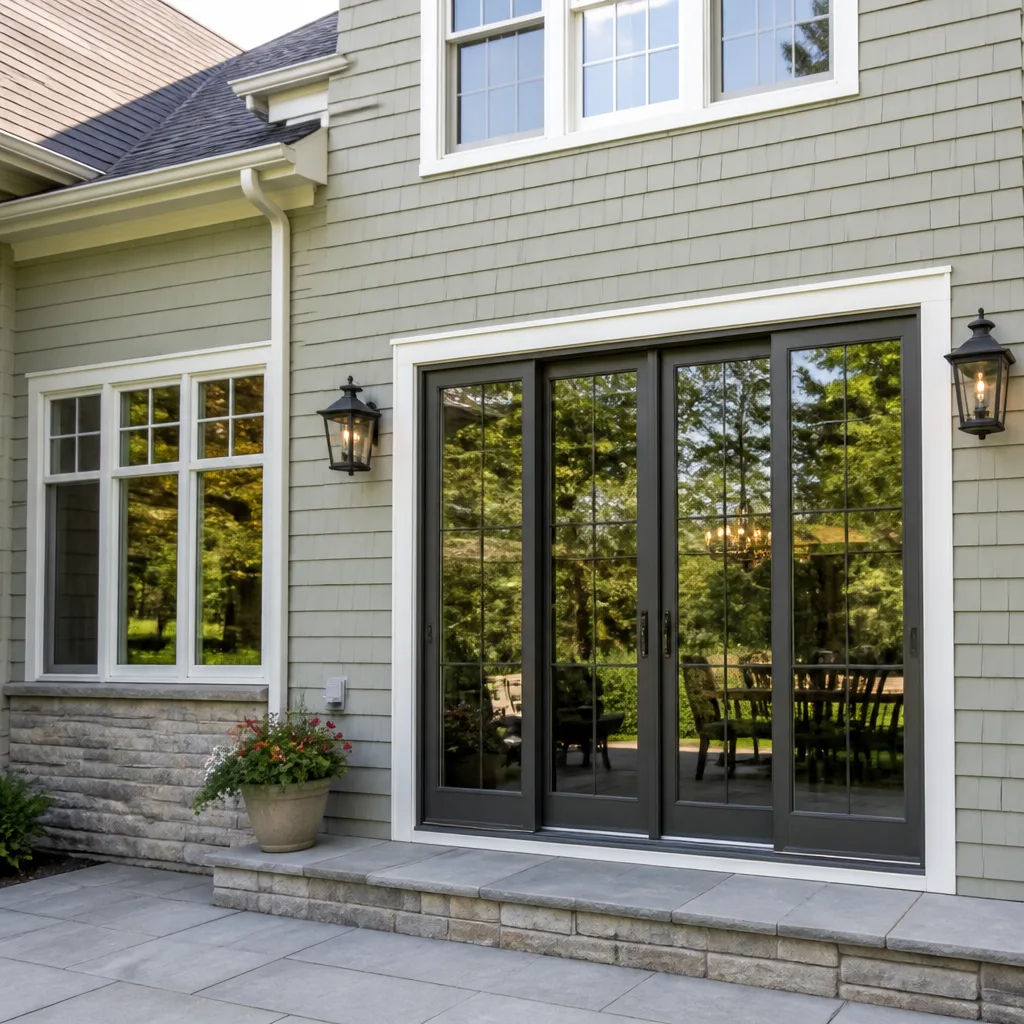
- Window and door replacements without structural modification
- Electrical panel upgrades (200-amp service, same location)
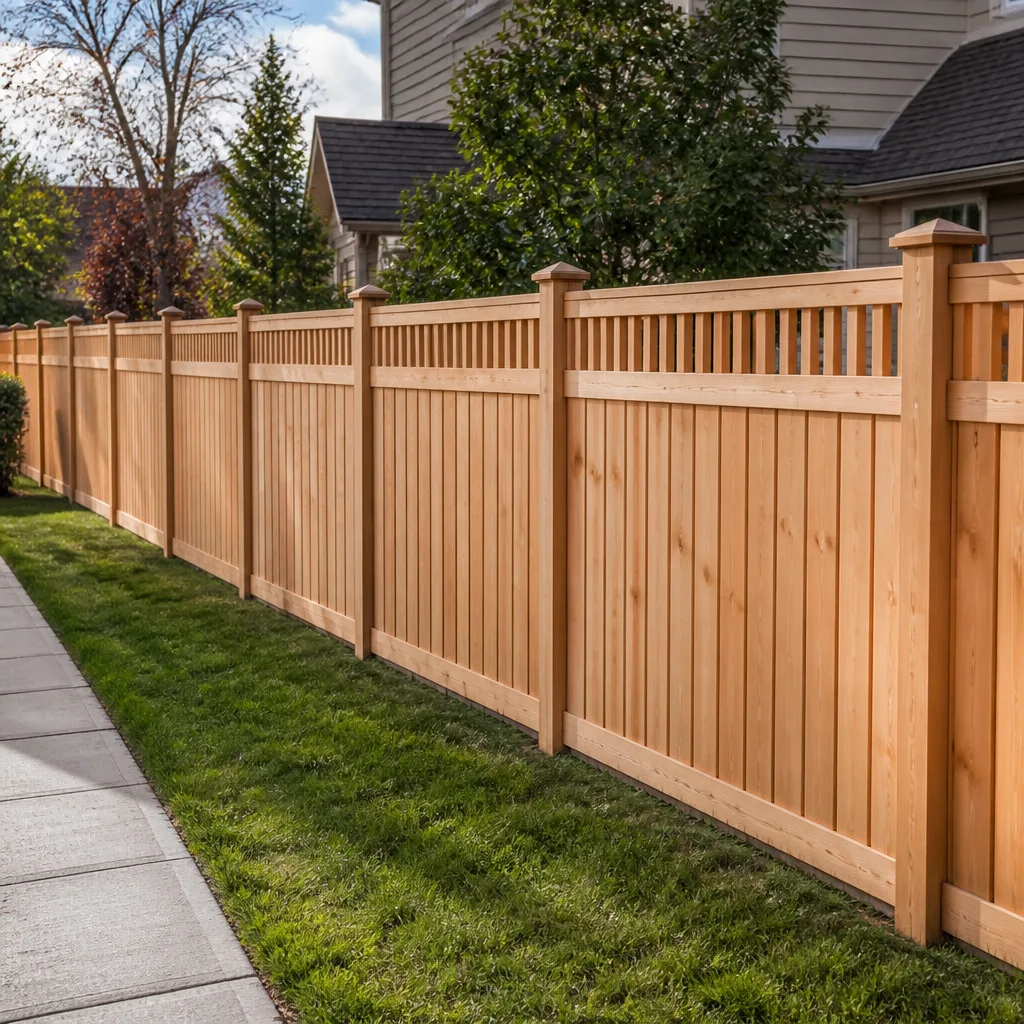
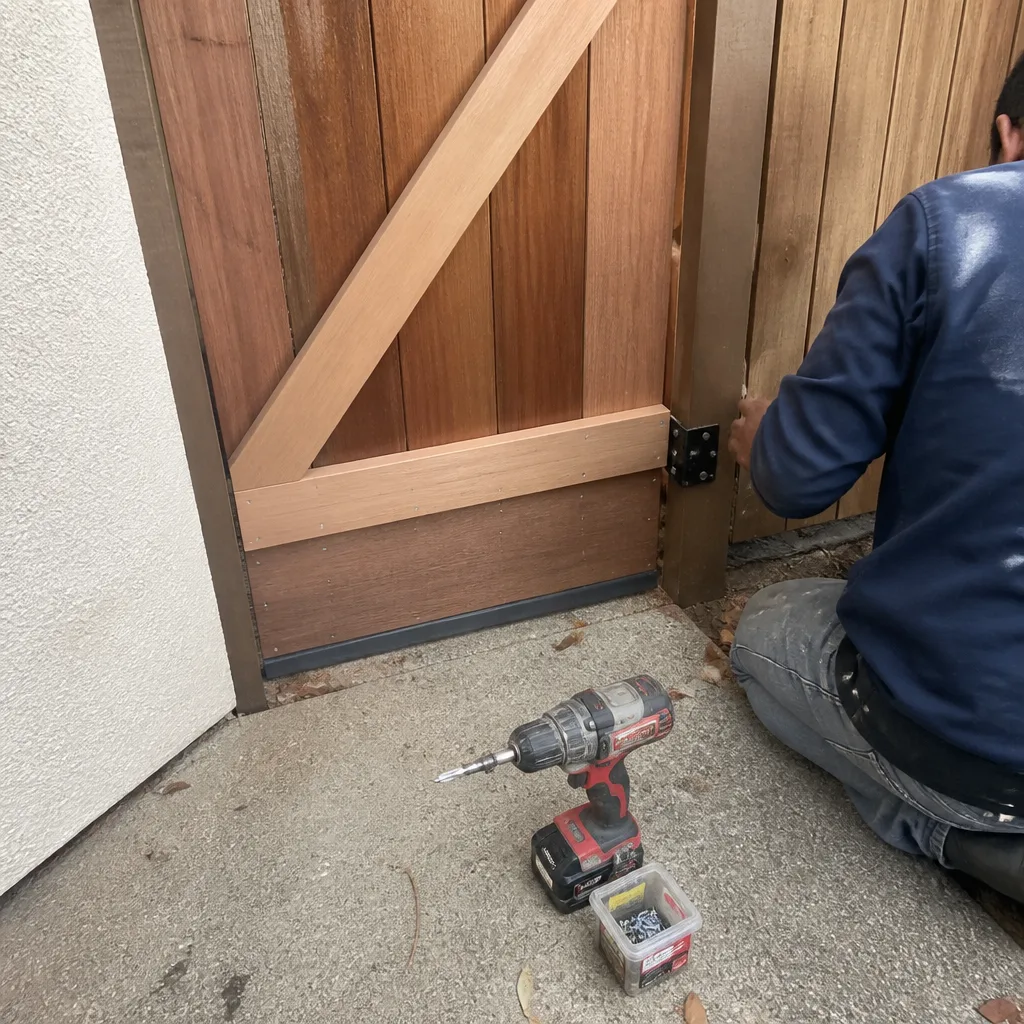
- Fence installations under 7 feet in height
- Minor plumbing fixture replacements
The fee range in Contra Costa County runs roughly $100 to $400 for over-the-counter permits, depending on valuation. The city of Walnut Creek maintains its own fee schedule, which runs slightly higher for some categories - a window replacement permit in Walnut Creek proper typically costs $180-$250, while the same project in unincorporated Contra Costa County might run $120-$180.
Plan-check permits require submittal of drawings, structural calculations, and energy compliance documentation. These are reviewed by staff engineers and planners, and the queue is where the 2021-2022 backlog still bites. Projects requiring plan check include:
- Home additions and ADUs (accessory dwelling units)
- Kitchen and bathroom remodels involving wall removal or relocation
- Any project altering the building envelope or structural system
- New construction, including detached garages
- Projects triggering fire sprinkler requirements
In Walnut Creek’s city limits, plan check for a residential addition currently runs eight to twelve weeks for the first review cycle, with two to four weeks for each resubmittal. Contra Costa County’s unincorporated areas are comparable, though some project types route through the county’s consolidated permit center in Martinez, which can add logistical complexity for homeowners in the Saranap or Alamo Oaks areas just outside city boundaries.
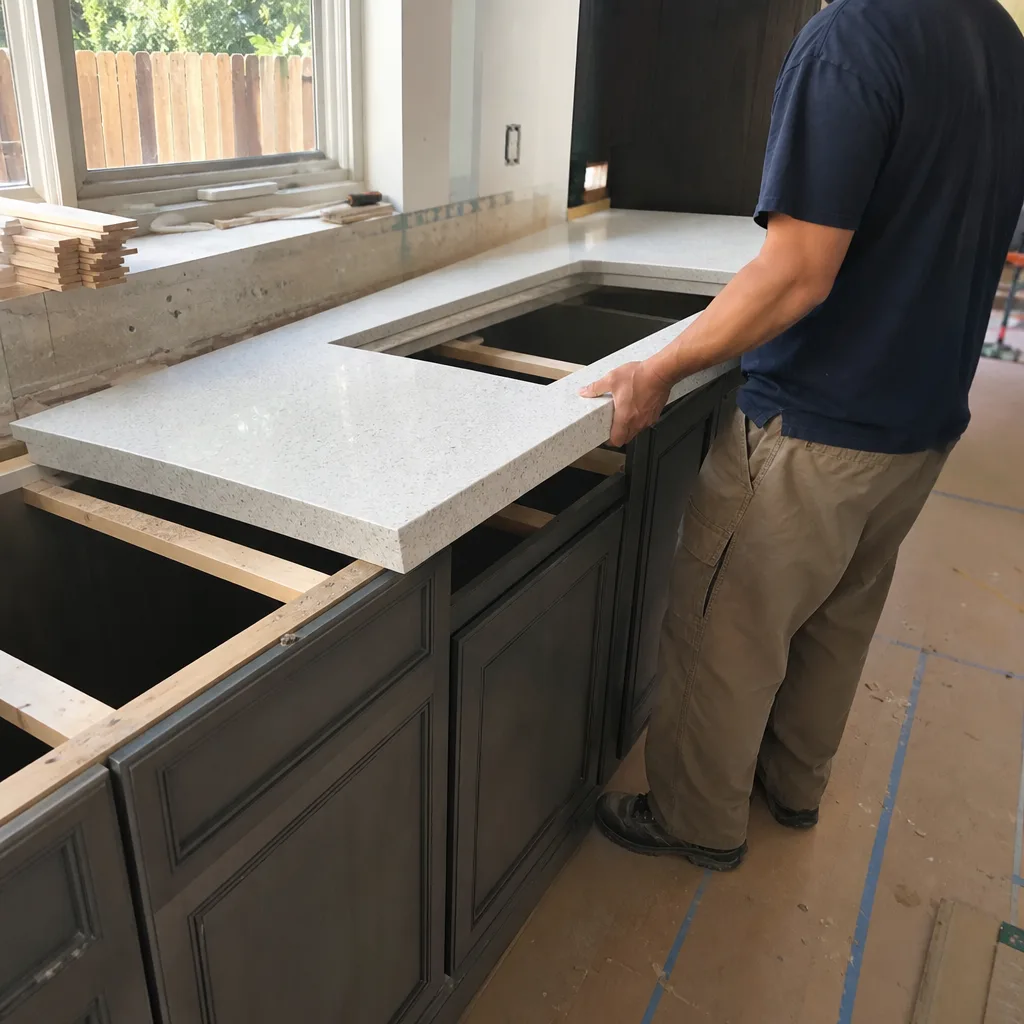
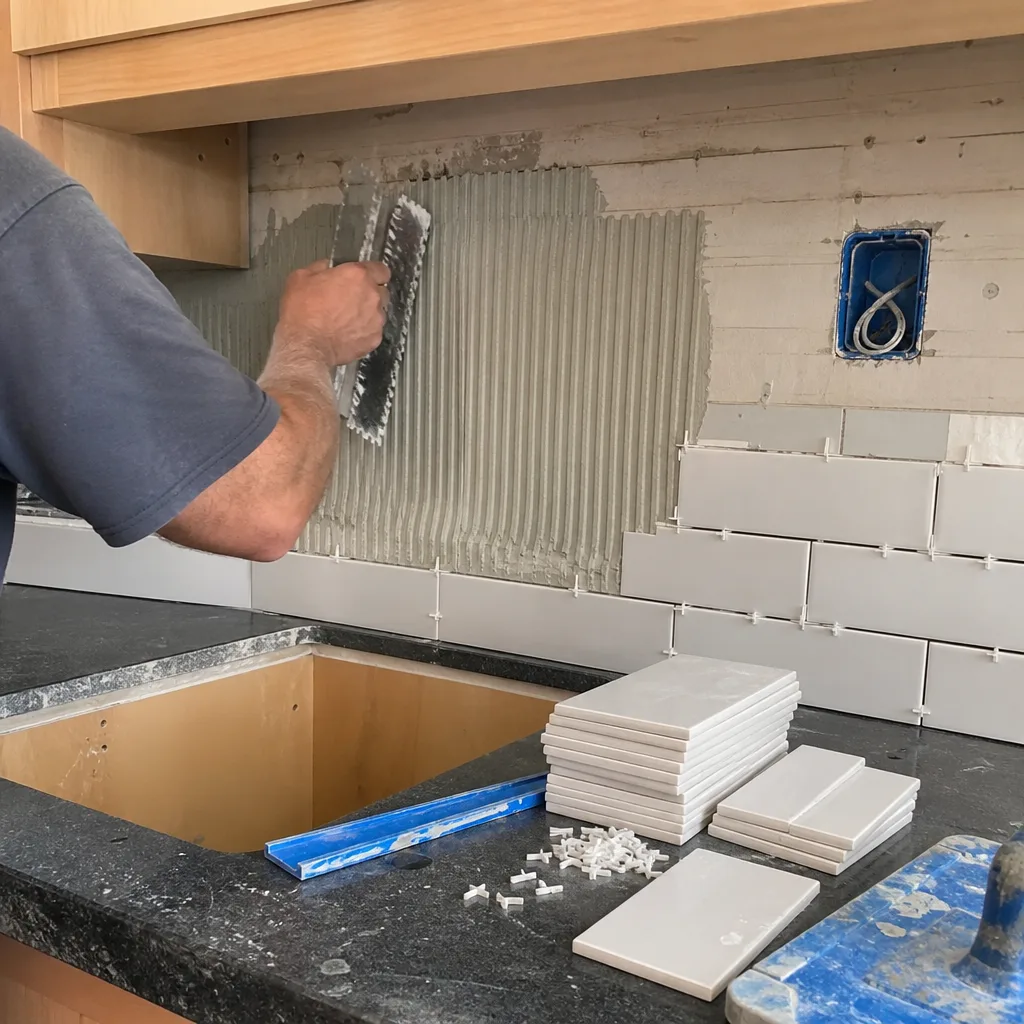
The distinction matters for scheduling. A kitchen remodeling project in Walnut Creek that keeps existing walls and replaces cabinets, countertops, and fixtures may qualify for over-the-counter permitting if no structural, electrical, or plumbing changes are involved. The same project with a removed wall, relocated gas line, or new window opening triggers plan check - and a two-month delay before construction can legally start.
Under Clause 1 of the Haven Standard, we deliver the written price only after we’ve determined which permit path applies. The permit type affects timeline, which affects crew scheduling, which affects cost. A contractor who quotes without this distinction is guessing.
Title 24 Energy Compliance and Walnut Creek’s Reach Code
Every permit in California triggers Title 24, Part 6 of the California Code of Regulations - the Building Energy Efficiency Standards. What Title 24 requires depends on whether your project is alteration, addition, or new construction, and whether your jurisdiction has adopted reach codes that exceed the state minimum.
For alterations - a kitchen or bathroom remodel in Walnut Creek - Title 24 compliance typically involves:
- Prescriptive path: meeting insulation, fenestration (window), and HVAC efficiency requirements for the altered area
- Alterations compliance form (CF-1R) documenting the work scope
- Lighting efficacy compliance if more than 10 fixtures are altered or added
- HERS (Home Energy Rating System) verification for duct sealing if HVAC is modified
The prescriptive path is simpler but less flexible. The performance path, using approved energy modeling software, allows trade-offs - better windows can compensate for less insulation - but requires a certified energy consultant and adds $400-$800 to project cost. For most Walnut Creek remodels under $100,000, the prescriptive path is the practical choice.
For additions and ADUs, compliance tightens. The new space must meet current standards, and if the addition exceeds certain thresholds, the existing building may need energy upgrades as well. In Contra Costa County, an addition over 300 square feet or with a cumulative addition history exceeding 700 square feet typically triggers mandatory existing-building compliance measures - often attic insulation upgrade, water heater replacement, or whole-house air sealing.
Walnut Creek’s reach code, adopted in 2020 and updated in 2023, exceeds state minimums in several categories:
- All-electric new construction: no natural gas infrastructure permitted in new single-family homes and ADUs permitted after January 1, 2023
- EV-ready parking: 240-volt outlet or panel capacity for EV charging required for all new parking spaces
- Solar readiness: conduit and panel space required for future solar installation on all new construction
- Enhanced envelope requirements: 15% better than Title 24 baseline for wall and roof insulation in additions over 500 square feet
The all-electric provision has practical consequences for kitchen remodeling in Walnut Creek that involves ADU creation or substantial addition. A homeowner planning a gas cooktop in a new ADU kitchen will find the permit denied unless the project predates the reach code or qualifies for a hardship exemption. We’ve redirected several Walnut Creek projects to induction cooktops and heat-pump water heaters after plan check flagged the gas line - a change that affects cabinet specifications, electrical load calculations, and project cost.
Title 24 documentation is submitted with permit application, not after. A common delay source is incomplete CF-1R forms or missing HERS rater verification. We include energy compliance documentation in every permit package we submit; the photo record from our initial site visit documents existing conditions that inform the compliance path.
The Inspection Sequence: What Happens and When
Permits are not a single checkpoint. California’s inspection framework divides construction into sequential phases, each requiring sign-off before the next begins. Understanding this sequence helps homeowners interpret contractor schedules and recognize when a project is actually stalled versus simply waiting for inspection availability.
The standard residential sequence in Contra Costa County:
- Foundation/under-slab inspection: For additions, ADUs, and any project with new concrete work. Reinforcing steel, vapor barrier, and plumbing rough-in below slab are verified. In Walnut Creek’s clay-heavy soils, particularly in the hillside neighborhoods above Rudgear Road, geotechnical observation may be required concurrently.
- Framing inspection: Structural members, shear walls, hold-downs, and fasteners are verified against engineered drawings. For roofing projects in Walnut Creek involving structural modification, this includes rafter ties and ridge beam connections.
- Rough MEP (mechanical, electrical, plumbing): Systems are inspected before wall and ceiling closure. Gas piping is pressure-tested; electrical circuits are verified for grounding and GFCI/AFCI protection; plumbing drains are water-tested. This is the most common failure point - approximately 30% of rough inspections in our Contra Costa County projects require correction and re-inspection.
- Insulation inspection: Type, R-value, and installation quality are verified. Title 24 documentation is cross-checked against field conditions. Spray foam applications require special inspection in some jurisdictions.
- Drywall/nail inspection: Fastener spacing and fire-taping are verified before texture and paint. This inspection is sometimes combined with insulation in Contra Costa County.
- Final inspection: All systems operational, all fixtures installed, all code requirements verified. The certificate of occupancy or completion is issued after final sign-off.
When an inspection fails: The inspector issues a correction notice with specific deficiencies. The contractor corrects and re-requests inspection, typically with a one to two week lag in Contra Costa County during normal periods, extending to three to four weeks during permit office backlogs. The project cannot proceed past the failed phase.
Common failure causes we’ve documented across our projects:
- Electrical panel labeling errors or missing arc-fault breakers
- Plumbing venting configurations that don’t match submitted isometric drawings
- Insulation gaps at top plates or around electrical boxes
- Missing fire-blocking at penetrations between floors
- Structural hardware installed without required Simpson Strong-Tie or equivalent ratings
The photo record we provide after each visit includes pre-inspection documentation - images of rough MEP before drywall, insulation before closure - so homeowners have independent evidence of what was installed. If an inspector disputes a condition, the photo record often resolves the question without destructive investigation.
In Walnut Creek’s city limits, inspection scheduling is handled through an online portal with morning and afternoon windows. Contra Costa County uses a similar system, though availability is more constrained in the unincorporated areas where fewer inspectors cover larger territories. We’ve had projects in the Castle Hill or Parkmead areas wait four days for an available framing inspection slot during peak spring construction season.
Unpermitted Work: Real Consequences and Retroactive Permits
California law does not treat unpermitted construction as a minor administrative lapse. The consequences are specific, enforceable, and increasingly relevant as Walnut Creek’s housing market tightens and buyers conduct more thorough due diligence.
Legal consequences under California law:
- California Business and Professions Code Section 7028.15 makes contracting without a required license a misdemeanor; for homeowners acting as owner-builders, the exposure is civil - the city or county can issue correction notices, fines, and stop-work orders
- Local jurisdictions can assess penalties of 100% to 300% of the permit fee that would have been required, plus daily penalties for continued non-compliance
- Insurance carriers may deny claims for damage related to unpermitted work; we’ve seen fire damage claims denied where unpermitted electrical work was contributory
- Mortgage lenders and title insurers can require permit legalization as a condition of sale or refinance
Financial consequences at sale: Under California Civil Code Section 1102.6, sellers must disclose material facts affecting property value. Unpermitted square footage, structures, or systems are material by definition. Failure to disclose exposes the seller to post-sale litigation. In Walnut Creek’s $1.2 million median market, a buyer discovering unpermitted ADU square footage after close can pursue rescission or damages well beyond the cost of original permitting.
More immediately, appraisers and lenders now routinely check permit history against assessor records. A 400-square-foot “bonus room” added without permit will not count toward appraised value, potentially derailing financing for a buyer with a 10% down payment.
Retroactive permitting (permit legalization) is possible but more expensive and invasive than original permitting. The process in Contra Costa County:
- Application with as-built drawings (often requiring new measurement and drafting)
- Structural evaluation by a licensed engineer if the work involved structural modification
- Exposed inspection of concealed work - drywall removal, trenching for underground electrical, roof sheathing exposure - to verify compliance with code in effect at time of construction or current code, whichever is more stringent
- Correction of any deficiencies found during exposed inspection
- Standard inspection sequence for any remaining work
- Payment of original permit fees, penalty fees (typically 200% in Contra Costa County), and any supplementary engineering costs
We’ve completed retroactive permit projects in Walnut Creek where the legalization cost exceeded the original construction cost. A garage conversion without permit, built for $25,000, required $32,000 in legalization fees, engineering, and reconstruction to meet current energy and egress requirements. The owner-builder had saved $8,000 by skipping the permit; the net cost of that decision was $24,000 plus eight months of process.
The Haven Standard’s documented photo record is partly a protection against future permit questions. Every project we complete has verifiable evidence of code-compliant installation, dated and archived.
Pulling Permits as a Homeowner-Builder vs. Licensed Contractor
California allows homeowners to act as their own contractor on single-family residential projects, with specific limitations and declarations. Understanding this option - and its practical boundaries - helps homeowners evaluate contractor quotes and recognize when owner-builder status is genuine savings versus false economy.
The owner-builder pathway:
- Obtain and record a Owner-Builder Declaration (Form B-100) from the Contractors State License Board, affirming that you own and occupy the property, that the work is for your own account, and that you understand you are acting as your own contractor
- Submit the declaration with permit application to the local building department
- Comply with all code, inspection, and worker’s compensation insurance requirements as if you were a licensed contractor
- Limit of one structure per year; cannot sell or lease the structure within one year of completion without additional disclosure
The declaration is not a mere formality. It carries legal weight: the homeowner assumes all responsibilities that would otherwise fall to a licensed contractor, including worker safety, subcontractor licensing verification, and payment of prevailing wage on any public works component.
Insurance implications are where owner-builder status becomes consequential. Standard homeowner’s insurance typically excludes construction-related liability. A worker injured on an owner-builder project may pursue the homeowner directly; without worker’s compensation coverage, the homeowner’s personal assets are exposed. Licensed contractors carry worker’s compensation and general liability insurance; we verify both annually and provide certificates on request.
Some insurers offer owner-builder rider policies, but coverage is limited and premiums reflect the risk. We’ve encountered Walnut Creek homeowners who discovered this gap only after a subcontractor’s employee filed a claim for a jobsite injury.
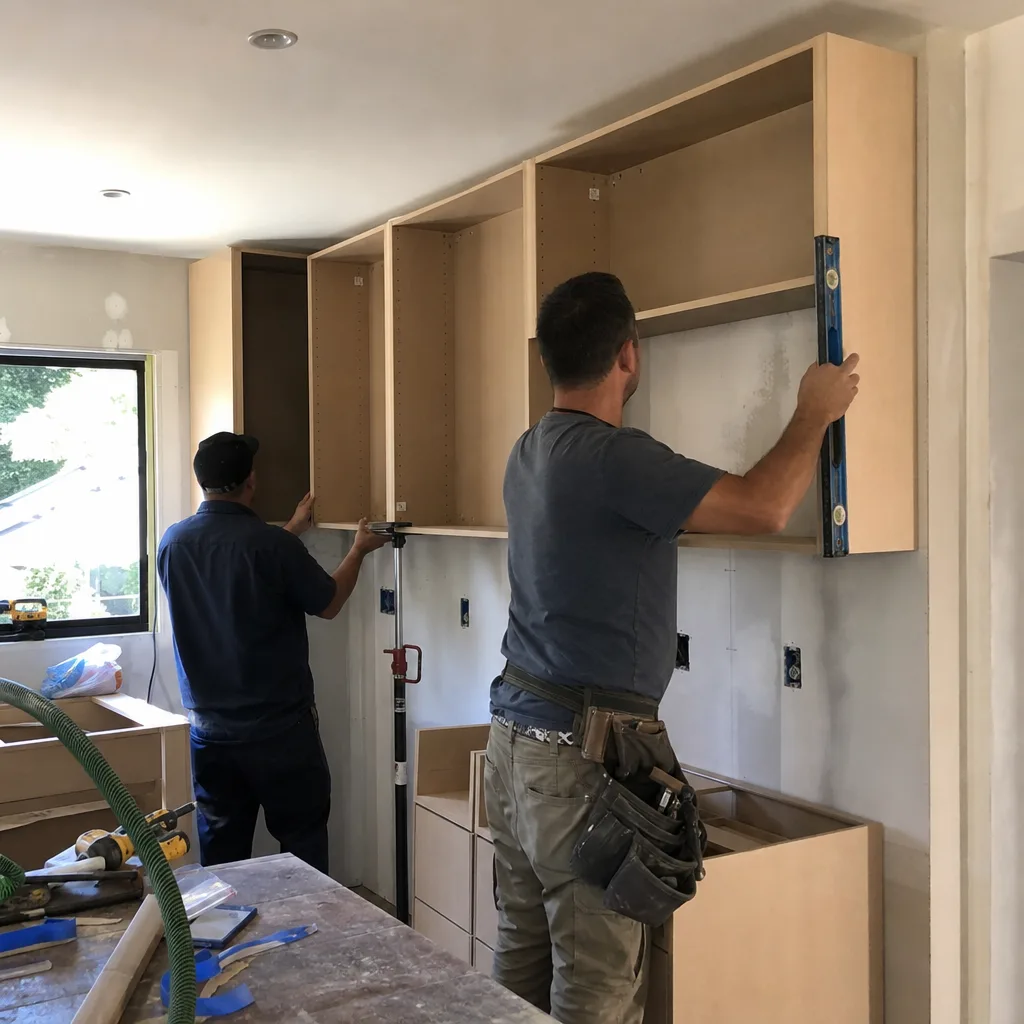
Practical boundaries: Owner-builder status works reasonably for small, discrete projects - a fence installation, a patio cover, a single-window replacement - where the homeowner can directly supervise, verify subcontractor licenses, and manage inspection scheduling. It becomes unwieldy for projects requiring multiple trades with interdependent schedules. A kitchen remodel in Walnut Creek involving electrical, plumbing, mechanical, and structural work requires four trade permits minimum, with inspection sequencing that a general contractor coordinates daily.
Under the Haven Standard, we do not accept owner-builder projects mid-stream. The documentation discipline - written scope, signed change orders, photo record - requires control from permit pull through final inspection. We’ve seen too many projects where owner-builder permitting was followed by unlicensed subcontractor work, failed inspections, and eventual contractor takeover at higher cost than original general contractor pricing.
For homeowners comparing approaches: a legitimate contractor quote includes permit costs, inspection scheduling, and documentation delivery. An owner-builder “savings” that omits these is not comparable; it’s incomplete.
Permit Costs and Realistic Timelines in Walnut Creek
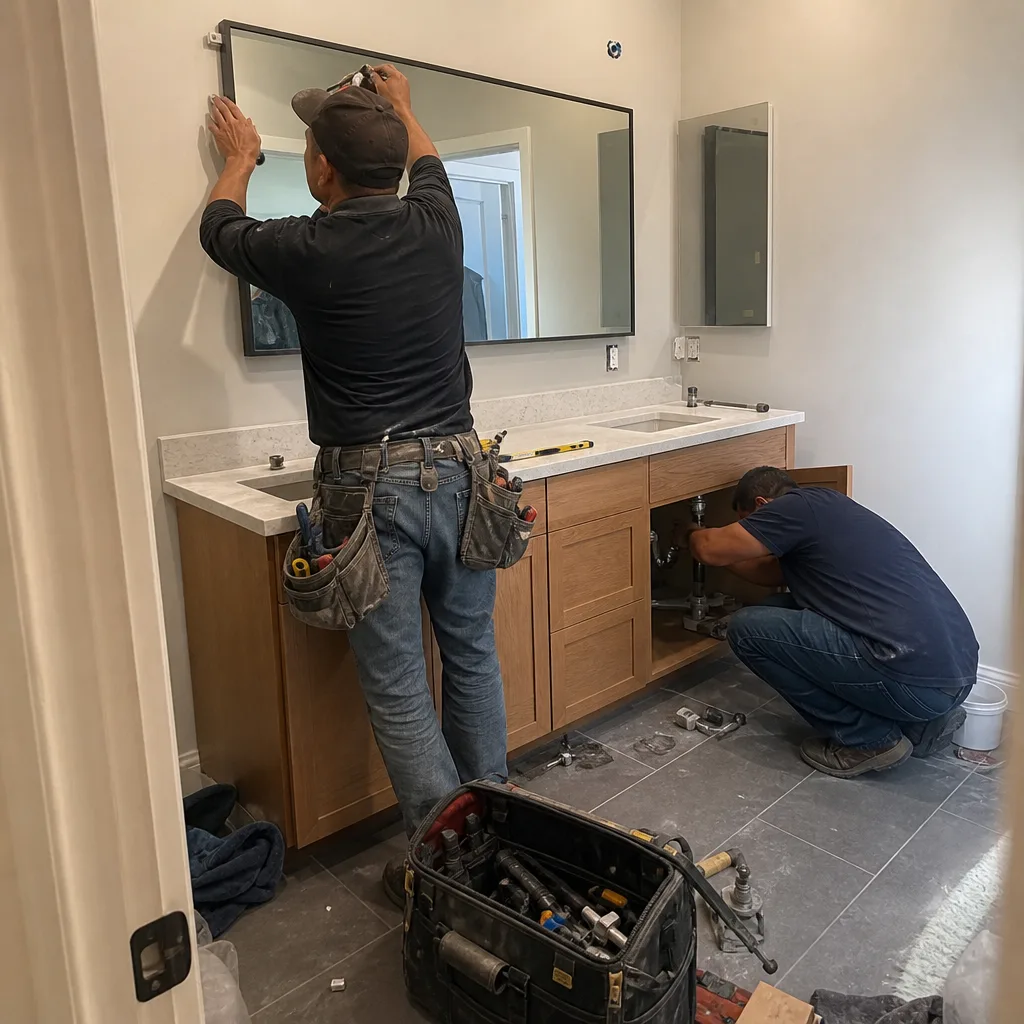
Permit costs in California combine state-mandated fees, local administrative fees, and project-specific charges for plan check, inspection, and impact mitigation. The following ranges reflect our experience across Contra Costa County and Walnut Creek city projects; actual fees should be verified at time of application.
| Project Type | Permit Path | Fee Range (Walnut Creek) | Timeline to Issuance |
|---|---|---|---|
| Water heater replacement | Over-the-counter | $120 - $200 | Same day |
| Reroof (tear-off, same profile) | Over-the-counter | $180 - $350 | Same day |
| Window replacement (up to 5 units) | Over-the-counter | $180 - $280 | Same day |
| Electrical panel upgrade | Over-the-counter | $200 - $400 | 1-3 days |
| Kitchen remodel (no structural) | Over-the-counter or plan check | $400 - $1,200 | Same day to 4 weeks |
| Bathroom remodel (with wall relocation) | Plan check | $800 - $2,000 | 6-10 weeks |
| Home addition (500-1,000 sq ft) | Plan check | $2,500 - $5,500 | 10-16 weeks |
| ADU (detached, 500-1,200 sq ft) | Plan check | $3,000 - $7,000 | 12-20 weeks |
| Whole-house remodel | Plan check | $3,500 - $8,000 | 12-24 weeks |
These ranges exclude third-party costs: structural engineering ($1,500-$4,000 for additions), Title 24 energy compliance ($400-$1,200), geotechnical reports for hillside sites ($2,000-$5,000 in Walnut Creek’s Rudgear Valley or Sugarloaf areas), and school fees or traffic impact fees that some jurisdictions assess on larger projects.
The timeline to issuance is not the timeline to construction start. Plan check approval must be followed by permit fee payment, contractor scheduling, and material procurement. In our practice, we typically schedule construction to begin two to four weeks after permit issuance, allowing buffer for the inevitable adjustment.
Walnut Creek’s city building division offers a pre-application conference for complex projects - a 30-minute meeting with plan check staff before formal submittal. The fee is $200, and in our experience it reduces first-review cycle comments by 40% or more. For additions over $200,000 or ADUs on challenging lots, we routinely recommend this step. The conference is not available for over-the-counter projects.
Contra Costa County’s consolidated permit center in Martinez processes unincorporated area permits. Drive time from Walnut Creek is 25-35 minutes; many homeowners delegate permit running to their contractor. Under the Haven Standard, we handle all permit submission, revision response, and inspection scheduling as part of the written scope - not as an add-on.
Common Mistakes to Avoid
- Assuming a project is “just a repair” and doesn’t need a permit. In Walnut Creek, water heater replacement, re-roofing, and even some fence installations trigger permit requirements. The threshold is work type, not project scale. Check before starting; the penalty for guessing wrong exceeds the permit cost.
- Submitting incomplete plans to “get in the queue.” Contra Costa County plan check will reject incomplete submittals without review, resetting your place in line. A proper submittal includes dimensioned floor plans, structural details, energy compliance forms, and site plan showing setbacks. We verify completeness before submission; the photo record from our site visit informs accurate dimensions.
- Ignoring reach code implications. Walnut Creek’s all-electric requirement for new ADUs has surprised multiple homeowners who assumed gas appliances were grandfathered. The reach code applies to permit application date, not project conception date. Verify current requirements before specifying equipment.
- Scheduling inspections out of sequence. Rough MEP cannot be inspected after drywall is installed. We’ve encountered homeowner-builder projects where drywall was closed prematurely, requiring removal for inspection access. The re-inspection fee is minor; the schedule delay is material.
- Failing to document existing conditions before construction. In permit disputes or neighbor complaints, photographic evidence of pre-construction conditions protects against claims of damage or encroachment. Our standard photo record begins at first site visit and continues through final walkthrough.
- Accepting a contractor quote without permit clarity. A quote that says “permits included” without specifying type, fee range, and timeline assumption is not a firm price. Under Clause 1 of the Haven Standard, our written quotes itemize permit costs separately, with the range based on current fee schedules and the timeline based on current plan check queues.
- Neglecting to pull a final inspection. The permit is not closed until final inspection passes and the certificate of completion or occupancy is issued. An open permit becomes a title issue at sale. We track permit status through final sign-off and provide documentation to the homeowner for their records.
When to Call a Professional
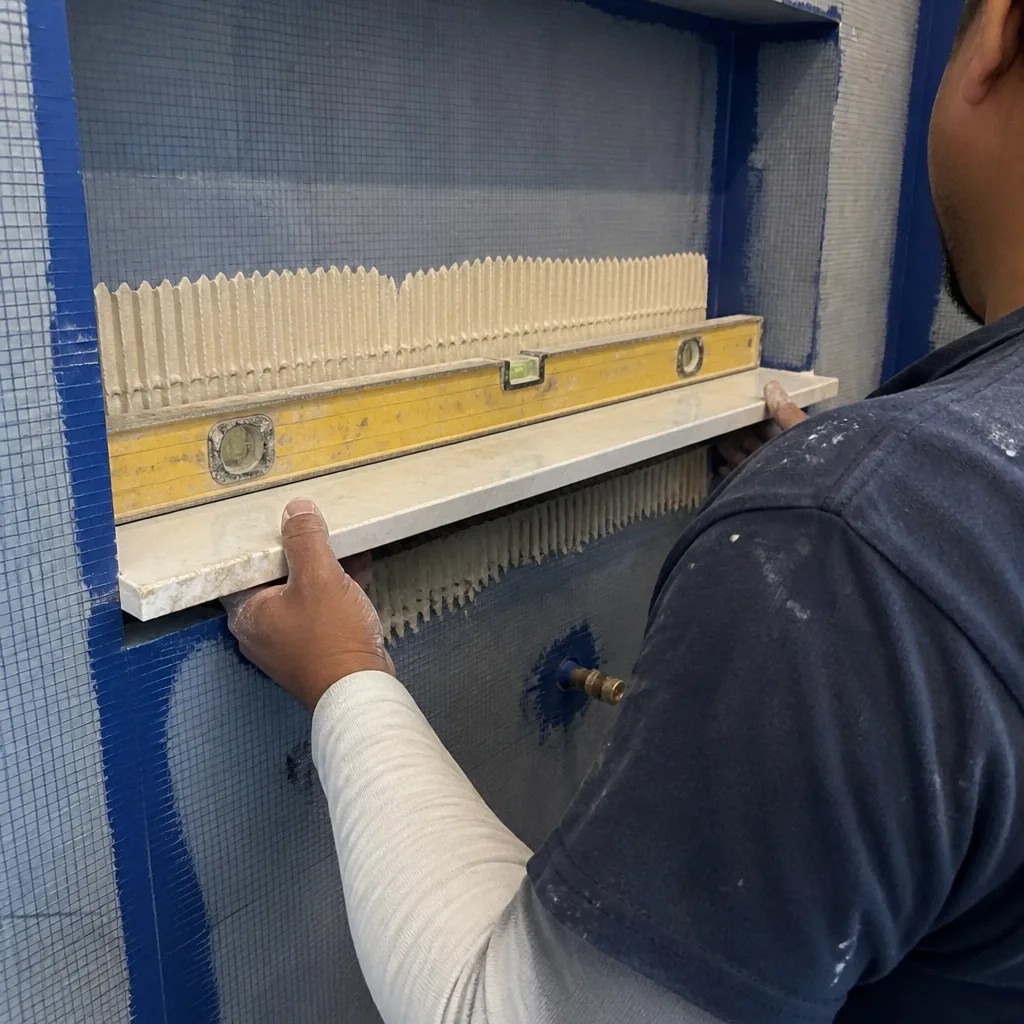
Pulling permits, navigating plan check, and managing inspection sequencing are manageable for small, single-trade projects with clear scope. They become complex quickly when multiple trades intersect, when structural or energy compliance is involved, or when the project timeline matters for financing, lease commencement, or sale closing.
Specific scenarios where professional permit management pays for itself: ADU projects (dual permitting with city and utility, reach code compliance, and interdependent trade scheduling); hillside construction in Walnut Creek’s steeper neighborhoods (geotechnical requirements, drainage compliance, and specialized inspection timing); any project with a hard deadline (sale, refinance, or lease commencement where permit delays cascade into financial exposure); and retroactive permitting, where the documentation burden and exposed inspection requirements exceed most homeowners’ capacity.
Rowan Construction Group Walnut Creek offers free estimates in Walnut Creek - call (510) 686-6370. Every estimate includes permit path identification, fee range, and timeline assumption based on current Contra Costa County and City of Walnut Creek queues. The written price arrives before any work starts, always.
Frequently Asked Questions
Permit costs in Walnut Creek range from approximately $120 for a simple over-the-counter water heater replacement to $7,000 or more for a detached ADU requiring full plan check, engineering review, and multiple inspections. The fee depends on project valuation, permit type, and whether the property is in the city limits or unincorporated Contra Costa County. Call (510) 686-6370 for a line-item permit cost estimate with your project scope - estimates are free.
Yes, California allows owner-builder permitting for single-family residential projects, but you must file an Owner-Builder Declaration with the Contractors State License Board and assume all contractor responsibilities including worker safety, subcontractor licensing verification, and insurance compliance. The option works for small, single-trade projects but becomes burdensome for multi-trade work with inspection sequencing requirements. For projects involving structural, electrical, plumbing, and mechanical work, a licensed contractor’s permit management typically saves both time and exposure.
Contra Costa County can issue a stop-work order, assess penalties of 200% to 300% of the original permit fee, and require permit legalization with exposed inspection of concealed work. If the work is discovered during a property sale, the seller must disclose, and the buyer can negotiate price reduction, require legalization as a sale condition, or walk from the transaction. In Walnut Creek’s current market, unpermitted square footage routinely triggers $50,000 to $150,000 sale price adjustments.
Plan check for residential additions and ADUs in Walnut Creek currently runs eight to twelve weeks for the first review cycle, with two to four weeks for each resubmittal. Over-the-counter permits are issued same day. Pre-application conferences ($200) reduce first-cycle review comments by approximately 40% and are recommended for projects over $200,000. Call (510) 686-6370 to discuss whether your project would benefit from pre-application consultation.
Yes, Title 24 Part 6 applies to all permitted construction in California, including alterations. For kitchen and bathroom remodels, compliance typically involves the prescriptive path: meeting insulation, window, and HVAC efficiency requirements for the altered area, plus lighting efficacy if more than ten fixtures are changed. Walnut Creek’s reach code adds requirements for all-electric equipment in new ADUs and enhanced envelope standards for larger additions. The compliance path affects equipment specification and project cost.
Permit fees are fixed at issuance based on declared project valuation. They do not change unless the scope changes and a permit revision is required. At Rowan Construction Group, our written quotes itemize permit costs as a fixed line item. If scope changes trigger permit revision, the change order process - signed before any additional work proceeds - captures the revised permit fee. This discipline, part of the Haven Standard since 2007, is why our projects finish within a few percent of the agreed price.
We pull permits as part of our standard scope for all projects we construct. This includes application preparation, plan check response, inspection scheduling, and final sign-off. The homeowner receives copies of all permits, inspection records, and the certificate of completion for their files. Permit management is not an add-on; it’s part of the documented process that produces the photo record and the finished project within the written price.
The Bottom Line
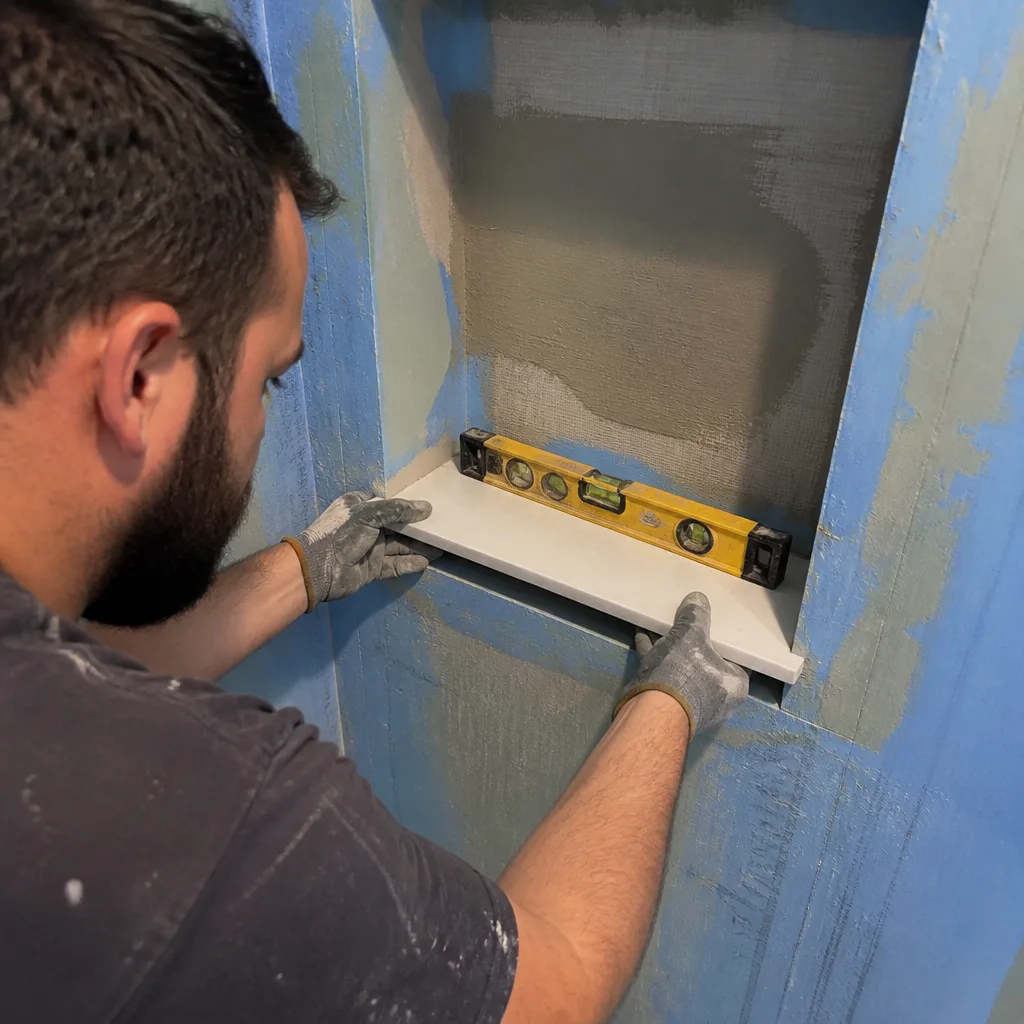
California’s building code provides the framework, but your project’s permit path, cost, and timeline are determined locally - by whether Walnut Creek or Contra Costa County processes your application, whether your work qualifies for over-the-counter issuance or plan check review, and whether your jurisdiction has adopted reach codes beyond state minimums. Understanding these layers before construction starts prevents the delays, penalties, and cost overruns that turn promising projects into disputes. The permit is not an obstacle; it’s the documentation that protects your investment, your safety, and your ability to sell. Get the permit path right in planning, and the construction follows.
Written by Grant Rowan, Owner at Rowan Construction Group Walnut Creek, serving Walnut Creek since 2007.