
Last updated September 24, 2026
Free written scope consultation - allowances, timeline, and change-order rules on paper before a single trade is scheduled

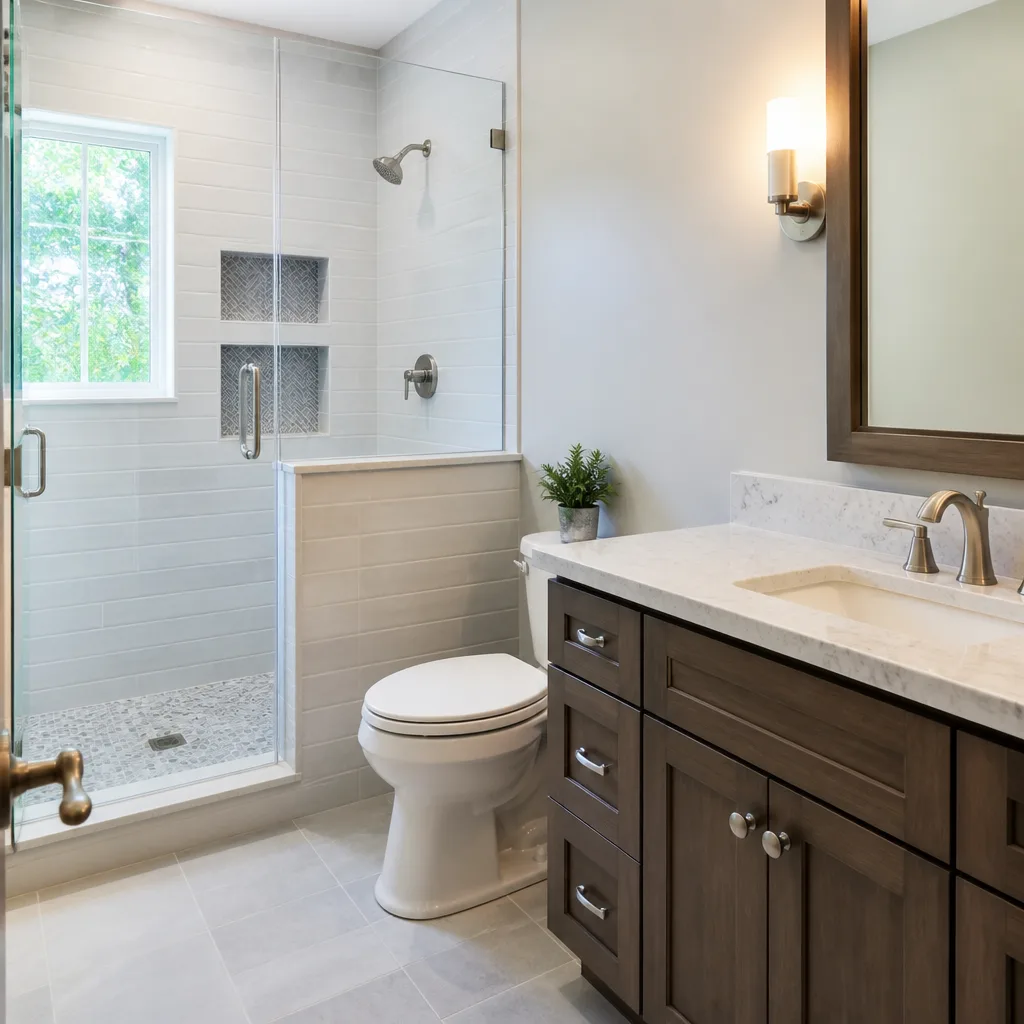
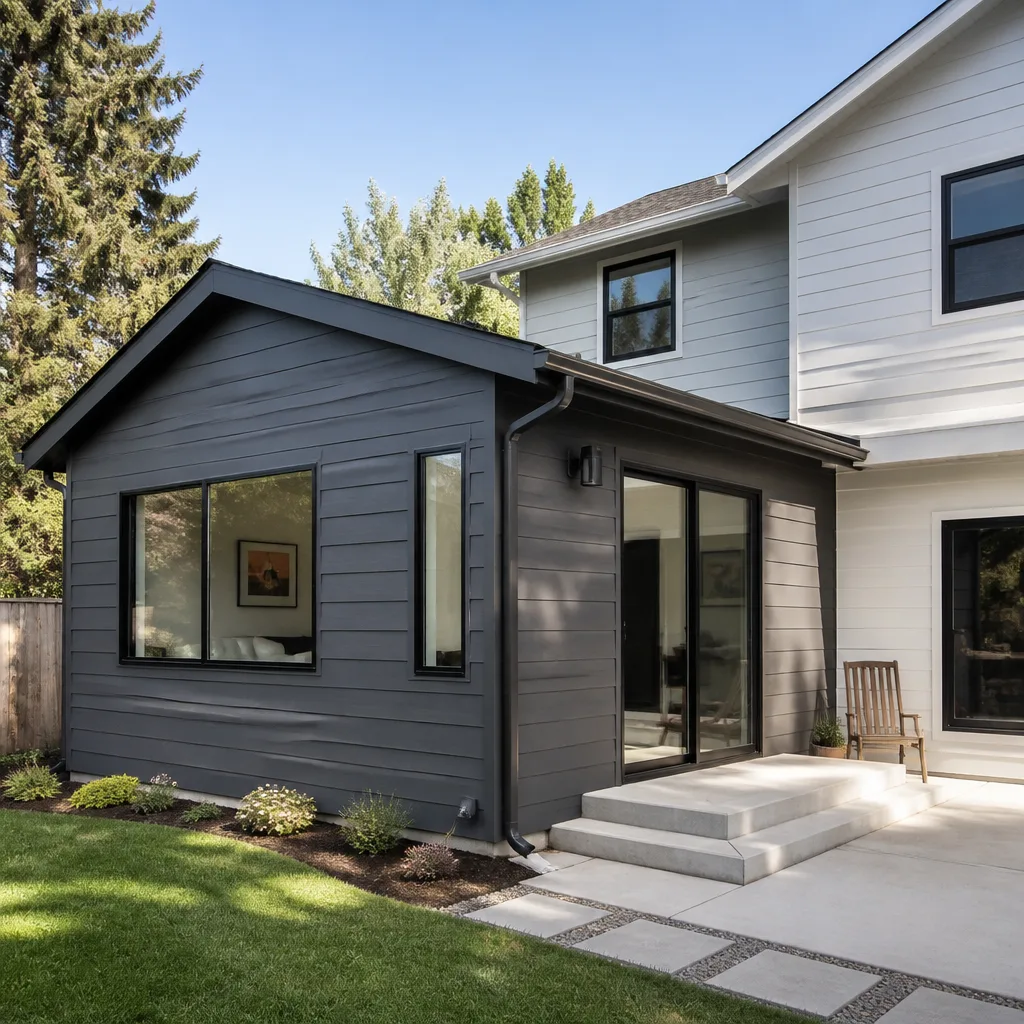
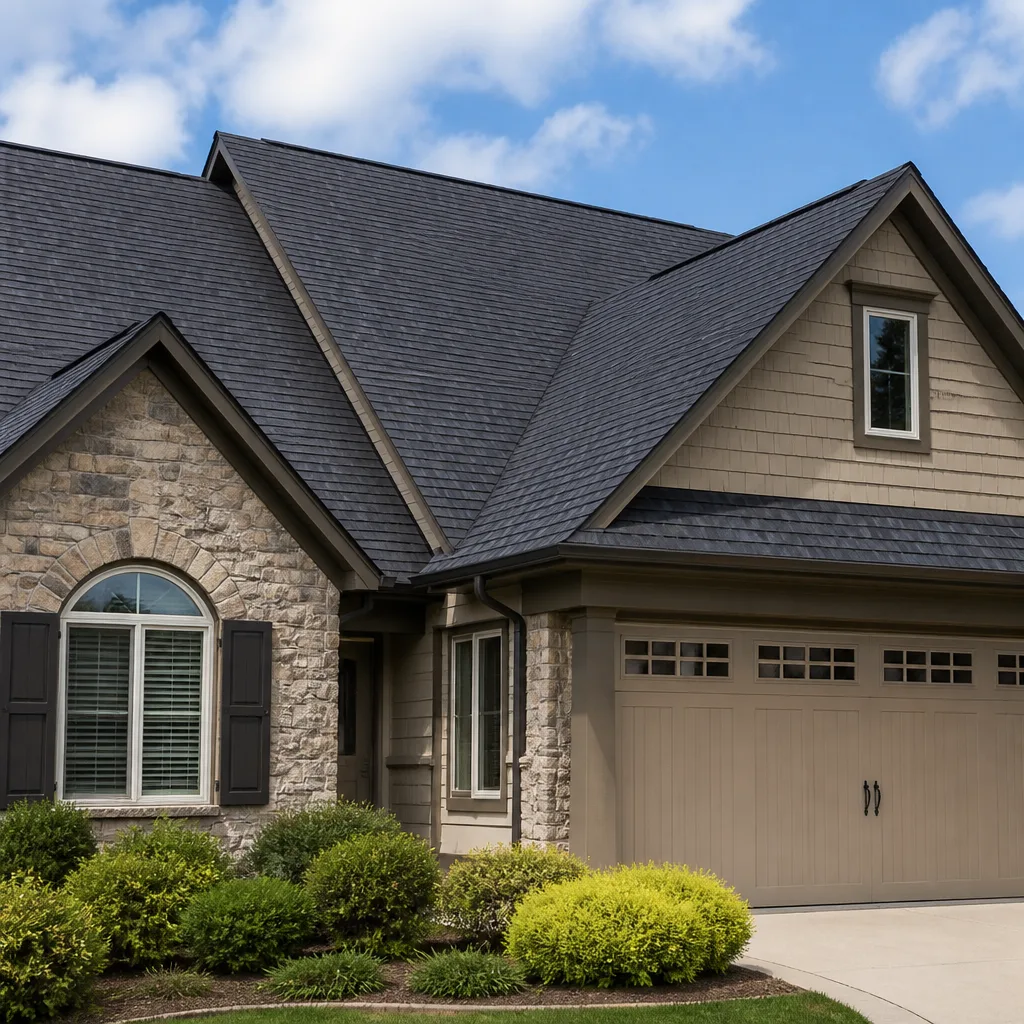
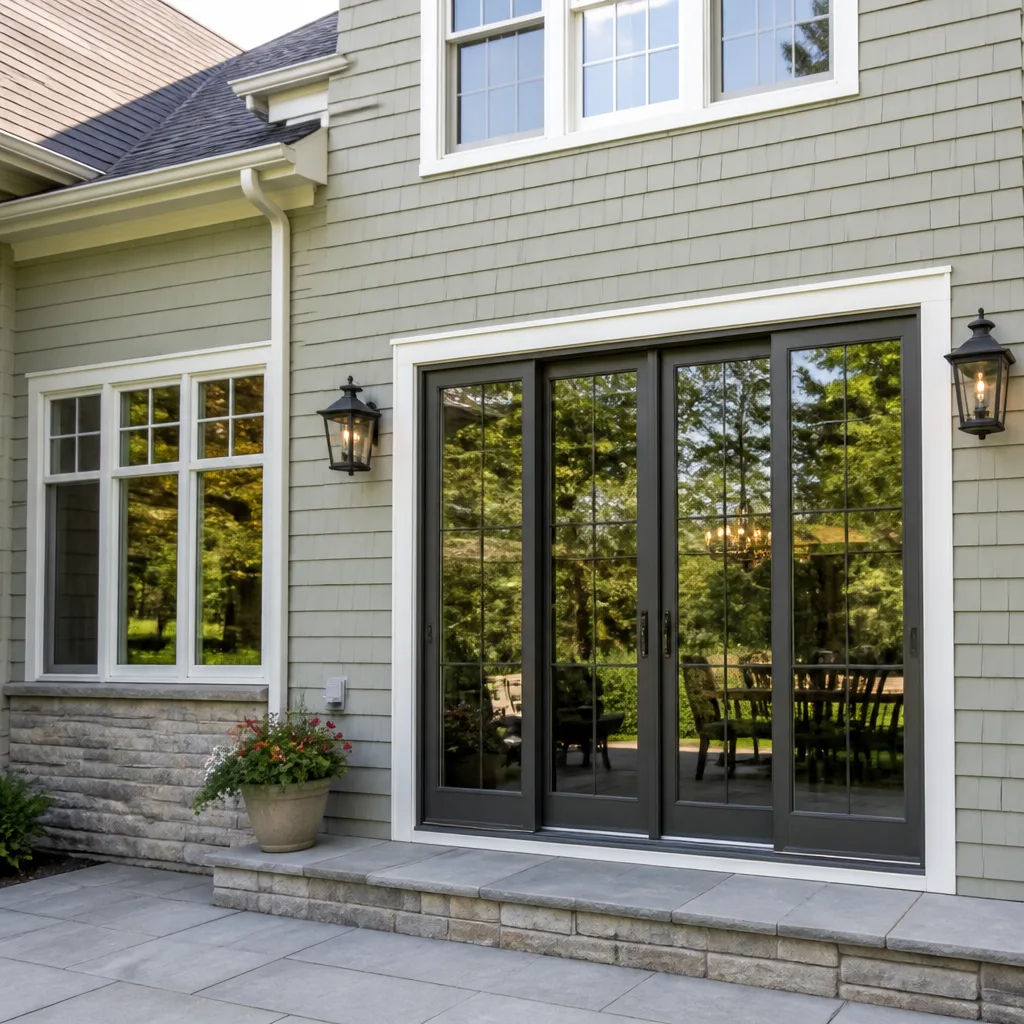
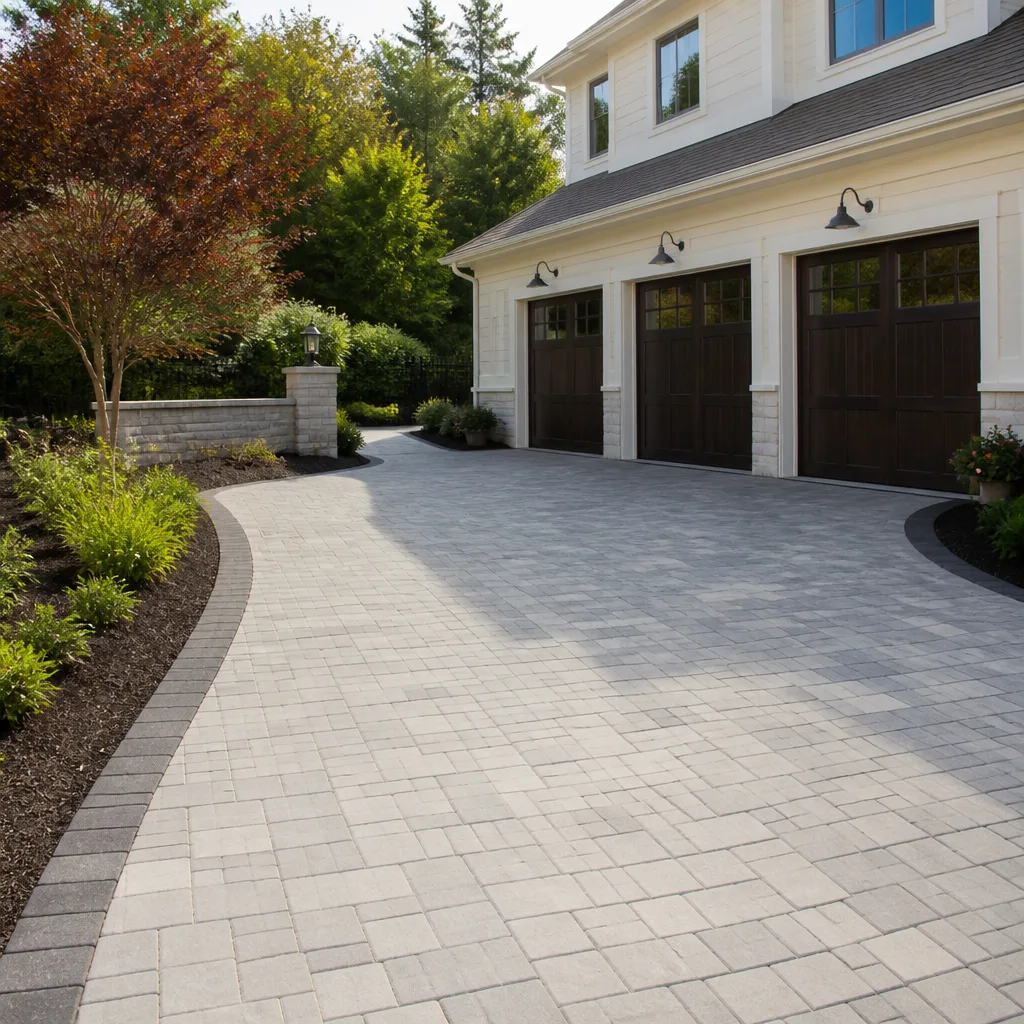
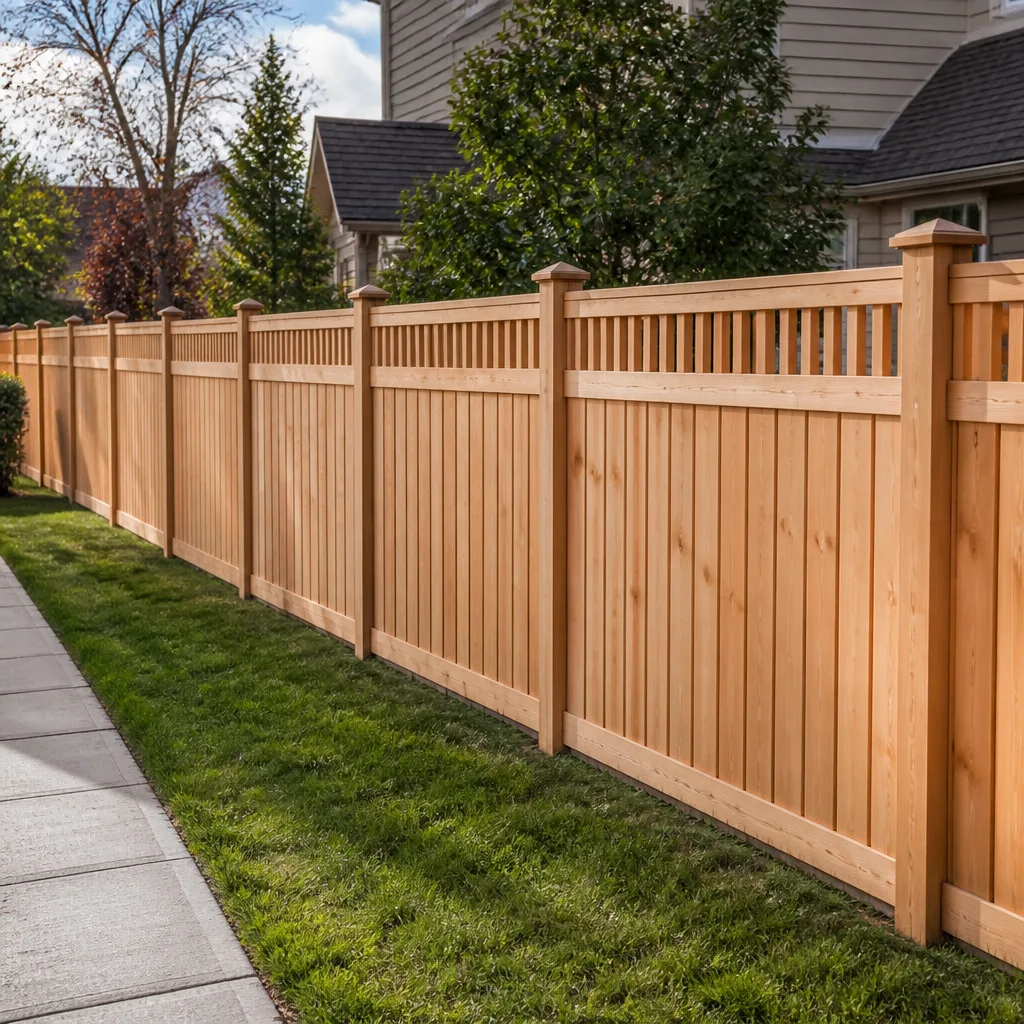
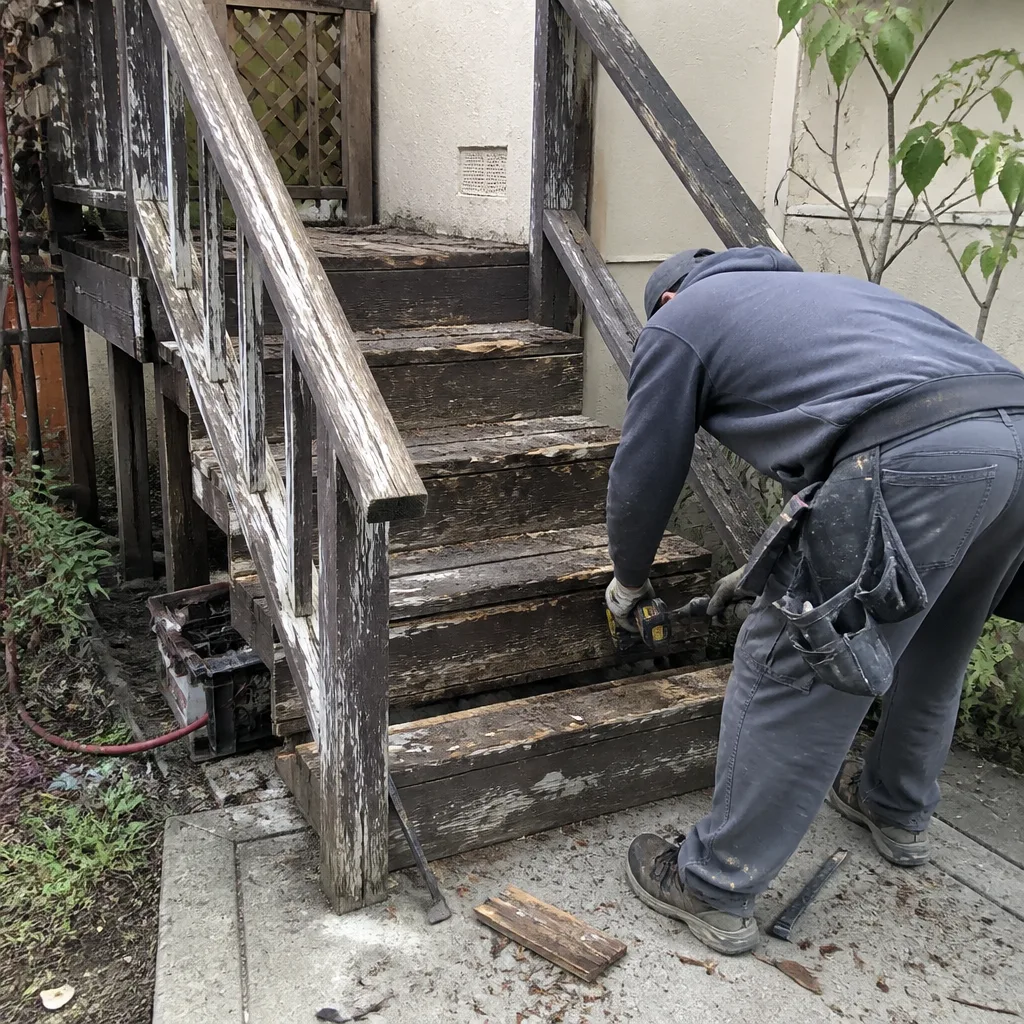 Before
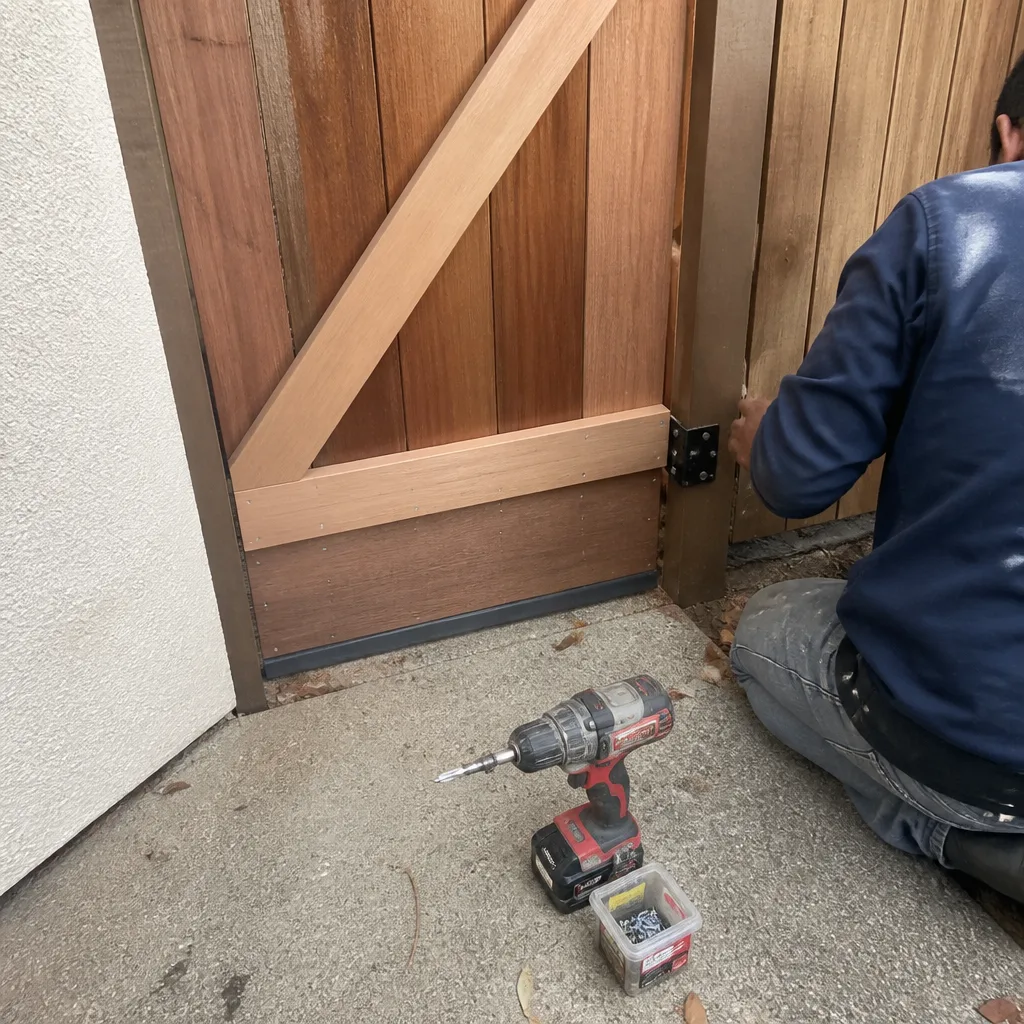 After
After Before
 After
After Before
 After
AfterDIY vs Professional Construction: The Walnut Creek Homeowner’s Decision Guide
A Walnut Creek homeowner who installs their own recessed lighting without a permit saves roughly $800 in electrician labor and creates a disclosure obligation on resale, a potential insurance coverage gap for electrical fires, and a correction cost of $1,200-$2,500 if the next buyer’s inspector flags it. The math only works if they never sell. In this guide, we’ll show you how California’s owner-builder laws, Contra Costa County’s permit requirements, and Walnut Creek’s active real estate market change the DIY calculation from what you’ll see on YouTube. You’ll learn which projects are genuinely worth doing yourself, which ones expose you to liability you probably haven’t considered, and how to read a professional bid so you know what you’re actually comparing.
Quick Answer
Most Walnut Creek homeowners should hire a licensed contractor for any project requiring a permit, touching structural elements, or involving electrical, plumbing, or mechanical systems. DIY makes financial sense primarily for cosmetic finish work, minor repairs, and simple replacements where no permit is required and no insurance claim could result from failure. The break-even point shifts dramatically in California because unpermitted work must be disclosed on the Transfer Disclosure Statement at sale, and most homeowner’s policies contain exclusions for uninspected work.
Table of Contents
- California’s Legal Framework: What You Can and Cannot Do Yourself
- How Unpermitted Work Affects Your Homeowner’s Insurance
- The Real Cost of DIY: Five Common Projects Broken Down
- Walnut Creek’s Transfer Disclosure Statement and Resale Liability
- A Decision Framework by Project Type
- Navigating Contra Costa County Permits: DIY vs Professional
- How to Read a Contractor Bid Like an Auditor
- Common Mistakes to Avoid
- When to Call a Professional
- Frequently Asked Questions
 Before
 After
AfterCalifornia’s Legal Framework: What You Can and Cannot Do Yourself
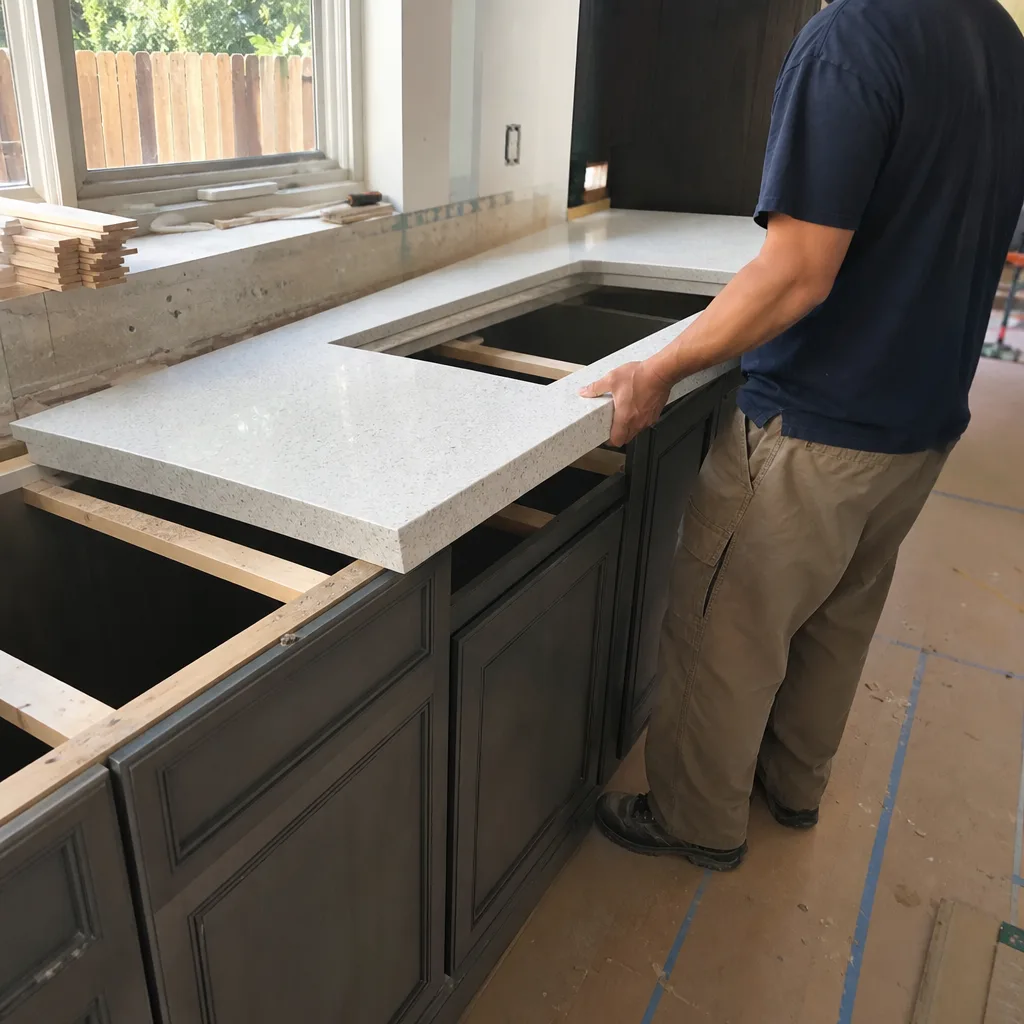
California allows homeowners to act as their own contractor under the owner-builder exemption, but the rules are narrower than most people realize. You can pull an owner-builder permit for work on your own single-family residence if you live there or intend to live there. You cannot use the exemption for speculative work, rental properties, or properties you plan to sell within 12 months without occupying them first.
Here’s what the exemption actually covers and where it ends:
- Permitted work you can perform yourself: Cosmetic alterations, finish carpentry, painting, flooring installation, and minor repairs that don’t alter structural, electrical, plumbing, or mechanical systems. You can also act as your own general contractor and hire subcontractors for trade work, but you assume all the liability a licensed contractor would carry.
- Work requiring a licensed contractor regardless of your preference: Any project where the total cost, including materials and labor, exceeds $500 and involves structural, electrical, plumbing, or HVAC work. The $500 threshold is cumulative across the entire project, not per-trade. A kitchen remodel with $300 in electrical and $400 in plumbing triggers the requirement even if you do the demolition yourself.
- The liability you assume as owner-builder: Workers’ compensation obligations for anyone you hire, including day laborers. If an unlicensed worker gets injured on your property, you become the statutory employer. We’ve reviewed cases in Contra Costa County where homeowners faced six-figure claims from uninsured workers.
The California Contractors State License Board (CSLB) actively investigates owner-builder projects that appear to be speculative or involve unlicensed contracting. In 2023, the CSLB conducted sting operations in the Bay Area that resulted in citations for homeowners who hired unlicensed workers and for workers who advertised services without proper licensing.
For Walnut Creek specifically, the city enforces the California Building Code with local amendments related to hillside construction, fire-resistant materials in the wildland-urban interface zones near Lime Ridge and Shell Ridge, and seismic bracing requirements that exceed state minimums. An owner-builder who doesn’t account for these local amendments can pass initial inspection but fail final, requiring costly rework.
How Unpermitted Work Affects Your Homeowner’s Insurance
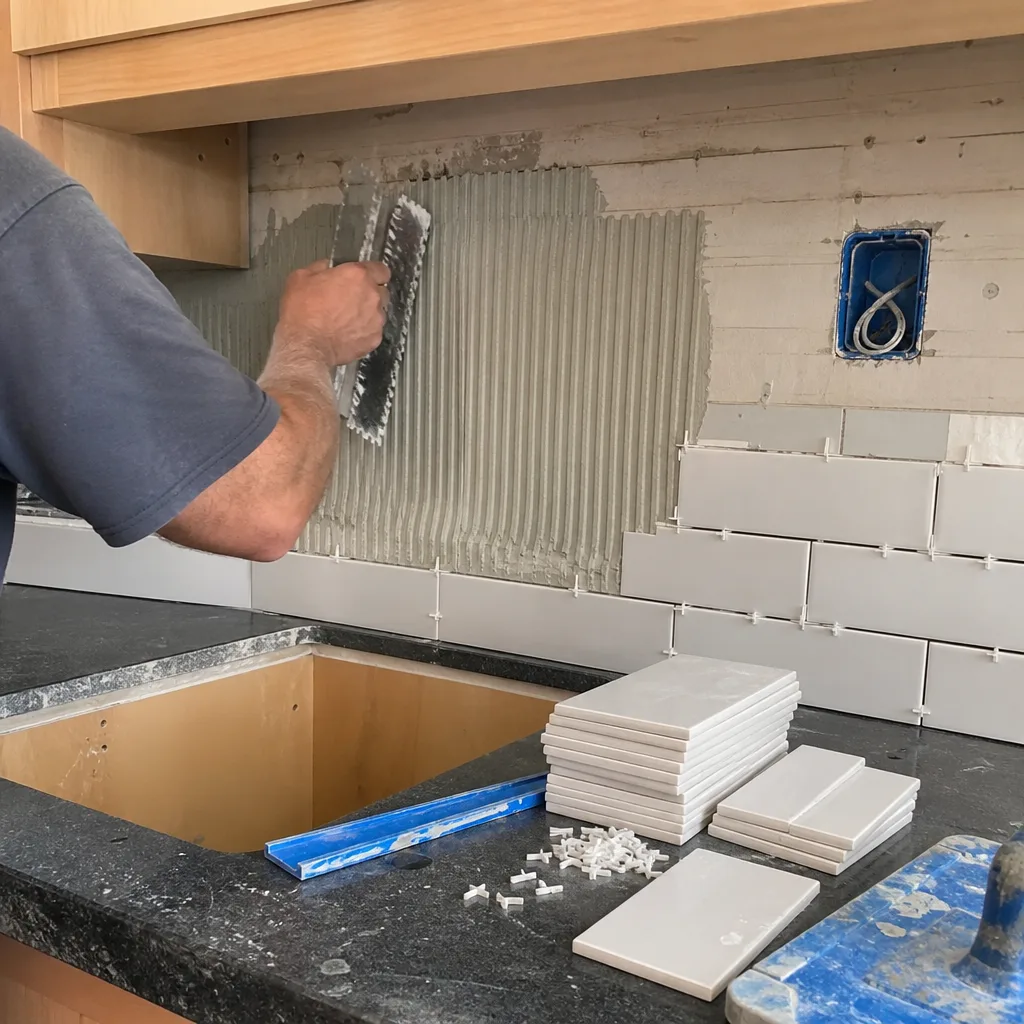
This is the point most DIY guides omit entirely. Your homeowner’s policy contains specific language about unpermitted or uninspected work, and insurers have become more aggressive about invoking it since California’s wildfire losses intensified.
Most standard HO-3 policies include variations of this exclusion: “We do not cover loss caused by faulty, inadequate, or defective design, materials, or workmanship.” The critical question is whether final inspection sign-off creates a rebuttable presumption that the work was not defective. In practice, insurers treat permitted and inspected work as meeting the standard of care, while unpermitted work shifts the burden to the homeowner to prove the work was not defective.
Consider these specific scenarios:
- Electrical fire from owner-installed recessed lighting: If the work was permitted and passed inspection, the insurer typically pays the claim and may subrogate against the electrician if fault is proven. If unpermitted, the insurer may deny the claim entirely, arguing the homeowner assumed the risk by bypassing inspection. We’ve seen this denial upheld in California appellate decisions where the homeowner could not produce inspection records.
- Water damage from a DIY bathroom fixture swap: A slow leak from improperly seated supply lines causes $45,000 in damage over six months. The insurer investigates, discovers the fixture was installed without a plumbing permit (required in Walnut Creek for any valve replacement), and reduces the claim by 40% citing the homeowner’s failure to maintain the property properly.
- Deck collapse during a gathering: An owner-built deck that never received structural inspection fails under load. Injuries to guests trigger both property and liability claims. The insurer denies liability coverage entirely, citing the business pursuits exclusion if the homeowner ever accepted payment for use of the space, or the expected or intended injury exclusion if the structural deficiency was known.
The financial calculus changes when you value insurance continuity at anything above zero. A denied claim stays on your CLUE report for seven years, affecting premiums and insurability regardless of whether you were at fault. In Walnut Creek’s hillside neighborhoods, where fire and earthquake coverage is already expensive and sometimes placed through the FAIR Plan, any additional underwriting complication can be costly.
The Real Cost of DIY: Five Common Projects Broken Down
We priced these projects in the Walnut Creek market during spring 2024, using retail material costs from local suppliers and valuing homeowner time at $35 per hour, which is conservative for this area’s household income levels. Professional bids reflect what we see from licensed contractors in Contra Costa County, including permit fees where required.
Project 1: Bathroom Floor Tile (80 square feet)
| Cost Component | DIY | Professional |
|---|---|---|
| Materials (tile, thinset, grout, backer board) | $680-$920 | $680-$920 (same) |
| Tools (wet saw, trowels, mixer, level) | $340-$580 | $0 (owned) |
| Time (2 weekends at 16 hours) | $1,120 | $0 |
| Labor | $0 | $1,800-$2,400 |
| Permit | $0 (not required for floor only) | $0 |
| Total | $2,140-$2,620 | $2,480-$3,320 |
DIY savings: $340-$700, assuming no mistakes. A lippage error requiring tear-out adds $800-$1,200. The break-even is narrow and depends heavily on tool ownership.
Project 2: Cedar Fence Replacement (40 linear feet, 6 feet high)
| Cost Component | DIY | Professional |
|---|---|---|
| Materials (cedar pickets, posts, concrete, fasteners) | $1,100-$1,400 | $1,100-$1,400 (same) |
| Tools (auger, post level, nail gun, compressor) | $420-$680 | $0 |
| Time (3 weekends at 24 hours) | $1,680 | $0 |
| Labor | $0 | $2,200-$2,800 |
| Permit | $0 (under height limit in most zones) | $0 |
| Total | $3,200-$3,760 | $3,300-$4,200 |
DIY savings: $100-$440, with significant physical labor and no warranty on post alignment. In Walnut Creek’s clay-heavy soils near Treat Boulevard and Geary Road, post depth and drainage are critical; we’ve replaced DIY fences at 4 years where professional installations last 15.
Project 3: Deck Addition (12′ x 14′, attached, single level)
| Cost Component | DIY | Professional |
|---|---|---|
| Materials (pressure-treated lumber, hardware, concrete) | $3,800-$4,600 | $3,800-$4,600 (same) |
| Tools (circular saw, drill, impact driver, laser level) | $580-$920 | $0 |
| Time (6 weekends at 48 hours) | $3,360 | $0 |
| Labor | $0 | $6,500-$8,500 |
| Permit and inspection | $850-$1,200 | $850-$1,200 (same) |
| Total | $8,590-$10,080 | $11,150-$14,300 |
DIY savings: $2,560-$4,220. However, this project requires a permit either way, and the structural connection to the house, footing depth for Walnut Creek’s expansive soils, and guardrail height compliance are common failure points at inspection. A failed inspection adds 2-4 weeks and $400-$800 in rework.
Project 4: Bathroom Fixture Swap (toilet, vanity, faucet)
| Cost Component | DIY | Professional |
|---|---|---|
| Materials (fixtures, supply lines, sealant) | $680-$1,200 | $680-$1,200 (same) |
| Tools (basin wrench, adjustable pliers, putty knife) | $85-$140 | $0 |
| Time (1 weekend at 8 hours) | $560 | $0 |
| Labor | $0 | $800-$1,200 |
| Permit | $0 (required in Walnut Creek, rarely pulled by DIYers) | $180-$250 |
| Total | $1,325-$1,900 | $1,660-$2,650 |
DIY savings: $335-$750, but with the insurance exposure described above and no recourse if the toilet flange was cracked before installation and leaks six months later. A professional Bathroom Remodeling in Walnut Creek contractor carries liability coverage for exactly this scenario.
Project 5: Drywall Repair (water damage, 4′ x 8′ area, ceiling)
| Cost Component | DIY | Professional |
|---|---|---|
| Materials (drywall, mud, tape, primer, paint) | $120-$180 | $120-$180 (same) |
| Tools (drywall lift, mud pan, taping knives, sander) | $280-$420 | $0 |
| Time (2 weekends at 12 hours, including drying) | $840 | $0 |
| Labor | $0 | $650-$950 |
| Permit | $0 (repair, no structural change) | $0 |
| Total | $1,240-$1,440 | $770-$1,130 |
DIY costs more in this case. Ceiling work requires a drywall lift or second person; the finish quality difference is visible; and professionals complete it in one day because they own the tools and have the technique. This is the project category where DIY makes the least sense.
Walnut Creek’s Transfer Disclosure Statement and Resale Liability
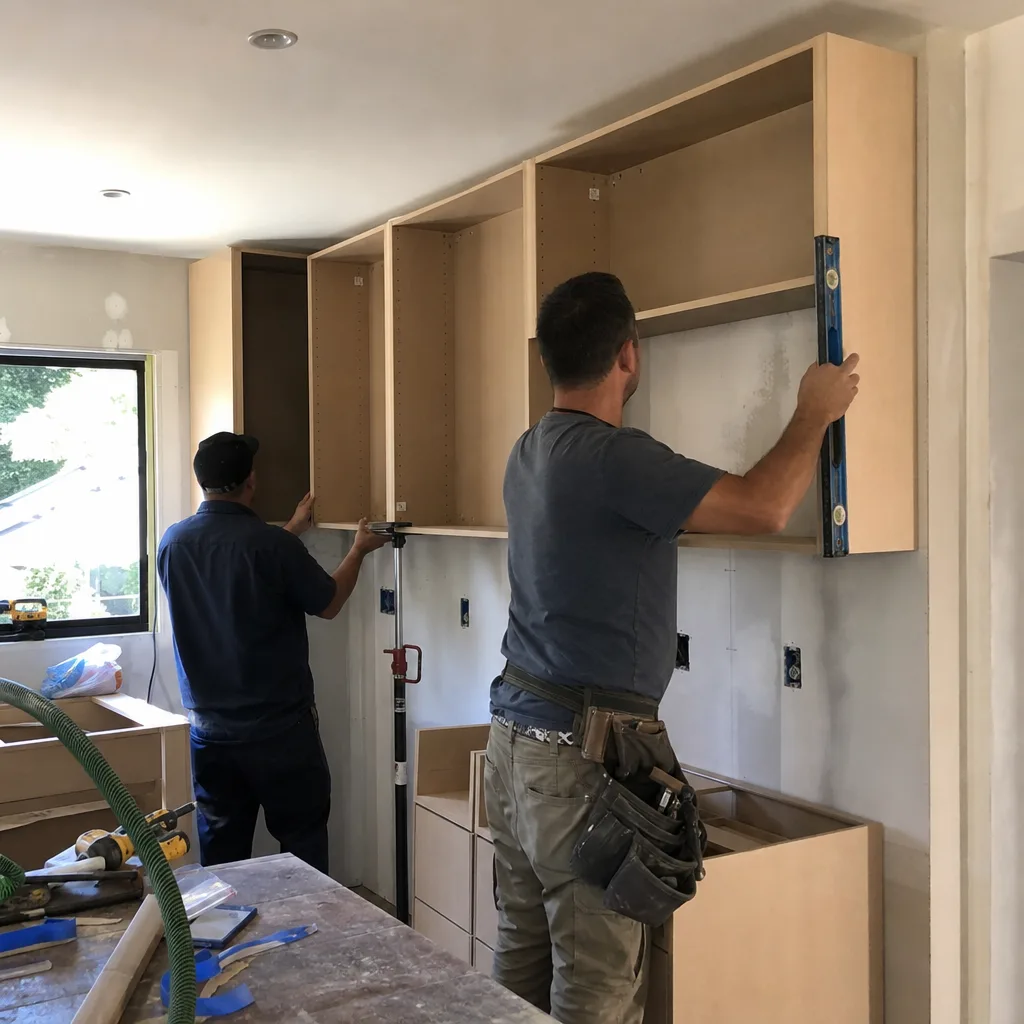
California’s Transfer Disclosure Statement, required on nearly all residential sales, includes this specific question in Section C: “Are you aware of any room additions, structural modifications, or other alterations or repairs made without required permits?” Answering “no” when you know of unpermitted work is fraud. Answering “yes” triggers negotiation.
In Walnut Creek’s market, where median home prices exceeded $1.2 million in 2024 and buyers routinely waive some contingencies to compete, the disclosure of unpermitted work still matters because:
- Buyer’s inspector finds it: Even in a waived-contingency offer, the discovery of unpermitted electrical or structural work before close typically reopens negotiation. We’ve seen sellers credit $5,000-$15,000 for unpermitted bathroom work that would have cost $800 to permit originally.
- Post-close discovery: If the buyer can prove the seller knew of unpermitted work and failed to disclose, they have three years to file suit for rescission or damages. The statute runs from discovery, not from sale. In a market where homeowners sell every 7-10 years, this liability persists.
- Title and escrow complications: Some title insurers flag unpermitted additions in their preliminary reports, requiring a permit search or seller indemnification. This delays closing and can cost the seller a better offer if the buyer walks.
The specific neighborhoods where this matters most in Walnut Creek are the older hillside homes in Parkmead and the original ranch-style developments near Treat Boulevard, where additions from the 1970s-1990s often lack documentation and where current owners may not know the history of work done before their purchase. A permit history search through Contra Costa County’s online records, which go back inconsistently to the 1980s, is standard practice for buyers in these areas.
The correction cost for unpermitted work discovered at sale typically runs 1.5-2.5x the original permit cost because it requires as-built plans, structural verification, and sometimes destructive inspection to prove compliance. That $800 saved on electrician labor becomes a $3,000-$5,000 closing credit or pre-sale correction.
A Decision Framework by Project Type
We organize projects into four categories based on our experience across 4,000-plus jobs. This framework assumes you’re a competent homeowner with standard tools and some experience, not a complete novice.
Category 1: Structural (Never DIY)
Load-bearing wall removal, foundation repair, seismic retrofitting, second-story additions, and any work affecting the lateral force-resisting system. The consequences of error are catastrophic, the inspection requirements are extensive, and your homeowner’s policy will not cover self-inflicted structural failure. In Walnut Creek, seismic requirements are particularly stringent; the 2019 California Building Code adoption included enhanced cripple wall bracing standards that most homeowners cannot self-verify.
Category 2: Cosmetic Finish (Often Viable)
Interior painting, cabinet hardware replacement, backsplash tile in a dry location, floating floor installation, and trim carpentry that doesn’t alter structure. These projects fail gracefully, require no permits, and create no insurance exposure. The key constraint is your own quality tolerance and the value of your time. A professional painter in Walnut Creek produces a finish in 2 days that might take you 2 weekends; whether that trade is worth it depends on your schedule and skill level.
Category 3: Mechanical, Electrical, and Plumbing (Jurisdiction-Dependent)
This is where most homeowners get into trouble. Walnut Creek requires permits for:
- Any electrical work beyond like-for-like device replacement (new outlet, new circuit, recessed lighting)
- Any plumbing work beyond like-for-like fixture replacement on existing valves (moving a toilet, adding a shower valve)
- HVAC modifications, including ductwork changes and thermostat relocation to smart systems that require C-wire installation
The owner-builder exemption technically allows you to pull these permits, but the trade exams and inspection sequences are designed for licensed practitioners. We’ve reviewed failed inspections where the homeowner misunderstood grounding requirements, venting slopes, or combustion air provisions. Each failed inspection costs time and often requires a licensed professional to correct, erasing any savings.
Category 4: Permits-Required-Either-Way (Professional Coordination Saves More Than Labor)
Kitchen remodels, bathroom remodels, room additions, and ADUs fall here. The permit process is extensive, the trade coordination is complex, and the inspection sequence matters. A professional general contractor’s value is not primarily in swinging the hammer, it’s in sequencing the rough electrical before insulation, the insulation before drywall, and the final plumbing before the finish electrical, so inspections pass the first time. In our Kitchen Remodeling in Walnut Creek work, a typical project involves 6-10 inspection touchpoints; a missed sequence can add 2-4 weeks to the schedule.
For ADUs specifically, Walnut Creek adopted state-mandated streamlined approval but maintains local design standards for setbacks, height, and parking that interact with the California Building Code in ways we’ve seen owner-builders misunderstand. The $15,000-$25,000 in general contractor fees for an ADU is largely project management and code compliance, not labor markup.
Navigating Contra Costa County Permits: DIY vs Professional
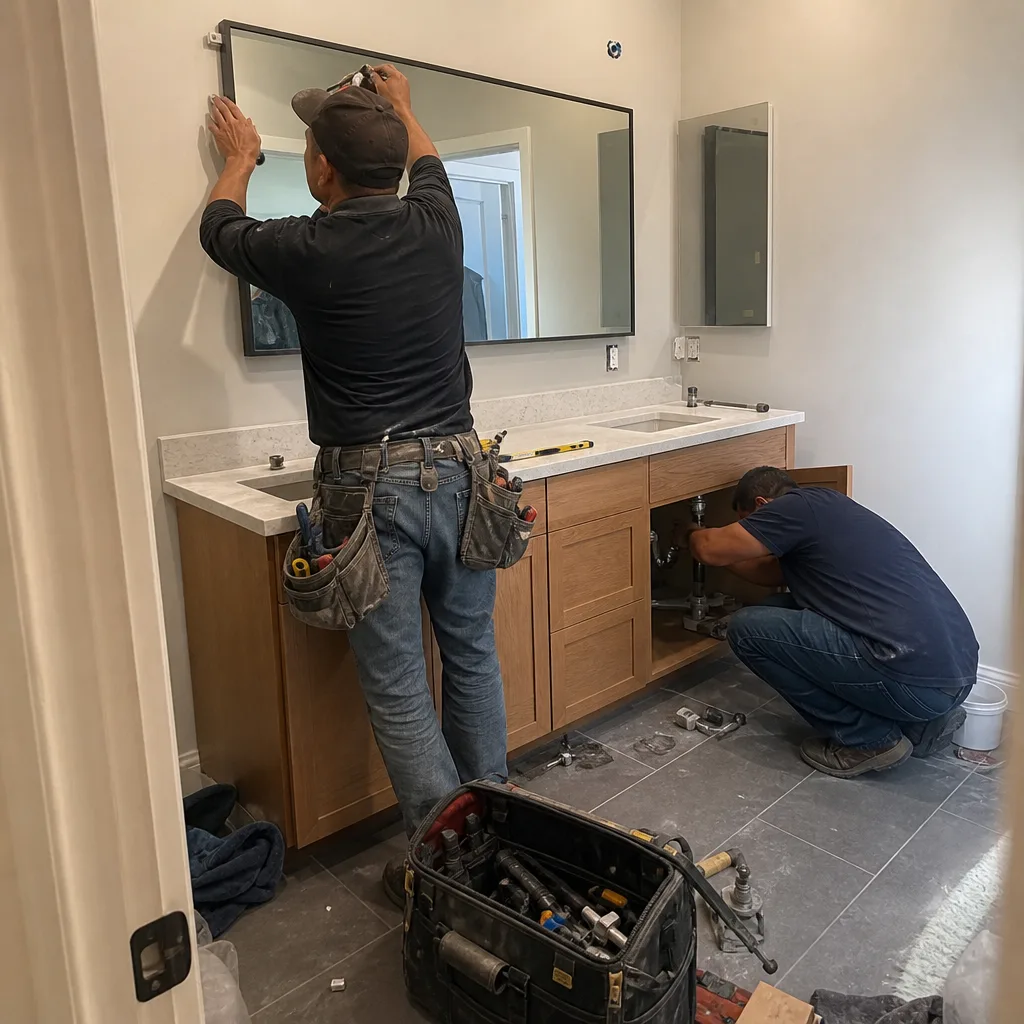
Contra Costa County Building Division serves unincorporated areas, but Walnut Creek maintains its own Building Division at 1666 North Main Street. The city uses the online Accela platform for permit applications, but many projects still require in-person plan submission and inspection scheduling.
Here’s how the process differs by path:
| Step | DIY Owner-Builder | Licensed Contractor |
|---|---|---|
| Plan preparation | Homeowner draws; may need engineer stamp for structural | Contractor prepares or engages drafter; engineer relationships established |
| Application submission | Homeowner submits; learns Accela system; may require multiple visits | Submitter knows inspectors by name; common errors avoided |
| Plan check timeline | Standard queue, 4-6 weeks for residential | Same queue, but completeness reduces cycles |
| Inspection scheduling | Homeowner calls; limited windows; must be present | Contractor coordinates; often has standing appointments |
| Failed inspection rework | Homeowner arranges; no warranty on self-work | Contractor corrects at own cost if workmanship issue |
| Final sign-off and CO | Homeowner files; responsible for record retention | Contractor delivers documentation package |
The hidden cost of DIY permitting is time and attention. A kitchen remodel with 8 inspection touchpoints requires 8 half-days of homeowner availability, plus the learning curve on each trade’s specific requirements. In Walnut Creek’s market, where many homeowners work in San Francisco or Oakland with limited schedule flexibility, this cost often exceeds the contractor’s overhead.
Roofing permits illustrate this well. A Roofing in Walnut Creek project requires tear-off inspection, dry-in inspection, and final inspection. The dry-in must occur before shingle installation but after underlayment; miss this sequence and you remove shingles to expose the underlayment. Professional roofers coordinate with inspectors daily during active projects; homeowners often miss the window and delay by a week.
How to Read a Contractor Bid Like an Auditor
If you decide to hire a professional, the bid comparison is where many homeowners make expensive mistakes. We recommend evaluating bids on four dimensions, not just price.
Dimension 1: Scope Clarity
A valid bid specifies materials by brand and model, not generic description. “Ceramic tile backsplash” is not a scope; “Daltile Rittenhouse Square 3×6 Arctic White, installed with Laticrete 254 Platinum thinset, Mapei Keracaulk S sanded caulk” is. At Rowan Construction Group Walnut Creek, our quotes specify brands like GAF Timberline HDZ shingles or Owens Corning Duration shingles for roofing, Grohe Eurocube fixtures for bathroom work, so the comparison is apples-to-apples. A bid without brand names invites substitution to lower-grade materials.
Dimension 2: Allowance vs. Fixed Items
Allowances are placeholders for selections not yet made. A $4,000 “tile allowance” in a bathroom bid becomes a $6,800 reality when you select the marble you actually want. Fixed-price items protect you; high allowances expose you. Under Clause 1 of the Haven Standard, our quotes fix every item we can specify; allowances are labeled explicitly and capped.
Dimension 3: Change Order Protocol
The bid should state how changes are priced and approved. We use signed change orders for any modification, with the price written before work proceeds. This discipline, which Haven acquired Rowan for in 2019, is why our projects finish within a few percent of the agreed price. Bids without change order language invite “while we’re here” pricing that doubles the final cost.
Dimension 4: Documentation Deliverables
The bid should specify what you receive: permit copies, inspection sign-offs, photo record, warranty document. Our standard includes a documented photo record on every visit, included, not optional. You leave with evidence of what was found and what was done. Bids that don’t mention documentation often don’t produce it.
Common Mistakes to Avoid
- Assuming YouTube tutorials match California code. Most DIY content is filmed in states with weaker seismic, energy, or fire requirements. A Texas deck video won’t mention Walnut Creek’s 30-inch footing depth requirement for expansive soils.
- Pulling a permit as owner-builder, then hiring unlicensed labor. This voids your permit and exposes you to CSLB penalties. If you pull the permit, you are the contractor of record; anyone you hire must meet the same licensing requirements they’d need independently.
- Ignoring the 12-month occupancy rule for owner-builder sales. California Business and Professions Code Section 7044 requires 12 months of occupancy before selling an owner-builder project. Violation can result in civil penalties and buyer rescission rights.
- Buying tools you’ll use once. The wet saw, drywall lift, and tile saw purchases in our cost tables above are real costs that most homeowners absorb and then store indefinitely. Tool rental is often cheaper but adds time and transportation.
- Underestimating time by half. DIY time estimates from content creators assume proficiency, optimal conditions, and no discovery of hidden problems. In Walnut Creek’s older homes, especially near the original downtown grid, we’ve seen homeowners discover galvanized plumbing, knob-and-tube wiring, or unreinforced masonry that adds days to what seemed like a weekend project.
- Failing to check the permit history before starting. Contra Costa County’s online permit records are incomplete but improving. A search before purchase or project planning reveals whether previous work was permitted, which affects your project’s starting point and inspection requirements.
When to Call a Professional
Call a licensed contractor when the project requires a permit, touches structural elements, involves electrical, plumbing, or mechanical systems, or when your time is worth more than the labor savings and the risk of error exceeds your comfort. In Walnut Creek’s market, where home values are high and resale is likely within a decade, the disclosure and insurance implications of unpermitted work often swamp the apparent savings of DIY.
Rowan Construction Group Walnut Creek offers free estimates on all seven trades: Kitchen Remodeling in Walnut Creek, Bathroom Remodeling in Walnut Creek, roofing, windows and doors, fence installation, driveway and pavers, and home additions including ADUs. Every quote is a flat written price with a written scope and a written warranty before any work starts. We also provide a Free Second Opinion on any written estimate from another contractor, reviewed line by line at no charge. Call (510) 686-6370 to schedule your free estimate.
Frequently Asked Questions
Doing your own demolition typically saves $2,000-$3,500 on a mid-range kitchen remodel in Walnut Creek, but it shifts liability to you for utility shutoffs, hazardous material discovery, and structural protection during the open period. Most general contractors will not warranty work where the homeowner performed demolition, because we cannot verify what was concealed or damaged. Call (510) 686-6370 for a written quote that separates demolition from build-back so you can compare the real numbers.
Yes, but the electrician must be licensed and you remain the contractor of record, responsible for workers’ compensation, scheduling, and inspection coordination. The electrician’s license does not transfer liability to them; they are your subcontractor, not the permit holder. Many licensed electricians will not work under an owner-builder permit because of this liability structure.
It depends on whether the installation was permitted and inspected, and on your specific policy language. Most policies cover sudden and accidental discharge but exclude damage from faulty workmanship. If the installation was unpermitted, the insurer may argue the damage resulted from your failure to maintain the property properly and reduce or deny the claim. The only certain protection is a permitted installation by a licensed plumber.
The Transfer Disclosure Statement requires disclosure of unpermitted work you are “aware of.” If you genuinely had no knowledge, you are not liable for nondisclosure, but the buyer may still negotiate for correction or credit if their inspector discovers it. If you had reason to know, such as participating in the work or seeing obvious signs of unpermitted addition, a court may find constructive knowledge. Maintaining permit records for all work done during your ownership is the best protection.
Search the CSLB website using the license number; confirm it is active, in good standing, and carries the correct classification for your project. For kitchen and bathroom remodeling, look for B-General Building; for roofing only, C-39 Roofing; for electrical, C-10 Electrical. Verify workers’ compensation insurance is current if the contractor has employees. At Rowan Construction Group Walnut Creek, our license number appears on every page and proposal, and we provide certificate of insurance on request.
A handyman can perform work where the total project cost, including materials and labor, does not exceed $500. A typical 40-linear-foot fence replacement in Walnut Creek exceeds this threshold, so a C-61/D-49 Landscape and Fencing contractor or B-General Building contractor is required. The $500 limit is cumulative for the entire project, not per visit. Hiring an unlicensed handyman for larger work exposes you to CSLB penalties and voids your recourse if the work fails.
The Bottom Line
The DIY versus professional decision in Walnut Creek is not primarily about skill or cost. It’s about legal exposure, insurance continuity, and the transferability of your home’s value. California’s owner-builder laws, Contra Costa County’s permit requirements, and the Transfer Disclosure Statement create a framework where unpermitted work often costs more at sale than professional work cost originally. For cosmetic, non-structural, non-permitted projects, DIY can make sense if you value the work and own the tools. For anything requiring a permit, touching structure, or involving electrical, plumbing, or mechanical systems, the documented record of a licensed contractor protects value that exceeds the labor savings. The question is not whether you can do it yourself. It’s whether doing it yourself is worth what you give up.
Written by Grant Rowan, Owner at Rowan Construction Group Walnut Creek, serving Walnut Creek since 2007.