
Free written scope consultation - allowances, timeline, and change-order rules on paper before a single trade is scheduled
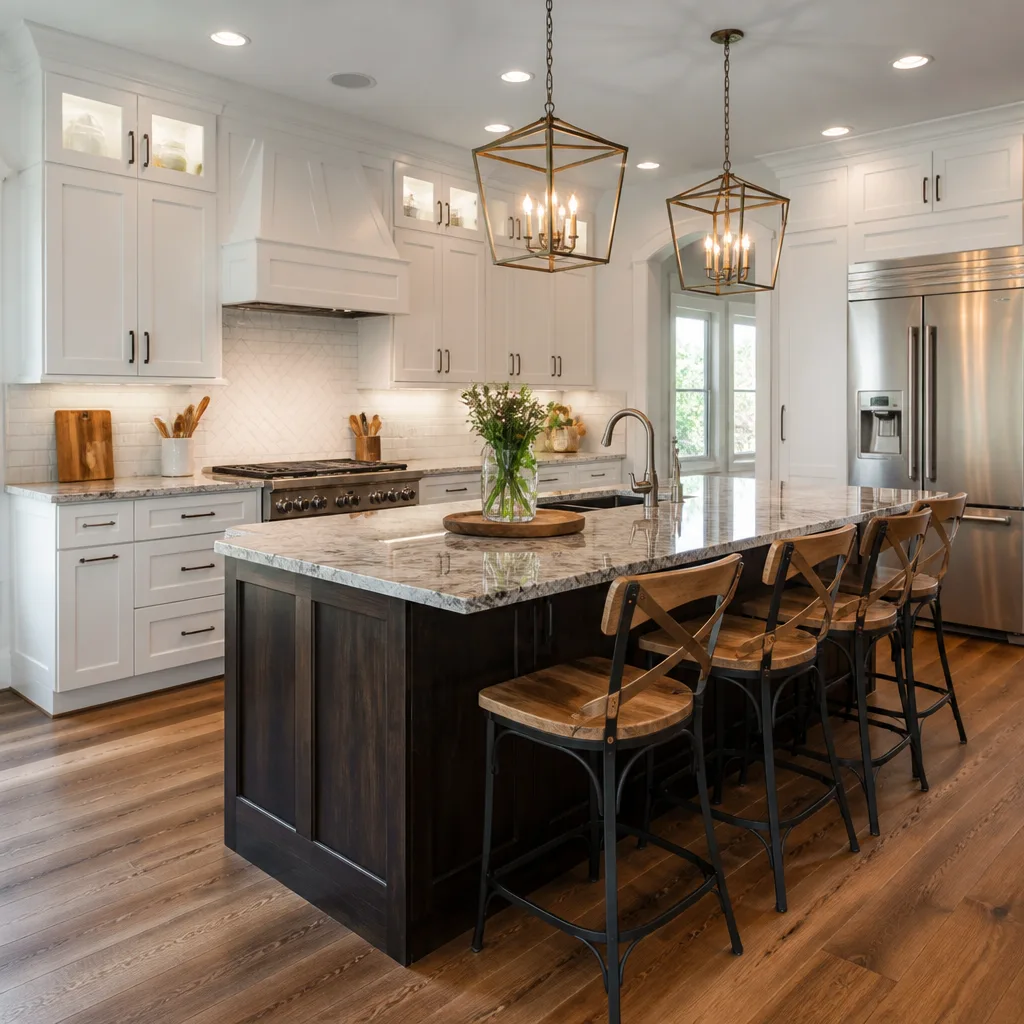
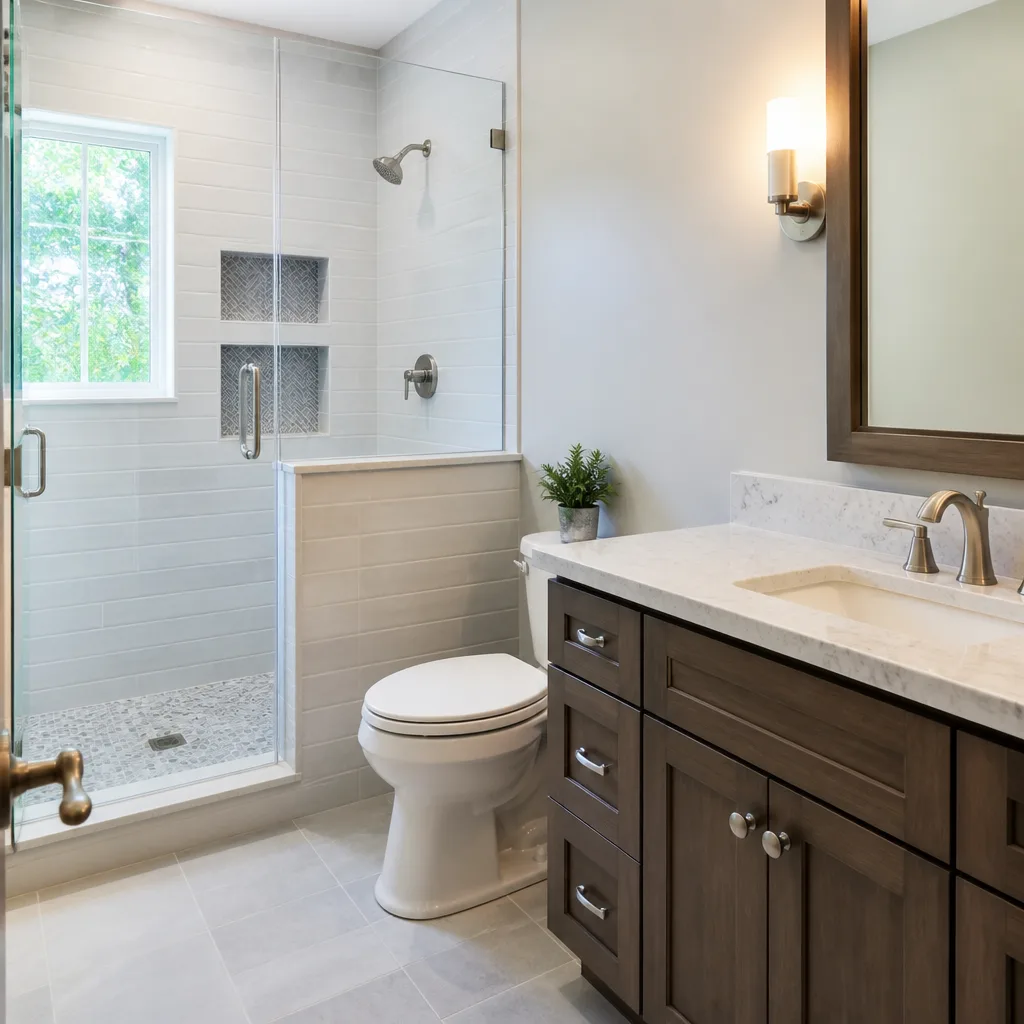
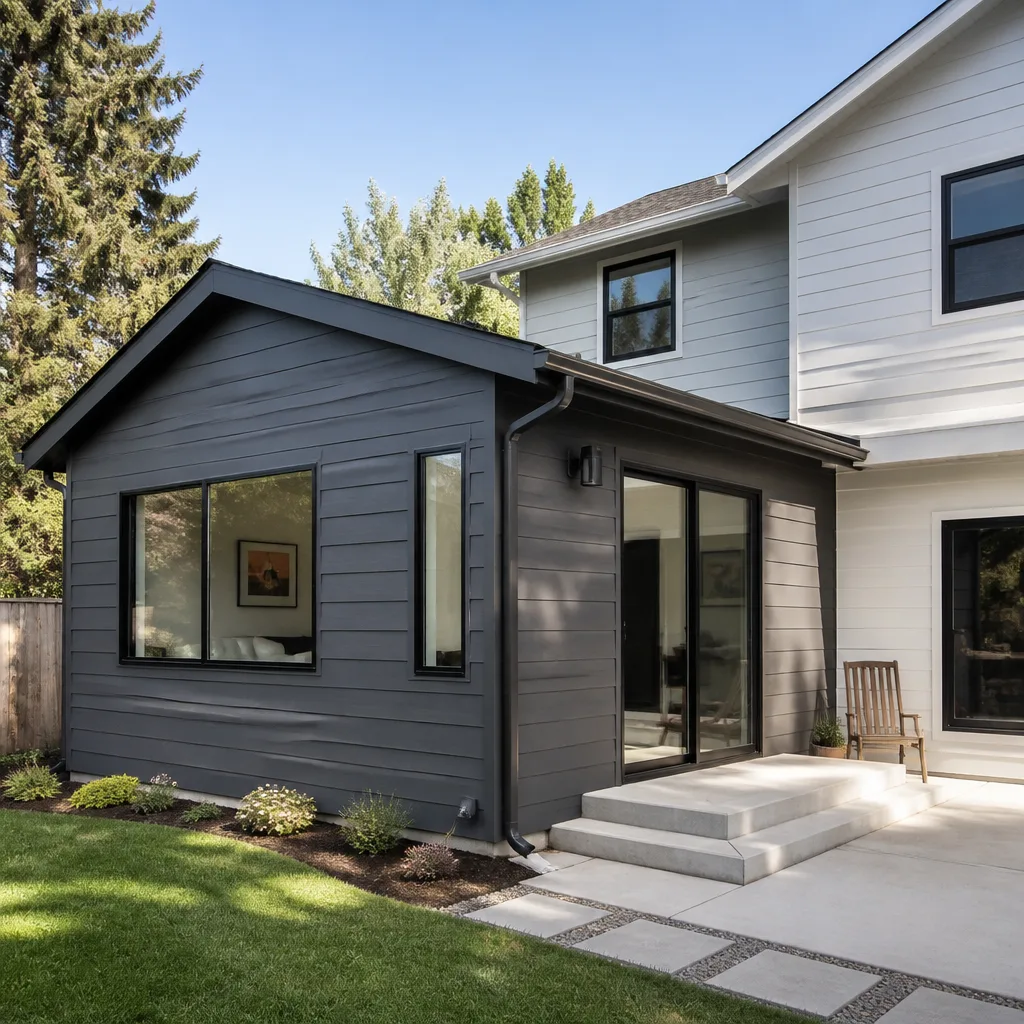
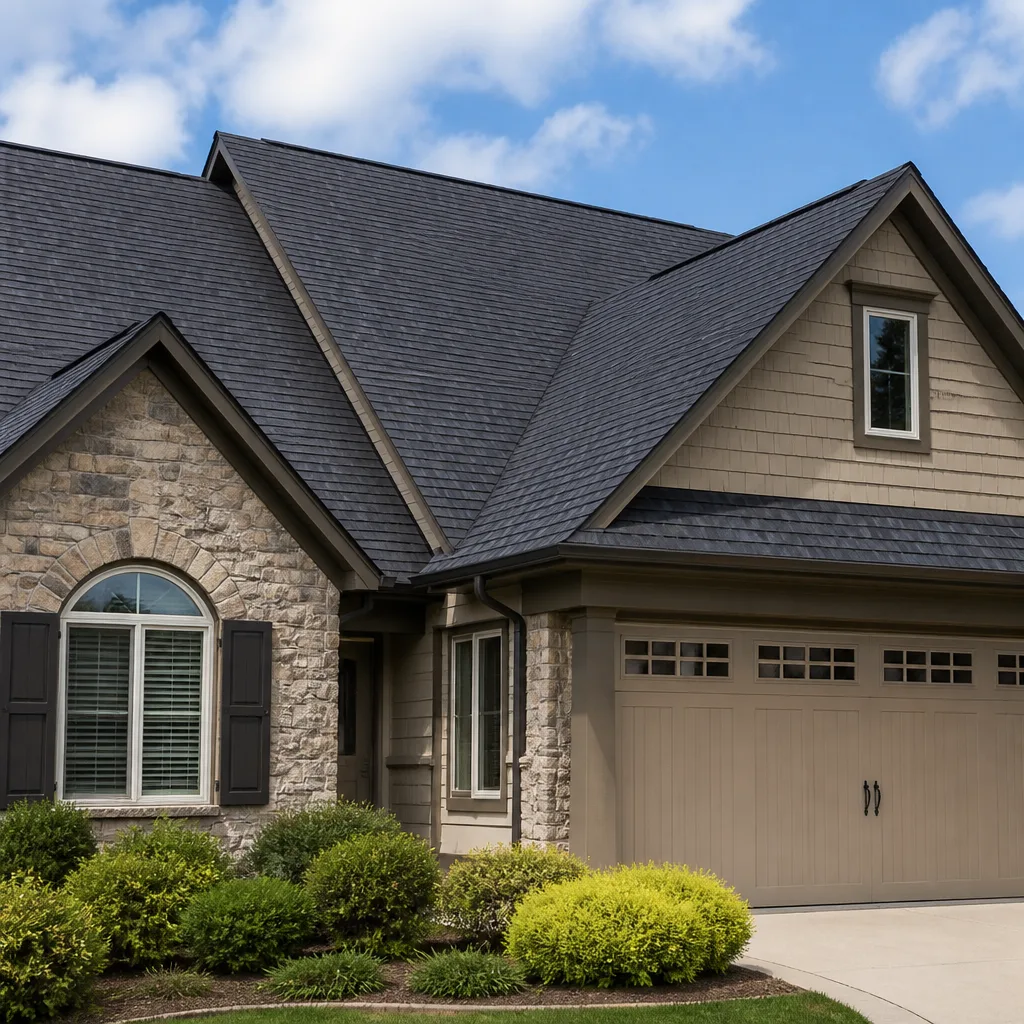
 Before
 After
After Before
 After
After Before
 After
AfterQuikrete Home Additions & ADU: The Walnut Creek Owner’s Guide
Quikrete concrete and masonry materials are specified in most home additions and ADU projects we quote in Walnut Creek, with installed foundation and flatwork packages typically running $45,000-$130,000 depending on square footage, soil conditions, and whether the design calls for a stem wall or slab-on-grade. We stock Quikrete Type II/V cement, 4,000 PSI countertop mixes, and fiber-reinforced slab mixes on our Walnut Creek yard, and we can usually pull permits and start excavation within two weeks of a signed agreement. Most homeowners first realize something’s wrong when they spot spiderweb cracking across a new garage slab, or when a foundation pour sets before the finish crew can get the slope right for drainage.
Which Quikrete Models This Applies To
Quikrete doesn’t sell “home addition kits” - they sell the bagged and bulk materials that get specified into your structural drawings. The critical match happens at the submittal stage, when your engineer calls out a compressive strength and your contractor sources the right mix. In Walnut Creek’s clay-heavy Saranap and Lakewood areas, we typically see 2,500 PSI minimum for footings and 3,000 PSI for slabs, but hillside builds off Ygnacio Valley Road often need 3,500 PSI with sulfate-resistant cement because of the soil chemistry.
Here’s how to read what you’ve got: the Quikrete bag code (printed in the lower right corner) starts with a project type - 1101 for general concrete, 1106 for crack-resistant, 1007 for countertop. The number after the dash is the PSI at 28 days. For ADU foundations in Walnut Creek’s permit jurisdiction, the city inspector will check that submittal against the bag stamp. We keep mill certificates on file for every load, which is what the city wants to see when they tag your footing inspection. Aftermarket or “equivalent” mixes from regional suppliers are fine if the engineer approves them in writing, but we’ve found Quikrete’s batch consistency saves us from callback conversations about color variation or cure time.
Signs Your Quikrete Home Additions & ADU Is Failing
- Map cracking or crazing across the slab surface. This happens when the surface dries faster than the base, usually from wind exposure on Walnut Creek’s afternoon gust days or from too little curing compound. It looks cosmetic but can telegraph through tile or laminate if you don’t grind and patch before flooring goes down.
- Corner pop-offs at the foundation edge. The mix was likely placed too wet, or the forms were stripped early in cold weather. In the hills above Rudgear Road, we’ve seen this where morning fog slows cure time and crews get impatient. The fix is epoxy injection or partial replacement, depending on depth.
- Efflorescence blooming on basement or stem walls. White powder means moisture is moving through the capillaries and depositing salts. In Walnut Creek’s older neighborhoods near the creek bed, this often pairs with inadequate dampproofing - the Quikrete itself is sound, but the waterproofing detail failed behind it.
- Settlement cracks wider than a dime, especially stair-stepping. This is structural, not material. The soil wasn’t compacted properly before the pour, or the rebar chair height was wrong and the steel ended up too low. We’ve found this on three ADU projects in the past two years where the previous contractor skipped a geotech report.
- Spalling or surface flaking after the first winter. De-icing salts are rare here, but poor air entrainment in the mix leaves the surface vulnerable to freeze-thaw if you’re above 800 feet near Mt. Diablo’s foothills. Quikrete’s crack-resistant mix has the air built in; standard 1101 does not.
 Before
 After
AfterReplacement Cost & What’s Included
| Scope | Typical Range in Walnut Creek |
|---|---|
| Partial slab replacement (up to 200 sq ft) | $4,500-$9,500 |
| Full ADU foundation, slab-on-grade | $18,000-$35,000 |
| Stem wall and footing repair (localized) | $6,500-$14,000 |
| Complete home addition foundation, 400-800 sq ft | $45,000-$130,000 |
| Countertop pour and finish (Quikrete 1007) | $2,000-$6,500 |
The spread depends on three things: access (can we get a pumper truck to the backyard in Saranap, or are we wheelbarrowing?), soil condition (expansive clay means overexcavation and import), and whether the city wants a soils engineer to sign off. Our quotes break out concrete material by the cubic yard, rebar by the ton, and labor by the phase - forming, pour, finish, strip. Under Clause 1 of the Haven Standard, that written price is locked before anyone cuts a board. The 365-Day Done Right Promise covers the workmanship, and we pull every permit and pass every inspection before we invoice final.
DIY or Call Us?
There’s a safe middle ground here. A homeowner can check the bag codes against the permit submittal, measure crack width with a feeler gauge, and photograph efflorescence for documentation - all useful, all zero risk. Where DIY goes wrong is in the pour itself: concrete waits for no one, and a four-yard slab in Walnut Creek’s July heat can go from workable to unworkable in 45 minutes. We’ve been called to three jobs in the past year where the homeowner’s friend with a mixer got the grade wrong and sloped water toward the house. The material cost was maybe $800. The removal and repour was $7,200. Measure twice, document once, then we build.
If you’re seeing structural cracks, if the city has flagged your inspection, or if you’re mid-project and the mix specs don’t match the drawings, call (510) 686-6370. We’ll review your permit set and give you a written second opinion at no charge.
FAQs
Properly placed and cured, 50-plus years. We’ve inspected 1970s slabs in the Lakewood area that are still flat and crack-free. The failures we see are almost always placement or curing errors, not material defects. Call (510) 686-6370 if you want us to assess what’s actually happening with yours - estimates are free.
Localized repair works for surface crazing, corner pop-offs, and narrow settlement cracks under 3/16 inch. We epoxy-inject, overlay, or diamond-grind depending on the finish schedule. Full replacement makes sense when the rebar is compromised, the grade is wrong, or the crack pattern indicates ongoing soil movement. We’ll tell you which category you’re in after we look at it - call (510) 686-6370.
Demolition and haul-off: 2-3 days. Forming and rebar: 2 days. Pour and finish: 1 day. Cure before framing: 7 days minimum, 14 days if the city wants a break test. Total timeline is usually 3-4 weeks including inspection waits. We also stock Quikrete-compatible mixes from KraftMaid, Cambria, and Silestone for the finish trades that follow.
We stock Type II/V and crack-resistant mixes at our Walnut Creek yard, and we have accounts with regional batch plants for larger pours. You don’t source separately - the material is in our quote, with mill certificates included, so the inspector has what they need. Call (510) 686-6370 to schedule a site visit and get the written price.
Grant Rowan grew up in Beverly Hills and learned to read structural drawings at Los Angeles Trade-Technical College before he could legally rent a truck. Over the past two decades he and his crew have worked across Contra Costa County, including gut-renovation projects in Walnut Creek’s Saranap neighborhood, building a reputation for framing that closes square and finishes that hold up past the first inspection.
Written by Grant Rowan, Owner, Rowan Construction Group Walnut Creek at Rowan Construction Group Walnut Creek, serving Walnut Creek and nearby areas.