
Free written scope consultation - allowances, timeline, and change-order rules on paper before a single trade is scheduled
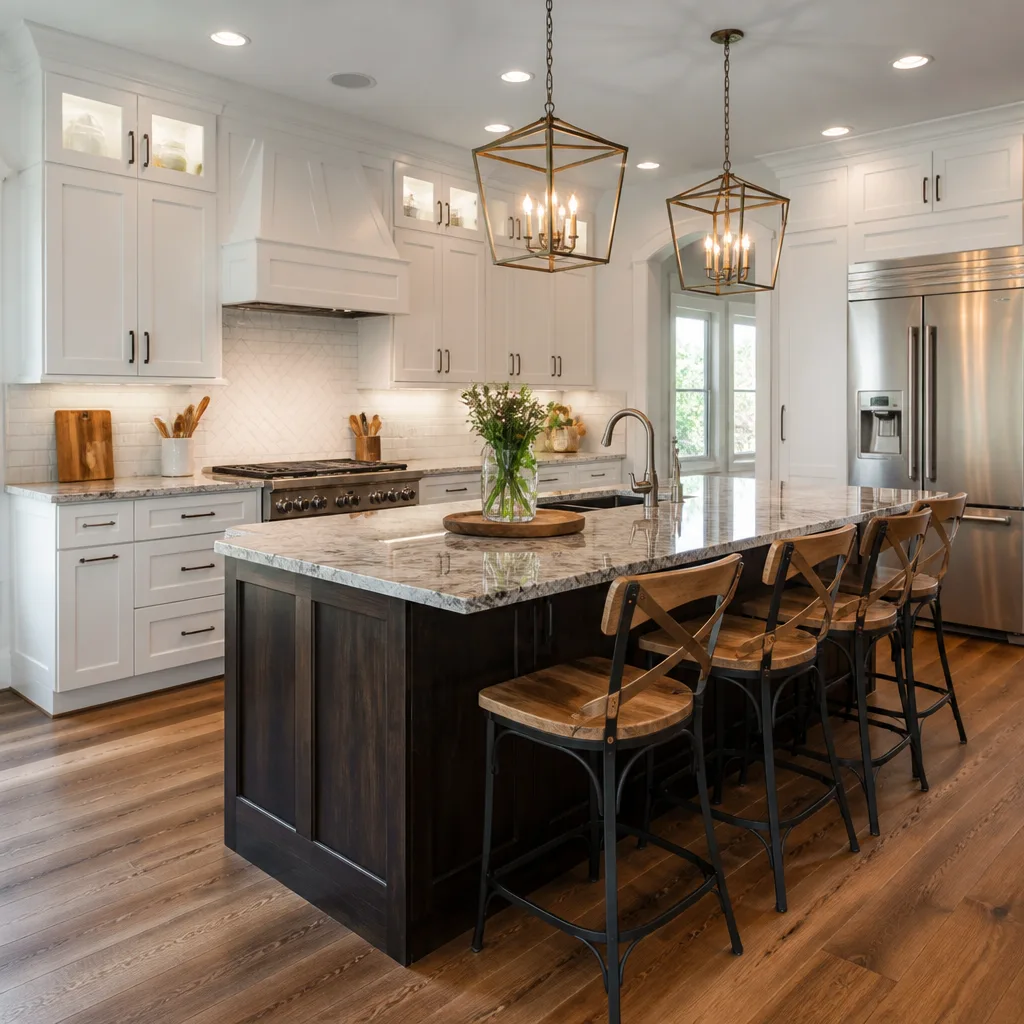
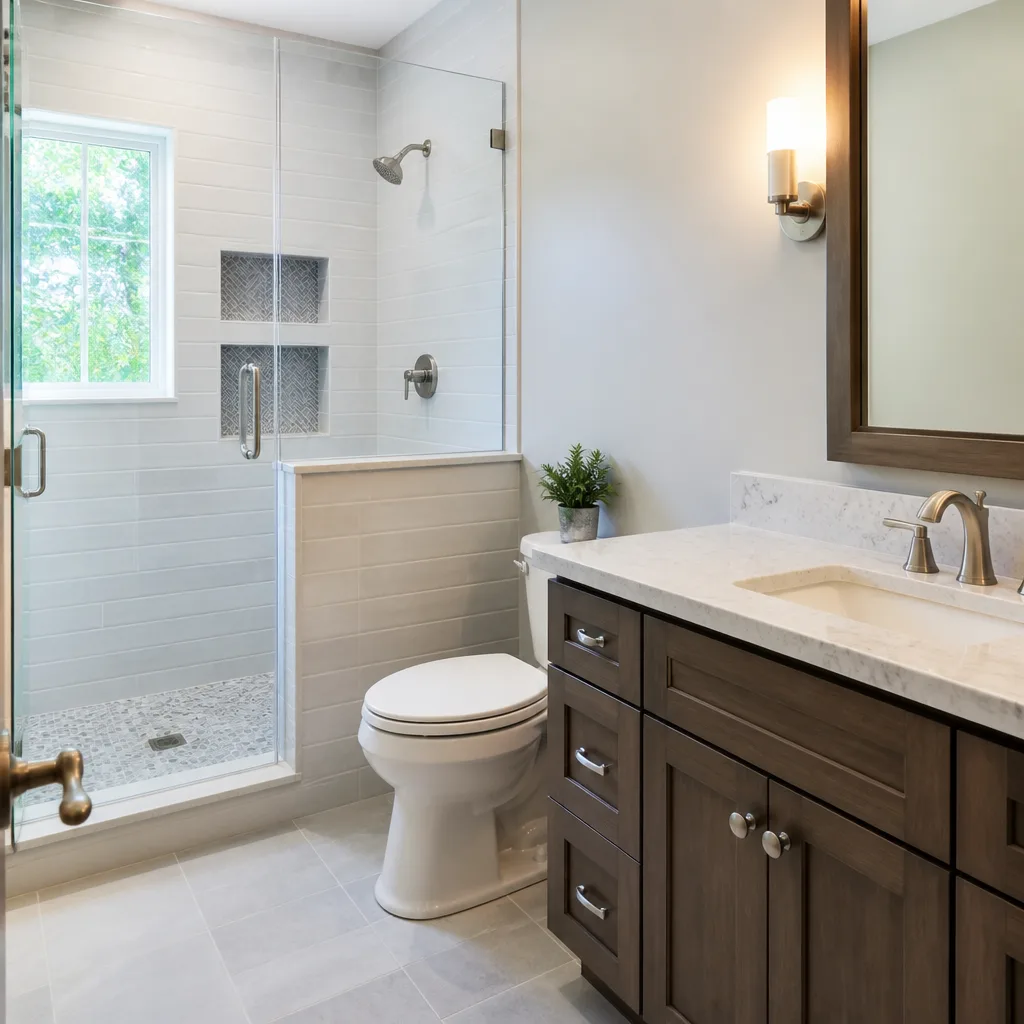
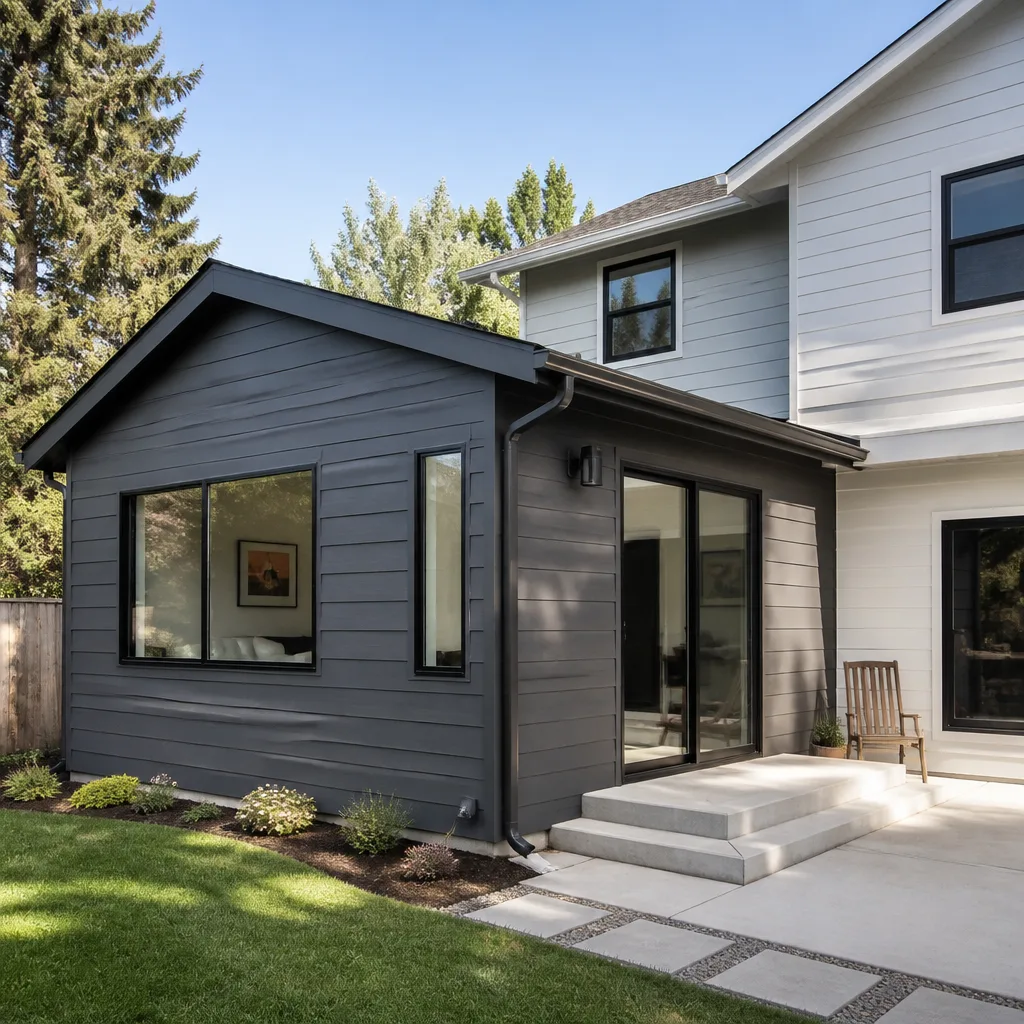
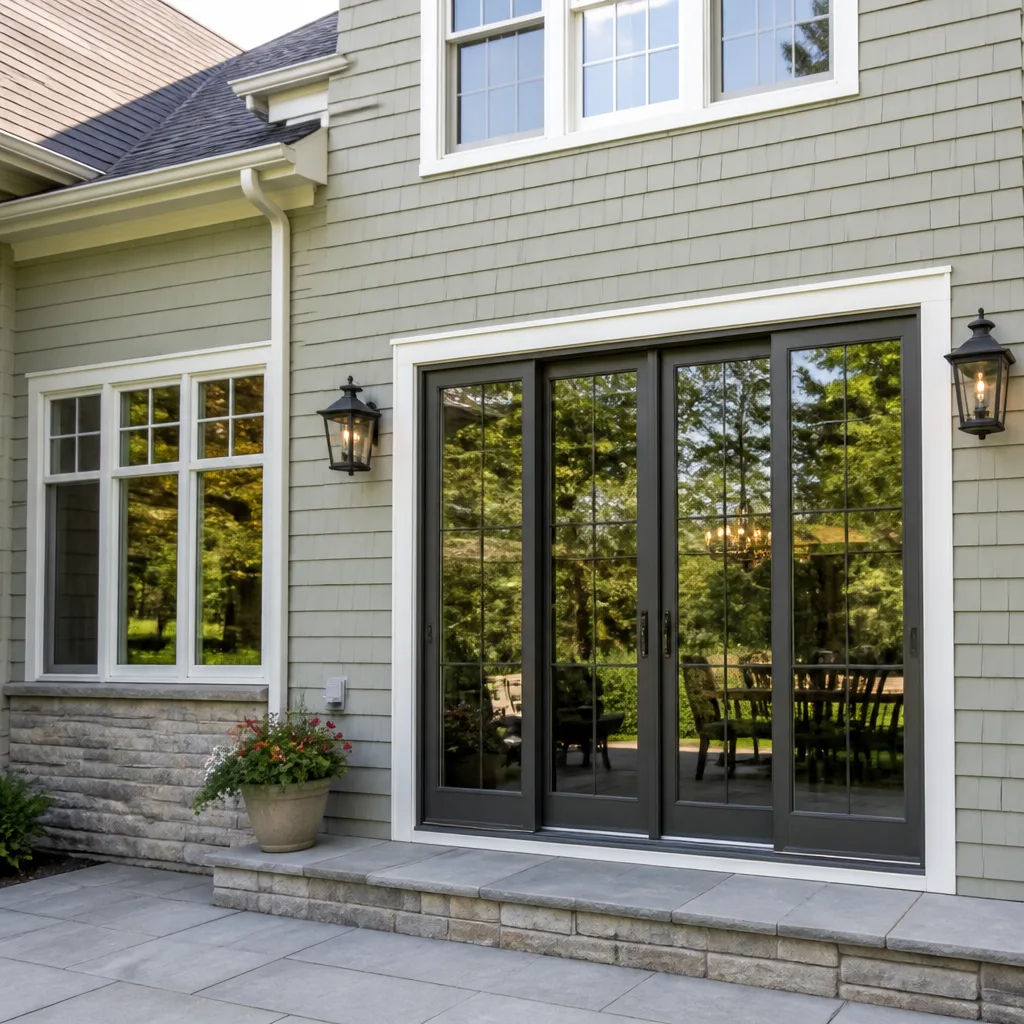
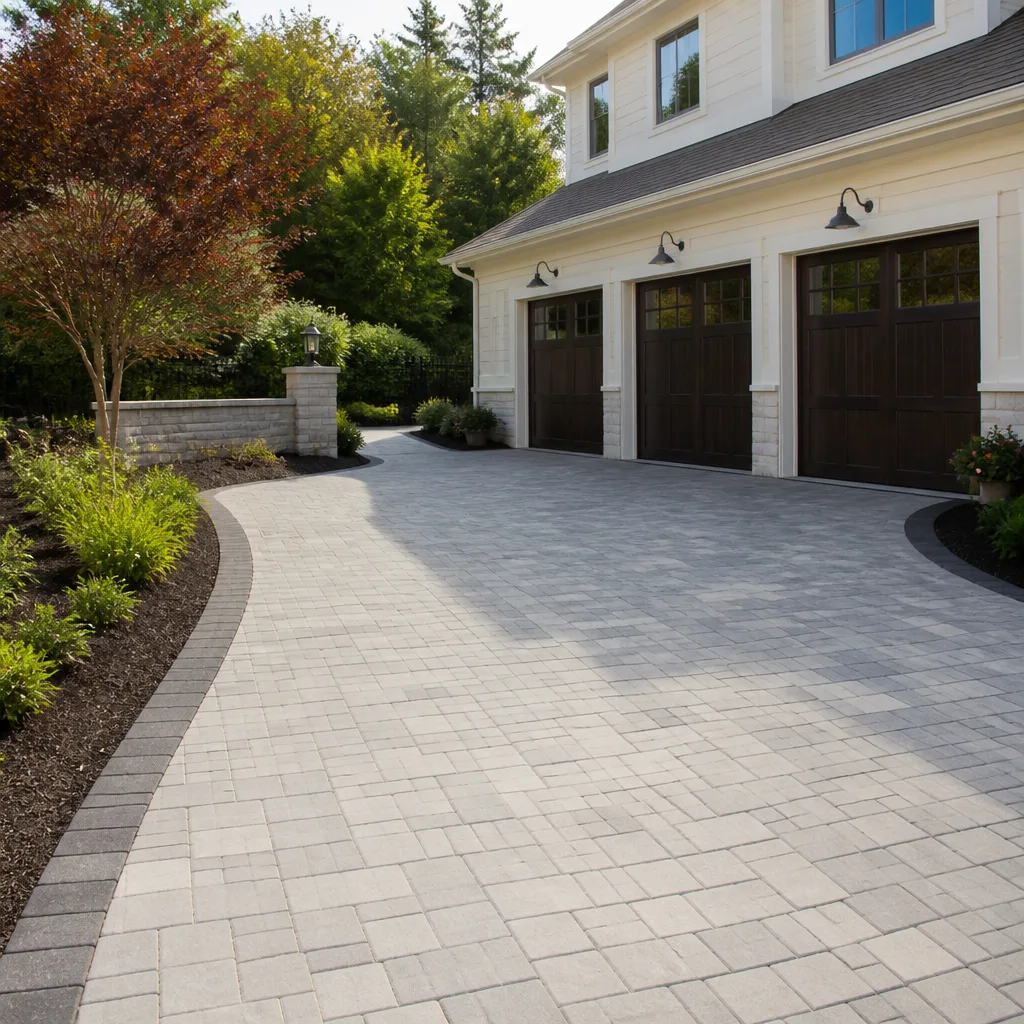
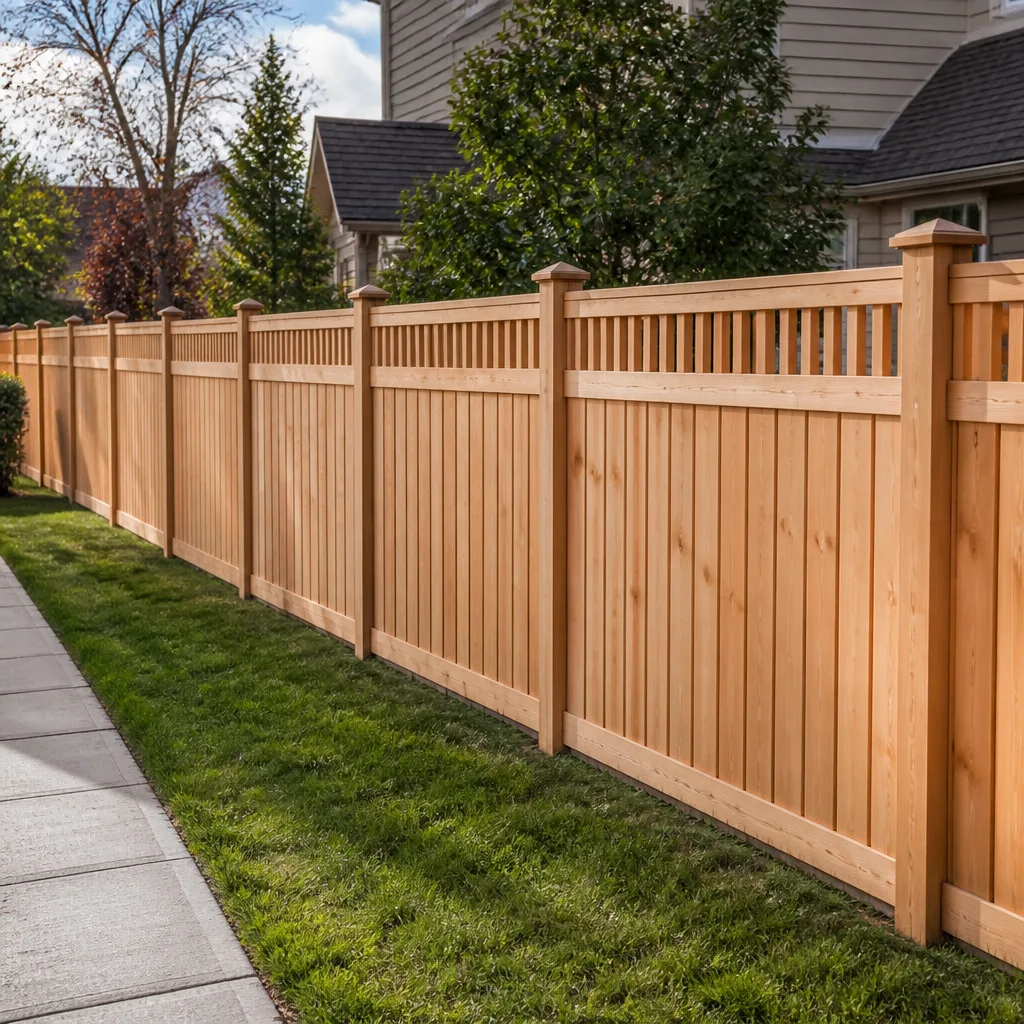
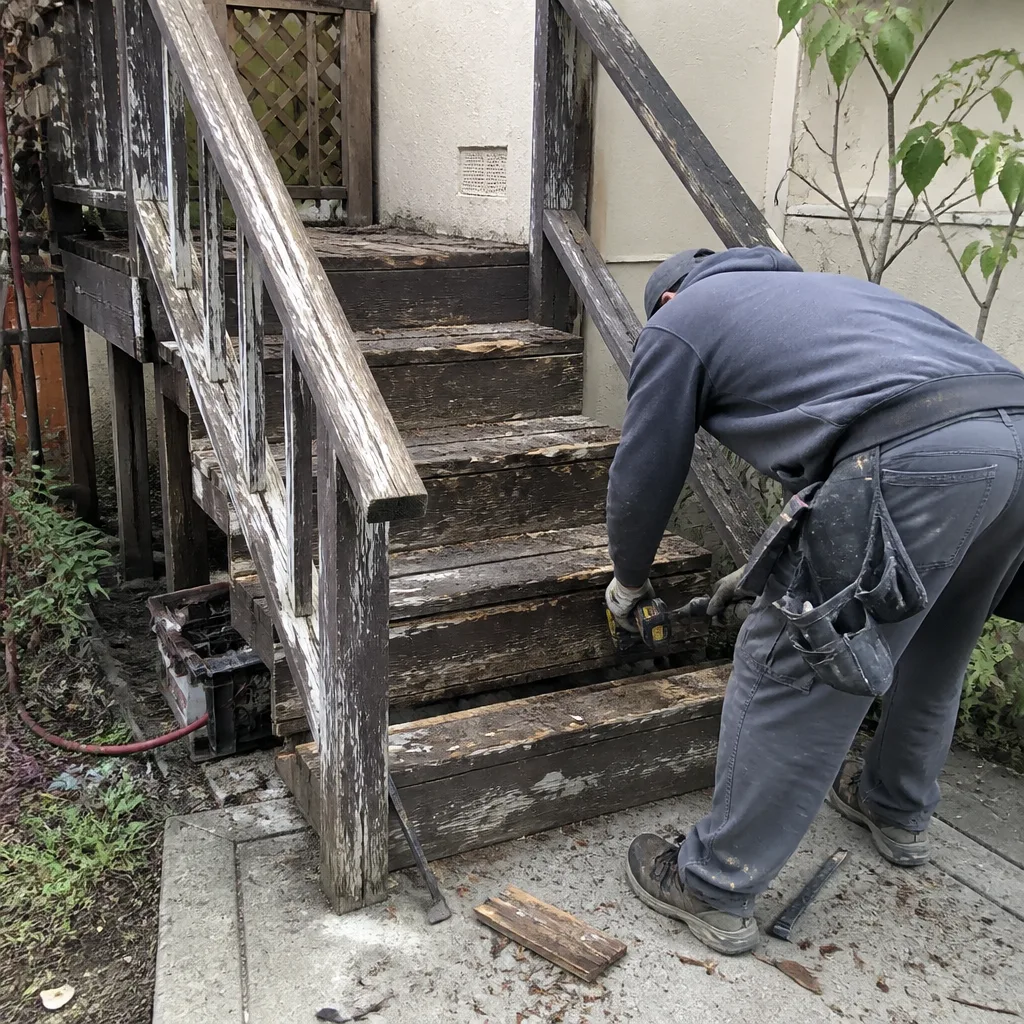 Before
 After
After Before
 After
After Before
 After
AfterBoxabl Home Additions & ADU: The Walnut Creek Owner’s Guide
Boxabl-compatible home additions and ADU construction in Walnut Creek typically runs $45,000-$130,000 for a standard home addition, while a full ADU build ranges $90,000-$220,000 depending on utility tie-ins, foundation type, and Contra Costa County permit requirements. We stock and install Boxabl-compatible connection hardware, utility integration kits, and weather-sealing systems for the Casita line and accessory dwelling unit configurations. Most Boxabl owners in Walnut Creek first notice a problem when the unit-to-foundation connection shows daylight, utility couplings leak after seasonal ground shift, or the integrated HVAC struggles to keep up with summer heat loads that the original spec didn’t anticipate for inland East Bay microclimates.
Which Boxabl Models This Applies To
This page covers the Boxabl Casita and the ADU-specific configurations that share its 19.5′ × 19.5′ × 9.5′ module dimensions, the 375 sq. ft. footprint, and the steel-frame chassis with integrated utility chase. The Casita is the primary model delivered to Walnut Creek and Contra Costa County; larger multi-module additions use the same connection hardware stacked or arranged in L-configurations.
To identify your exact configuration, check the data plate on the electrical panel door for the serial prefix: CAS- indicates a standard Casita, while ADU- prefixes denote factory-configured accessory dwelling units with pre-installed kitchen and bath rough-ins. The utility connection kit differs between these; the ADU ships with a 200-amp service stub, while the base Casita carries 100-amp. We source both OEM Boxabl connection hardware and tested equivalents from Simpson Strong-Tie and MiTek for the structural anchors, and Viega or Uponor for plumbing manifolds where the original PEX routing needs extension into a permanent addition.
The OEM-vs.-aftermarket decision for Boxabl in Walnut Creek usually comes down to lead time. Factory hardware ships from Las Vegas in 10-14 business days; our Simpson and MiTek equivalents are in the Walnut Creek warehouse within 48 hours and carry the same ICC-ESR structural ratings. For utility integration, we prefer OEM manifolds when the original PEX-A expansion fittings are intact, since mixing expansion and crimp systems in the same chase creates a compatibility failure point we’ve seen three times in Saranap and Pleasant Hill installations.
Signs Your Boxabl Home Additions & ADU Is Failing
- Visible gap between module base and foundation. The steel chassis rides on adjustable post-tension anchors that settle differently than conventional stem walls. In Walnut Creek’s clay-heavy soils, especially near the Saranap flats, seasonal moisture swings loosen these anchors and create a daylight gap that admits water and pests. The underlying cause is anchor bolt creep, not foundation failure, but the gap compromises the weather seal.
- HVAC short-cycling or inability to reach setpoint. The Casita’s integrated mini-split is sized for 375 sq. ft. of conditioned space. When owners enclose a connecting breezeway or add a second module without upgrading the condenser, the system runs continuously in July and August when Walnut Creek hits 95°F-plus. The compressor isn’t broken; it’s undersized for the new load.
- Water stains at ceiling panel seams. Boxabl’s roof is a flat membrane system with internal drains. Debris accumulation in the scuppers backs water against the membrane seam tape, which degrades faster in Contra Costa’s UV exposure than the factory spec assumes. The stain means water has penetrated the tape and is tracking along the steel frame.
- GFCI trips on kitchen or bath circuits. The original electrical chase runs through the steel frame with grommeted penetrations. Ground shift or thermal expansion in Walnut Creek’s 40°F winter-to-100°F summer swing can abrade wire insulation at these grommets. A GFCI trip is often the first symptom of a frame-ground short, not a faulty appliance.
- Doors binding or latches misaligned. The Casita’s steel frame is rigid, but the connection to conventional stick-framed additions flexes differently. In the Arbolay and Lakewood neighborhoods, we’ve seen 1/4″ differential settlement between module and addition cause door frames to rack within the first two winters.
 Before
 After
AfterReplacement Cost & What’s Included
Boxabl home addition and ADU work in Walnut Creek falls into three cost tiers based on what the project actually involves:
| Project Type | Typical Range | What’s Included |
|---|---|---|
| Module-to-foundation re-anchor and seal | $8,500-$18,000 | Structural assessment, anchor replacement or shim, new membrane termination bar, perimeter sealant, permit correction if prior work was unpermitted |
| Utility extension into conventional addition | $12,000-$28,000 | Electrical service upgrade if needed, PEX manifold extension or replacement, HVAC load calculation and equipment resize, rough and finish |
| Full home addition (Boxabl-connected) | $45,000-$130,000 | Foundation, framing, roofing tie-in, full utility integration, finishes per written scope |
| Detached ADU construction | $90,000-$220,000 | Site work, standalone utilities, Contra Costa County ADU permit package, full build to certificate of occupancy |
What drives the range: foundation type (post-tension slab vs. conventional stem wall), whether the original Boxabl permit included future addition language (saving $3,000-$6,000 in plan revision), and the condition of existing utility rough-ins. Under Clause 1 of the Haven Standard, the written price covers everything in the scope; no change proceeds without a signed change order. The 365-Day Done Right Promise covers all Boxabl integration work, and every project leaves with a documented photo record of anchor placement, membrane overlap dimensions, and pressure-test readings.
DIY or Call Us?
There’s a short list of what a Boxabl owner can safely check without tools: verify the scupper drains are clear of leaves, confirm the GFCI test button functions, and look for obvious gap light at the foundation perimeter. Beyond that, the steel-frame construction and integrated utility chase create hazards that aren’t obvious.
The chassis anchors are torqued to 110 ft-lb with specific wedge-anchor embedment depths into concrete; undertorquing lets the module shift, overtorquing shears the bolt. The electrical chase shares the frame cavity with plumbing and low-voltage; a drilled hole for a shelf bracket can hit live 240V. And the roof membrane requires heat-welded seams that can’t be taped effectively. We’ve been called to Walnut Creek jobs where a well-intentioned owner’s silicone repair turned a $900 membrane patch into a $7,000 full recover.
Measure twice, document once, then we build. For Boxabl work, that means we photograph the existing condition, mark every anchor location on the plan, and give you the written scope before the crew arrives. Call (510) 686-6370 to schedule your free estimate.
FAQs
The steel frame carries a 50-year structural design life, but the connection hardware, membrane, and utility components need attention sooner. In Walnut Creek’s inland climate, expect 12-15 years from the roof membrane, 20-25 years from galvanized anchors before corrosion inspection, and 10-12 years from the mini-split compressor if it’s running extended hours in a larger-than-spec space. Call (510) 686-6370 and we’ll assess what’s actually aged on your unit.
Sometimes. Anchor bolts with surface rust can be cleaned, re-torqued, and coated if the threads gauge clean and the concrete embedment is still sound. But wedge anchors that have slipped or show zinc corrosion through to base steel get replaced; reusing them is a failure point we won’t sign off on. The membrane can be patched if the substrate is dry and the damage is under 4″ in any direction. We give you the photo evidence either way.
Permitting through Contra Costa County runs 6-10 weeks for ADUs with the state-mandated expedited review; the build itself is typically 8-14 weeks depending on utility trenching distance and whether we’re tying into existing septic or running new sewer. A simple module re-anchor and seal is 2-3 days. We put the schedule in writing with the price, not after.
We stock Simpson Strong-Tie and MiTek structural anchors, common PEX-A expansion fittings and manifolds, and membrane patch materials in the Walnut Creek warehouse. OEM Boxabl hardware ships from Las Vegas; we order it on approval of the written quote so it’s on-site when the crew is. For KraftMaid, Cambria, and Silestone finishes in connected additions, we carry samples and can source full material in 2-3 weeks.
Written by Grant Rowan, Owner, Rowan Construction Group Walnut Creek at Rowan Construction Group Walnut Creek, serving Walnut Creek and nearby areas.