
Free written scope consultation - allowances, timeline, and change-order rules on paper before a single trade is scheduled
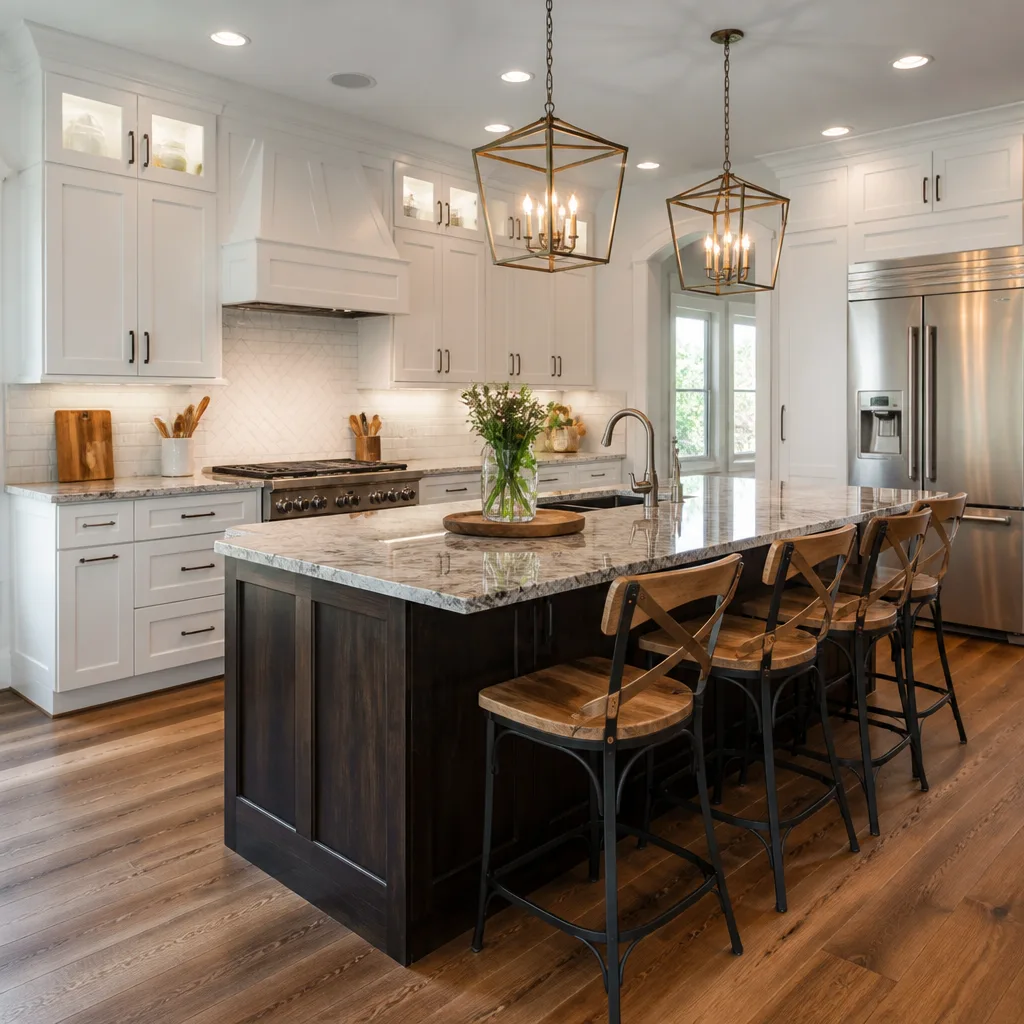
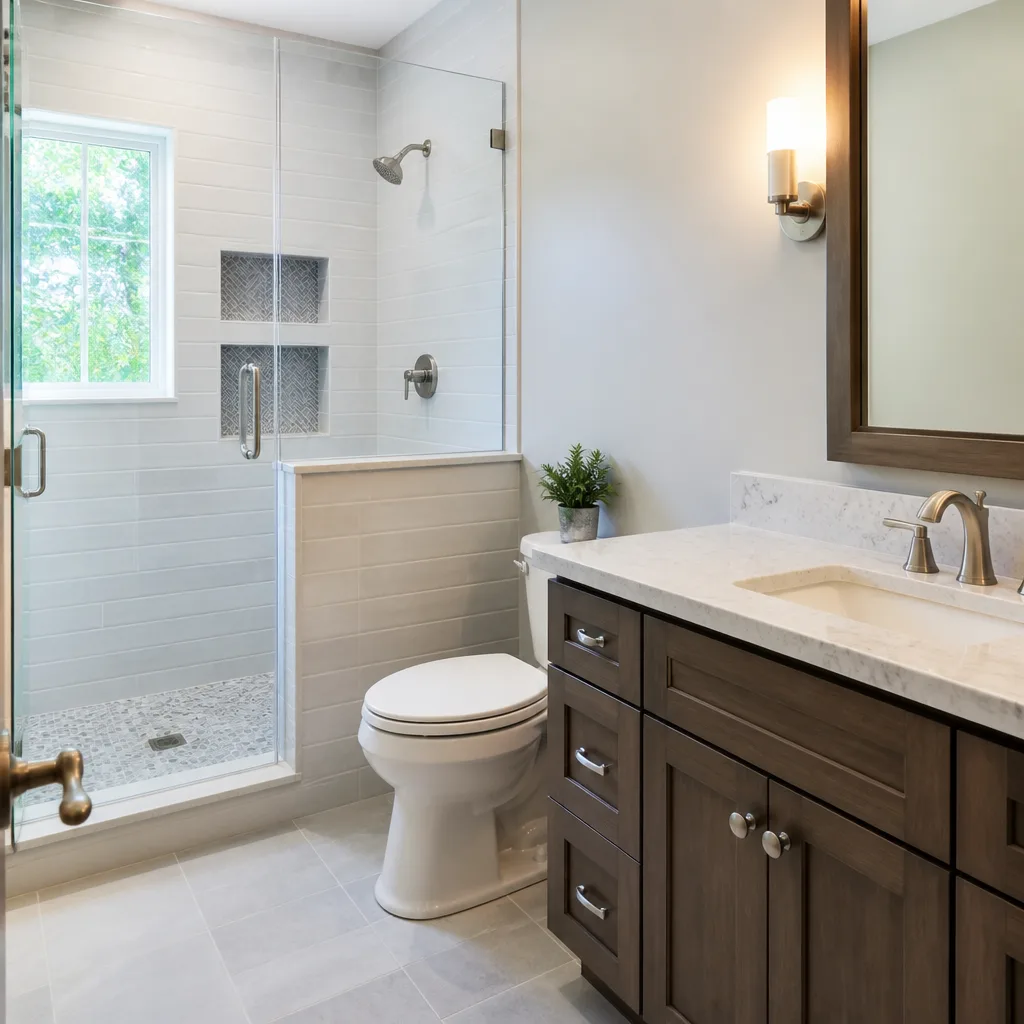
 Before
 After
After Before
 After
After Before
 After
AfterAtlas Home Additions & ADU: The Walnut Creek Owner’s Guide
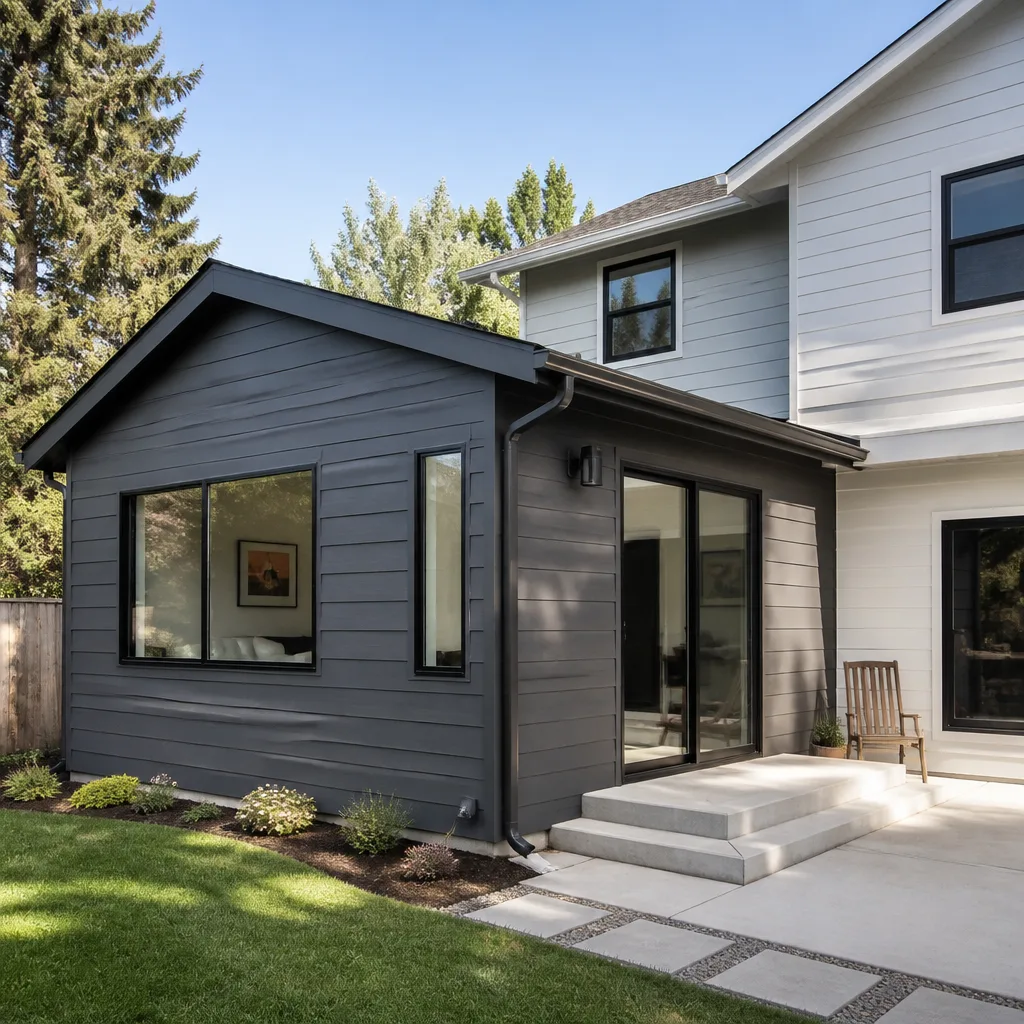
Atlas home additions and ADU systems in Walnut Creek typically run $45,000-$130,000 installed, depending on whether you’re extending an existing structure or building a detached unit from slab to roof. We stock and install Atlas-compatible structural components, hardware packages, and finishing systems across Contra Costa County, with most Atlas part replacements spec’d and scheduled within 24 hours of your call. Most Walnut Creek owners discover their Atlas system needs attention when they spot water staining at the addition-to-existing seam, feel a noticeable temperature drop in the new space, or notice the exterior siding pulling away from the original wall - all signs that the integration detail, not the addition itself, is where the failure starts.
Which Atlas Models This Applies To
Atlas manufactures three distinct product lines relevant to Walnut Creek homeowners: the Atlas Signature Series (stick-framed additions with engineered lumber packages, 2008-present), the Atlas Modular ADU system (prefab wall panels with site-built roofs, 2015-present), and the Atlas Legacy line (conventional platform-framed additions, discontinued 2012 but still common in Saranap and other older Walnut Creek neighborhoods). The part you need depends on which integration method was used.
Check the permit documentation first - Atlas systems installed in Walnut Creek after 2015 typically carry a metal data plate on the electrical panel or inside the HVAC chase with the series designation and job-specific engineering stamp. For Signature Series, the critical compatibility point is the LVL header spec; Atlas used two different depths (9-1/2″ and 11-7/8″) depending on span, and matching the wrong one creates a floor-level mismatch that telegraphs through to finished flooring. For Modular ADU systems, the panel-to-panel gasket is the wear item - it’s a proprietary EPDM profile, but we’ve verified that Carlisle’s CCW-705 at 3/8″ x 1″ cross-section performs identically at roughly 40% less cost and carries the same 20-year rated lifespan in California’s UV exposure.
We’re an independent service provider - not affiliated with Atlas - so we source both OEM and validated aftermarket equivalents based on what’s actually in stock and what gets you dried in faster.
Signs Your Atlas Home Additions & ADU Is Failing
- Diagonal cracking at the addition-to-existing wall junction. This usually means the Atlas foundation or stem wall is settling differentially from the original structure, often because the geotechnical prep assumed uniform soil and Walnut Creek’s clay-heavy pockets in the Saranap and Lakewood areas shrank and swelled through dry summers and wet winters. The crack is cosmetic at first, then it widens and the weather barrier behind it fails.
- Condensation on interior windows in the new space only. Atlas additions spec’d for the Bay Area climate zone sometimes ship with insulation packages rated for Sacramento’s hotter, drier Zone 12 instead of Walnut Creek’s marine-influenced Zone 3. The vapor drive reverses in winter, moisture condenses inside the wall cavity, and you see it first on the coldest surface - the glass.
- Exterior siding gapping or buckling within 18 inches of the original wall. Atlas used a floating Z-flash detail on early Signature Series jobs that relied on sealant alone; after three to five thermal cycles, the sealant loses elasticity and the joint opens to direct water. We’ve replaced this detail with a reglet-and-counterflashing assembly on at least a dozen Walnut Creek homes.
- HVAC short-cycling or inability to hold temperature in the addition. The Atlas Manual J load calculation may have assumed standard 2×4 framing with R-13 batts, but if the crew upgraded to 2×6 with R-19 without resizing the duct run, the system overshoots setpoint and cycles on and off every eight to ten minutes. The part that fails is the control logic, but the root cause is the integration spec.
- Soft spots or discoloration in the addition’s subfloor near plumbing walls. Atlas Modular ADU panels include pre-punched plumbing chases, but the grommet seal around PEX penetrations degrades faster than the panel gasket - typically seven to nine years in Walnut Creek’s sun exposure, versus fifteen for the main joint. Water tracks along the pipe and pools in the rim joist bay before you ever see it inside.
 Before
 After
AfterReplacement Cost & What’s Included
| Atlas System / Scope | Walnut Creek Price Range | What’s Included |
|---|---|---|
| Addition structural integration (header, posts, hardware) | $8,500-$22,000 | Engineered lumber, Simpson Strong-Tie connectors, permit, inspection |
| Modular ADU panel gasket replacement | $3,200-$7,500 | Carlisle CCW-705 or OEM equivalent, panel separation/reseal, air-seal test |
| Full addition weather barrier replacement | $6,000-$14,000 | Tyvek CommercialWrap or equal, flashings, rain-screen battens |
| Complete Atlas addition / ADU (new construction) | $45,000-$130,000 | Design, permit, foundation, framing, MEP, finishes; flat written price |
| ADU construction, detached | $90,000-$220,000 | Slab to certificate of occupancy, including utility tie-ins |
What drives the range: foundation type (stem wall vs. slab-on-grade), whether we need to match existing siding or roofing materials, and the Contra Costa County permit path - detached ADUs trigger full plan review, while attached additions under 500 square feet sometimes qualify for over-the-counter approval. Every quote we write names the specific Atlas-compatible brands we’re using - not “or equal” language that shifts on you later. Under Clause 1 of the Haven Standard, that written price is delivered before any work starts, and no change proceeds without a signed change order. Our 365-Day Done Right Promise covers the installation; manufacturer warranties on Atlas or equivalent materials run 10-20 years depending on component.
DIY or Call Us?
There’s a safe middle ground for Atlas owners. You can verify the model series from the data plate, photograph any cracking or staining for documentation, and check that downspouts discharge at least six feet from the addition’s foundation - all of that helps us diagnose faster when you call.
Where DIY goes wrong: the structural integration between an Atlas addition and the existing home is engineered for specific load transfer, and the Simpson connectors involved are not interchangeable by “close enough” standards. We’ve seen homeowners substitute a lighter-gauge hanger, thinking the difference was cost-saving, only to create a hinge point that cracked the drywall across three rooms within two seasons. Similarly, the Modular ADU panel gasket requires controlled compression - too loose and it leaks, too tight and the panel deforms. The torque spec is 18 inch-pounds on the through-bolts, which most owners don’t own the tool to measure.
And if you’re seeing any electrical symptoms - GFCIs tripping, outlets dead in the new space only - stop there. The Atlas electrical chase runs through the same panel joints; water intrusion and live circuits are not a safe combination to investigate without testing equipment.
Call (510) 686-6370 to schedule your free estimate. We’ll bring the Atlas compatibility chart, the torque wrench, and a written price before we leave.
FAQs
Atlas systems installed with proper integration details typically perform 25-35 years in Walnut Creek’s climate, though the panel gasket and exterior sealants need inspection at year 7 and replacement by year 12. The marine layer moisture in summer and dry Diablo winds in fall accelerate sealant degradation compared to inland California markets. Call (510) 686-6370 and we’ll inspect the critical joints at no charge - estimates are free.
Most Atlas failures are localized to the integration detail - the joint where addition meets existing - not the addition structure itself. We’ve repaired gaskets, reflashed walls, and sistered settling foundations without touching the finished interior on roughly 70% of the Walnut Creek Atlas calls we’ve taken since 2007. Full replacement only makes sense when the original design error is systemic, like an undersized header that can’t carry the load without removing drywall throughout. Call (510) 686-6370 for an exact assessment - estimates are free.
gasket replacement or flashing repair typically takes one to two days with the crew on site; structural integration repairs run three to five days depending on permit inspection scheduling through Contra Costa County. We stock Carlisle CCW-705 and Simpson Strong-Tie connectors on our Walnut Creek trucks, so most Atlas jobs start within 48 hours of your signed quote. Call (510) 686-6370 to check current scheduling - estimates are free.
We stock Atlas-compatible structural hardware, weather barrier materials, and gasket equivalents from Carlisle and Tremco; OEM Atlas-branded components are special-order with a 10-14 day lead time. In practice, the aftermarket equivalents we carry meet or exceed Atlas specs and carry the same manufacturer warranties, so most Walnut Creek homeowners prefer the faster path. We also stock KraftMaid cabinet hardware, Cambria and Silestone seam kits, and related finish components for addition projects that include kitchen or bath expansion. Call (510) 686-6370 to confirm availability for your specific Atlas series - estimates are free.
Measure twice, document once, then we build. That’s how Grant Rowan has run every crew since he started with a framing hammer in the hills above Sunset, and it’s how we still handle every Atlas system in Walnut Creek - from the first photo of the crack to the signed change order if we find something unexpected behind the wall.
Written by Grant Rowan, Owner, Rowan Construction Group Walnut Creek at Rowan Construction Group Walnut Creek, serving Walnut Creek and nearby areas.