
Free written scope consultation - allowances, timeline, and change-order rules on paper before a single trade is scheduled
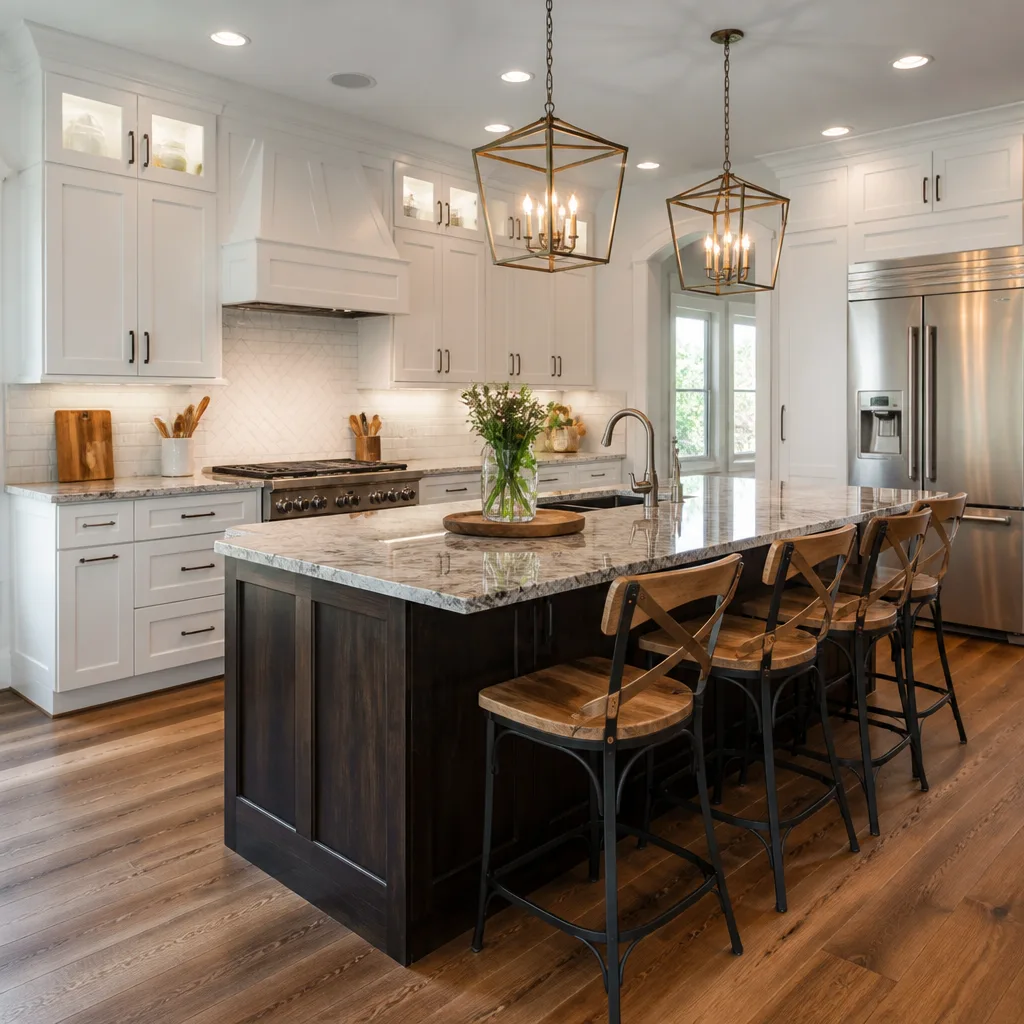
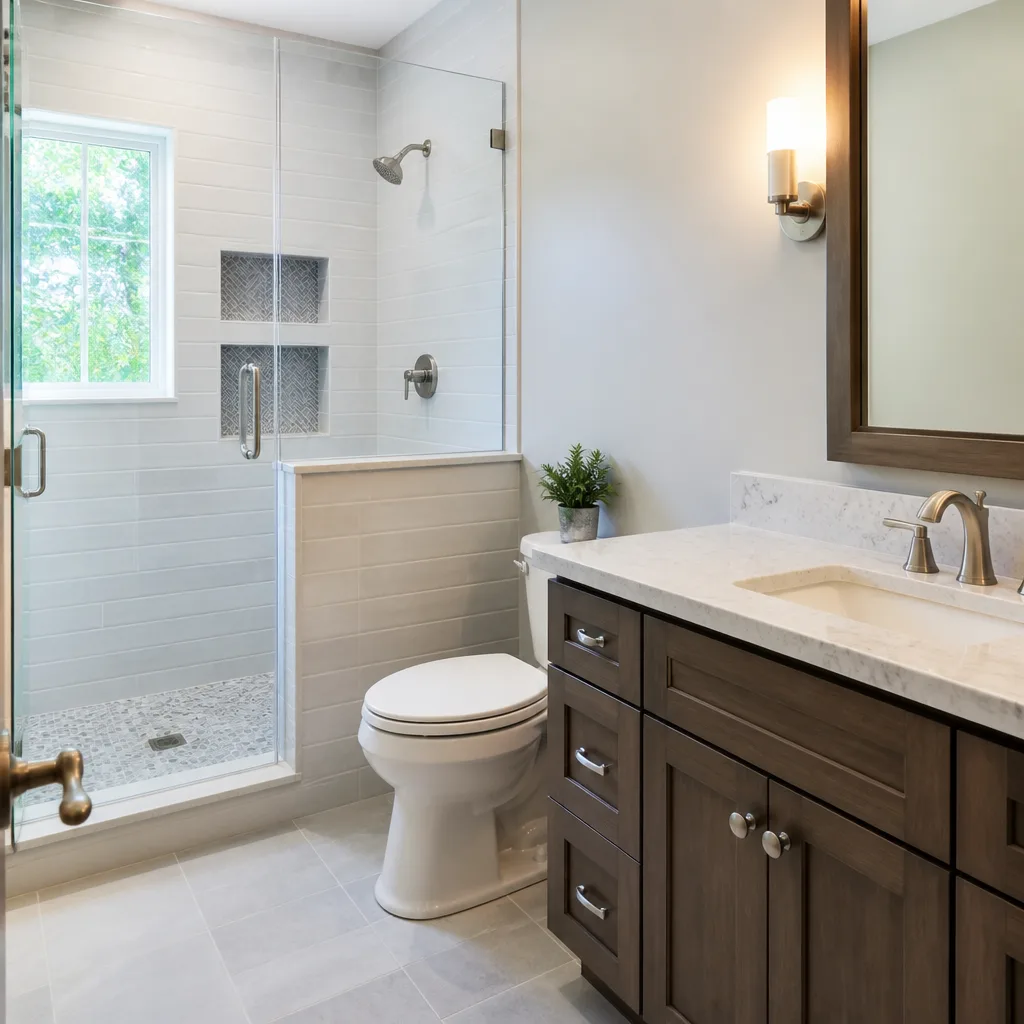
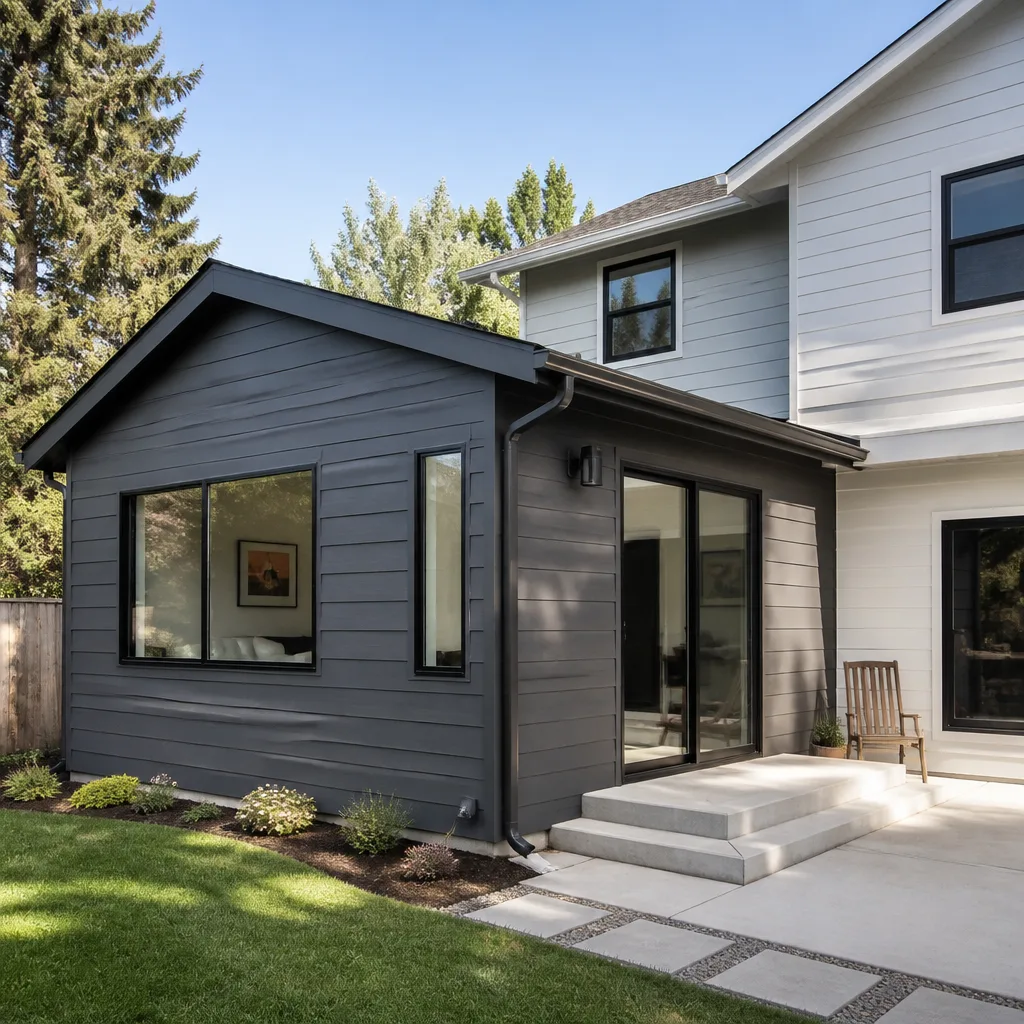
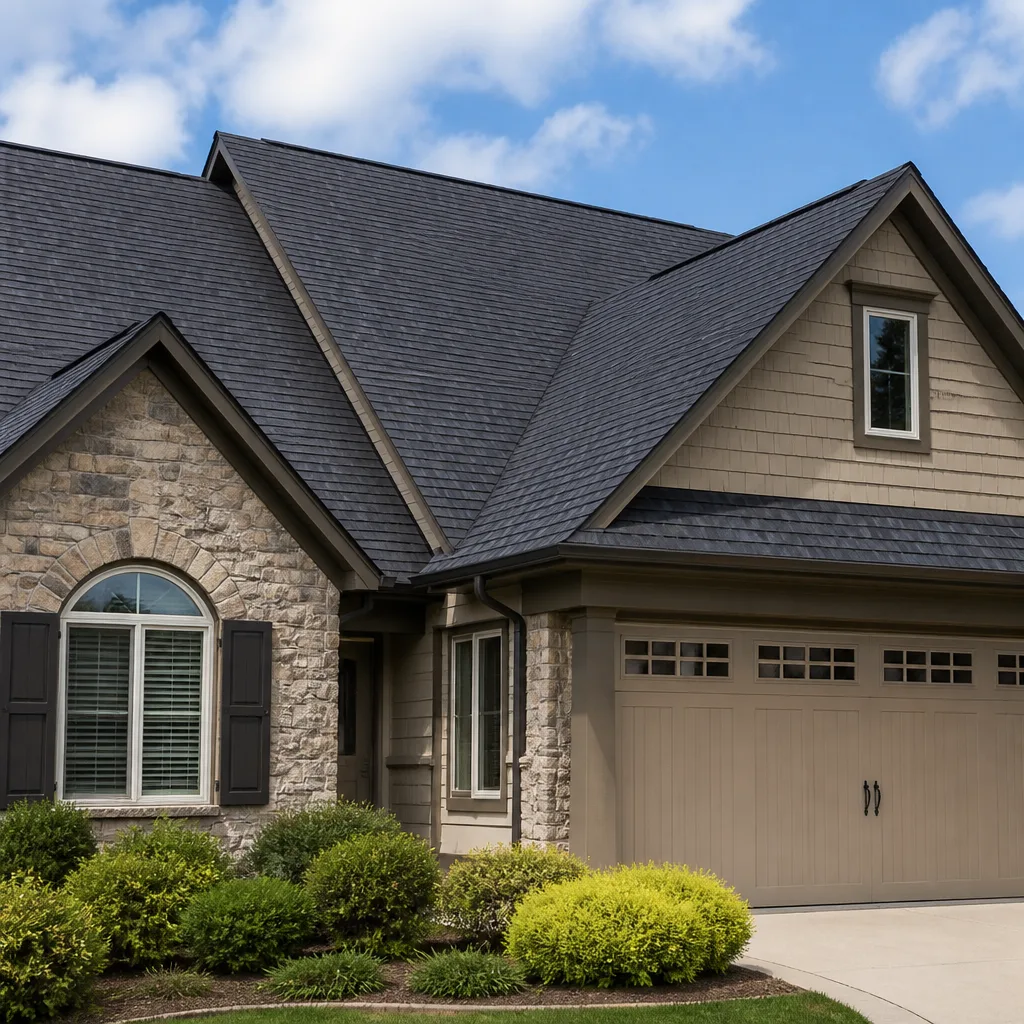
 Before
 After
After Before
 After
After Before
 After
AfterAmerican Standard Driveway & Pavers: The Walnut Creek Owner’s Guide
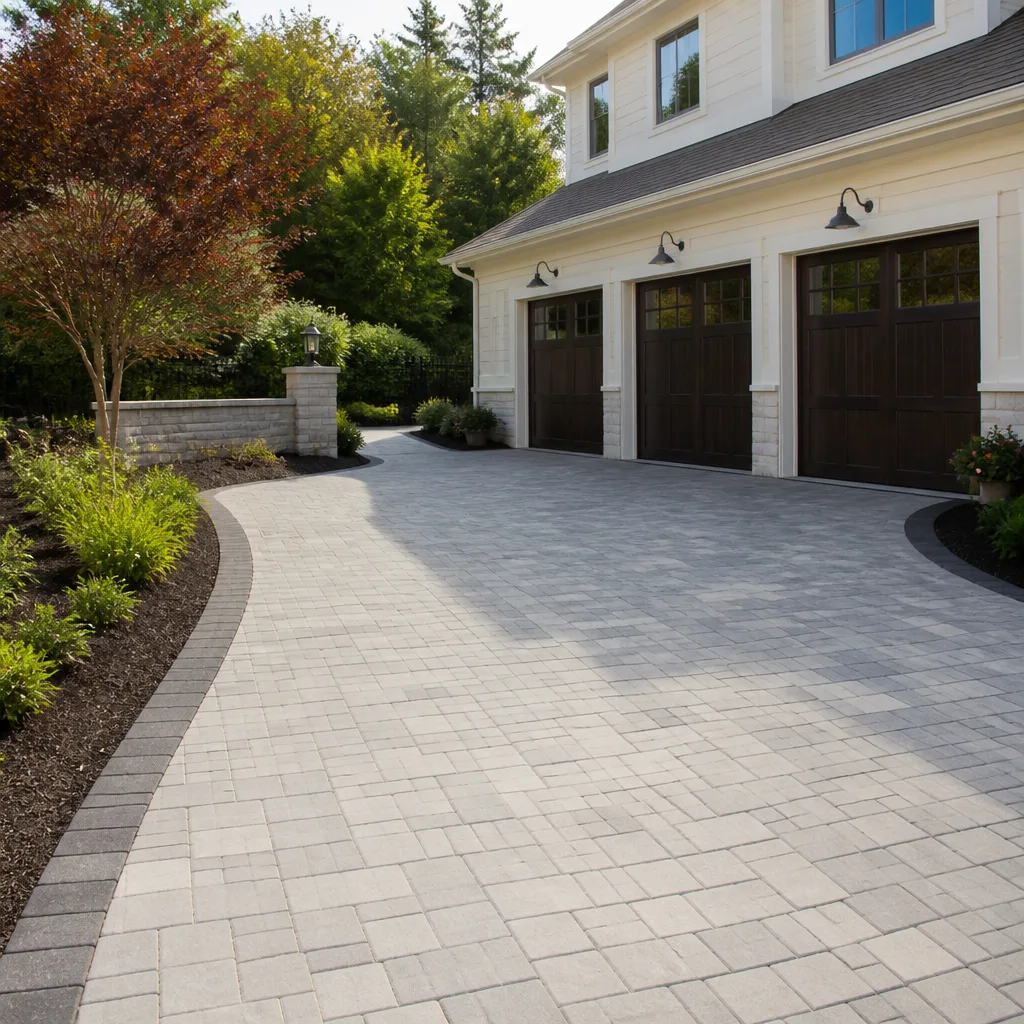
We stock and install American Standard-compatible driveway and paver components in Walnut Creek, with replacement projects typically running $5,000-$14,000 for driveway replacement and $7,000-$18,000 for full paver driveway installation depending on substrate condition and square footage. Most American Standard paver system repairs can be diagnosed and quoted same-day, and we carry common edge restraints, bedding sand, and polymeric sand compounds on our trucks. Homeowners usually discover a failure when settling creates visible dips after winter rains, or when weed growth between pavers signals joint sand degradation that the original American Standard specification was designed to prevent.
Which American Standard Models This Applies To
American Standard does not manufacture pavers directly; rather, the brand licenses its name to hardscape products produced under the American Standard Home Outdoor collection, including the Ashlar, Cobble, and Slate series lines sold through select distributors in the Bay Area. To identify your specific system, check the underside of a lifted paver for the molded “AS” stamp and a four-digit date code, or measure the joint width: Ashlar runs 3/16-inch, Cobble 1/4-inch, and Slate 1/8-inch. These tolerances matter because American Standard’s specified bedding course depth varies by series, Cobble requiring a full 1-inch screeded sand bed where Ashlar performs adequately at 3/4-inch. We source OEM-compatible materials through Belgard and Techo-Bloc, whose dimensional tolerances match the American Standard spec sheets, or we can order factory-original edge restraint and joint sand through our distributor in San Leandro. The aftermarket route saves roughly 15-20% on materials without sacrificing the interlock geometry that prevents lateral creep under vehicle loads.
Signs Your American Standard Driveway & Pavers Is Failing
- Visible settling or dipping in wheel paths. This indicates erosion of the Class II base rock beneath the bedding sand, often accelerated in Walnut Creek by the clay-heavy soils in the Saranap and Lakewood areas where drainage percolates slowly. The paver surface follows the substrate; once the dip exceeds 3/8-inch, water pools and the freeze-thaw cycle accelerates degradation even in our mild winters.
- Weeds or moss colonizing joints consistently. American Standard systems rely on polymeric sand that sets rigid; when it breaks down, organic matter infiltrates and the joint loses its lock. In Walnut Creek’s dry summers followed by concentrated winter rains, this failure pattern typically appears at the 7-10 year mark if the original installation skipped the second compaction pass.
- Pavers shifting outward at driveway edges. The edge restraint, usually a vinyl or aluminum strip spiked into the base, has corroded or pulled free. American Standard’s specified spike spacing is 12 inches on center; wider spacing or inadequate base compaction causes the restraint to bow under lateral pressure from thermal expansion.
- Efflorescence whitening that does not clean off. This white mineral deposit signals moisture migrating through the bedding layer, often from a failed vapor barrier or insufficient slope. On American Standard Slate series with their tighter joints, efflorescence traps more readily and can mask early joint sand loss.
- Chipping or spalling on paver faces, especially near garage entries. American Standard Cobble series uses a beveled edge that concentrates impact stress; repeated contact with metal snow shovels or studded tires fractures the chamfer. In Walnut Creek this is less common than in snow markets, but appears when homeowners use pressure washers at close range.
 Before
 After
AfterReplacement Cost & What’s Included
| Service | Walnut Creek Price Range | What’s Included |
|---|---|---|
| Driveway sealing (maintenance) | $250-$700 | Cleaning, joint sand top-off, acrylic sealer application |
| Driveway replacement (concrete) | $4,500-$12,000 | Removal, base prep, pour, control joints, cure |
| Driveway replacement (pavers) | $7,000-$18,000 | Excavation, Class II base, bedding course, pavers, edge restraint, compaction, polymeric sand |
| Paver patio installation | $3,500-$11,000 | Grading, drainage, base, pavers, joint sand, cleanup |
The spread within each range reflects three variables: square footage, substrate condition, and access. A Walnut Creek driveway on a flat lot with stable soil sits at the lower end; a sloped property in the hills above Rudgear Road requiring retaining coordination runs higher. Under Clause 1 of the Haven Standard, your written quote itemizes base rock tonnage, paver square footage, and labor hours separately, so you see where the number comes from before anyone turns a shovel. Our 365-Day Done Right Promise covers the installation; manufacturer material defects are handled through the distributor with our documentation support.
DIY or Call Us?
What you can safely check yourself: lift one paver at the failure zone and measure the bedding sand depth against the American Standard spec for your series. If it’s thin or washed out, that’s useful information to relay when you call. What goes wrong with DIY: improper base compaction, usually. A plate compactor rental runs $80/day, but without a nuclear density gauge or at least a proof-roll test, homeowners routinely under-compact the Class II base, and the pavers settle again within two seasons. Edge restraint installation also demands a string line and proper spike angle; we’ve replaced homeowner repairs where the restraint was set too shallow and heaved during the first hot week. For American Standard systems specifically, the joint sand must be polymeric, not masonry sand, and it activates with a light water mist followed by a 24-hour cure, a sequence that sounds simple until the wind blows uncured sand across the lawn. Measure twice, document once, then we build. If you’re seeing the symptoms above, call (510) 686-6370 and we’ll diagnose it properly, quote it in writing, and fix it under a warranty you can screenshot.
FAQs
With proper base prep and maintenance sealing every 3-4 years, 20-25 years is realistic in our climate. The Mediterranean pattern here, dry summers and concentrated winter rains, stresses the joint sand more than the pavers themselves. Call (510) 686-6370 for an exact quote on restoration, estimates are free.
Yes, if the base is sound and fewer than 15% of pavers are damaged. We lift the affected area, regrade and compact the base, relay matching pavers, and recharge the joint sand. This runs roughly 30-40% of full replacement cost. Call (510) 686-6370 for an exact quote, estimates are free.
Most residential driveways in Walnut Creek take 3-5 working days from excavation to final compaction, weather permitting. Permits, if required for drainage modifications, add 2-3 days for inspection scheduling. We pull permits as needed and pass inspections before we invoice.
We carry polymeric sand in tan and gray, 10-foot vinyl edge restraint sections, and 12-inch aluminum spikes on every driveway and pavers crew. For paver color matches, we pull from our supplier in San Leandro, same-day for active American Standard colors, 2-3 days for discontinued lines. Call (510) 686-6370 to confirm availability for your specific series.
Rowan Construction Group Walnut Creek is an independent service provider and is not affiliated with American Standard. We also stock parts for and install KraftMaid cabinetry, Cambria countertops, and Silestone surfaces.
Written by Grant Rowan, Owner, Rowan Construction Group Walnut Creek at Rowan Construction Group Walnut Creek, serving Walnut Creek and nearby areas.