
Last updated September 24, 2026
Free written scope consultation - allowances, timeline, and change-order rules on paper before a single trade is scheduled
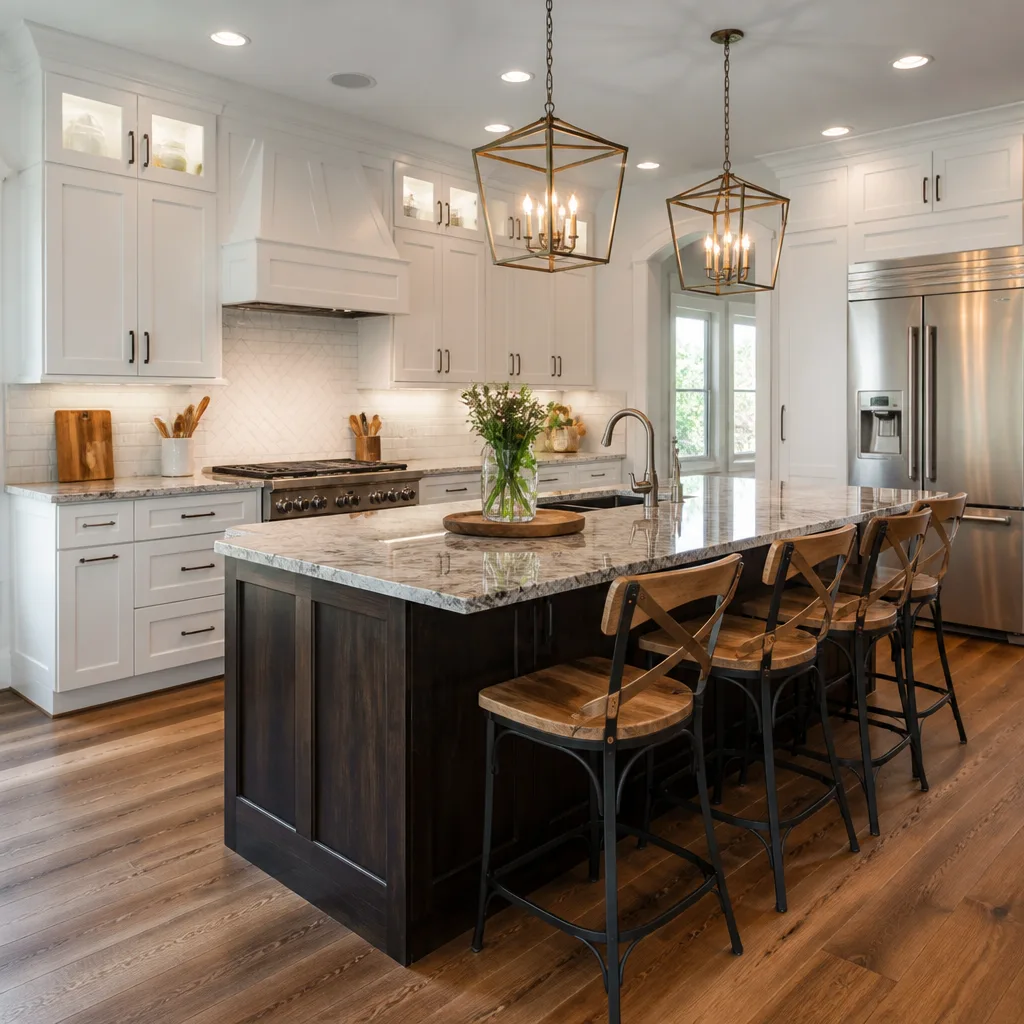
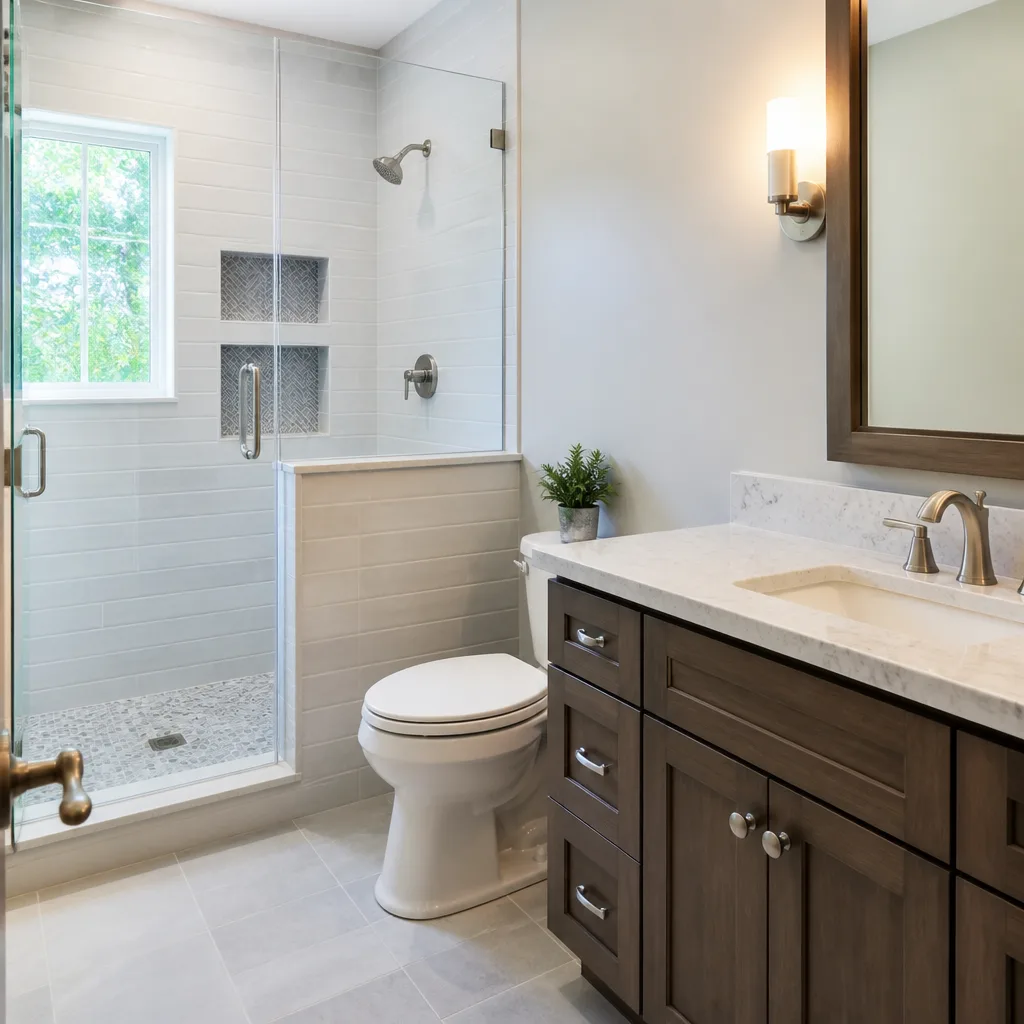
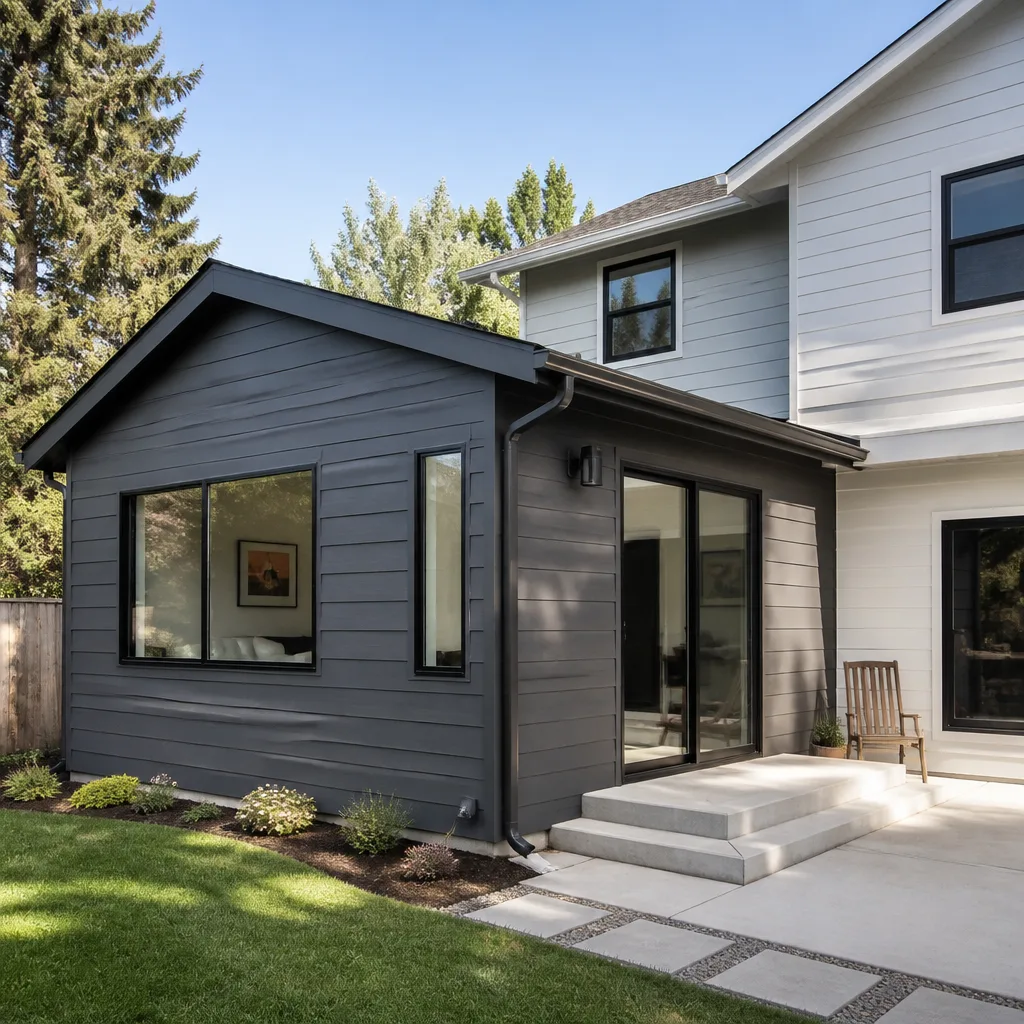
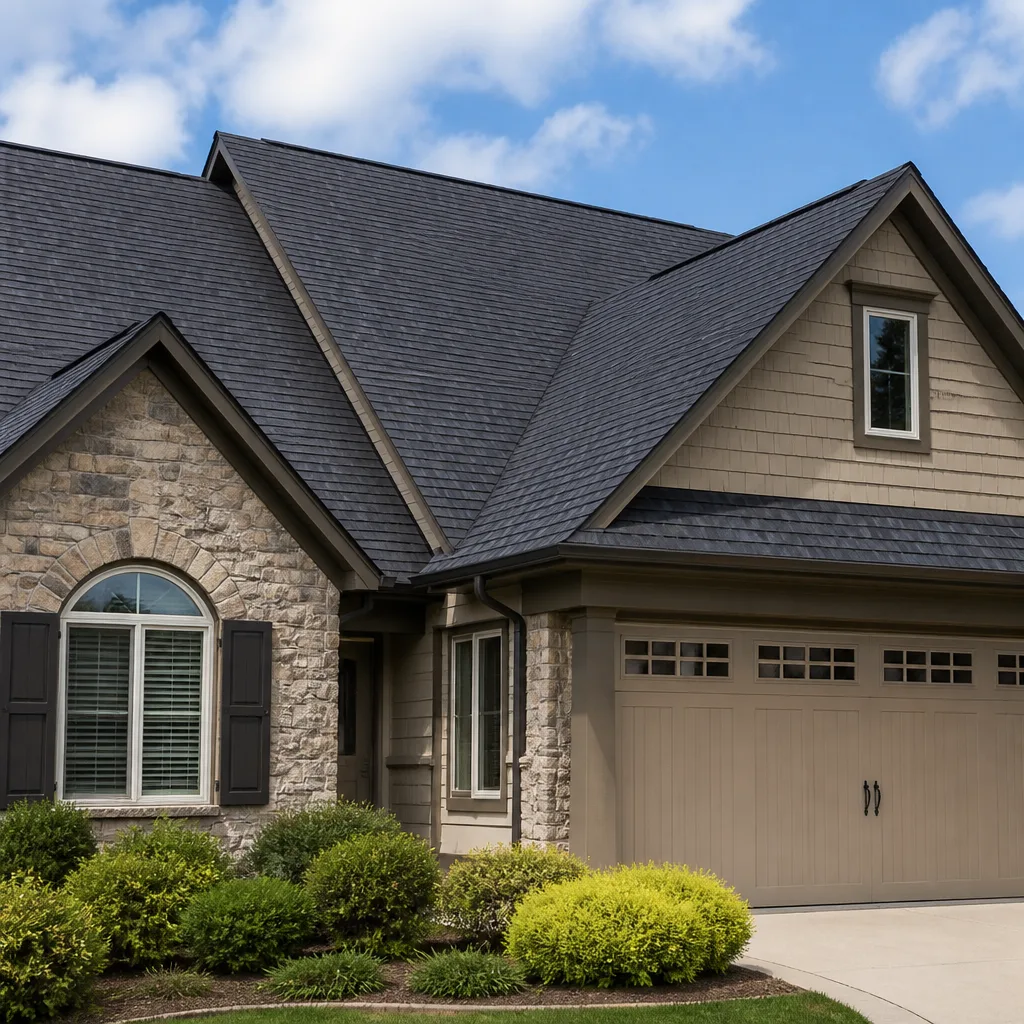
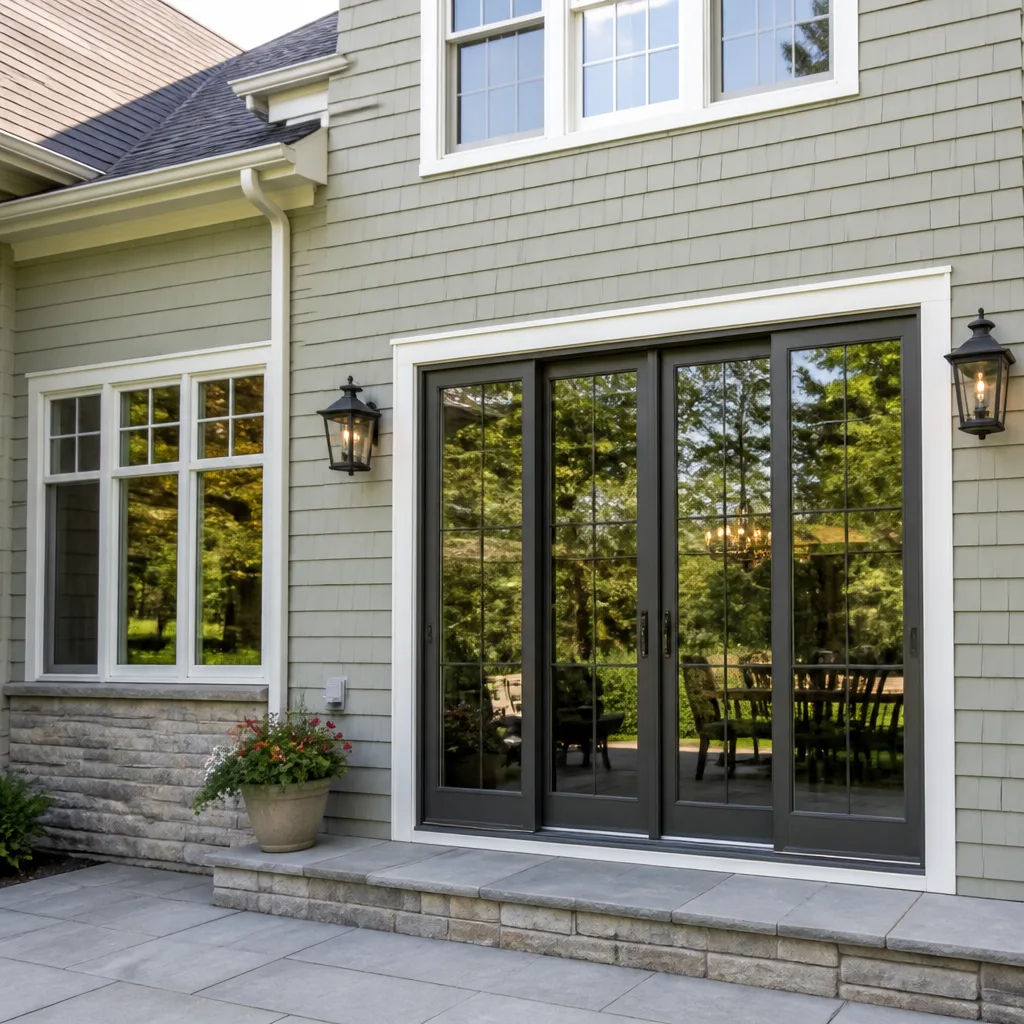
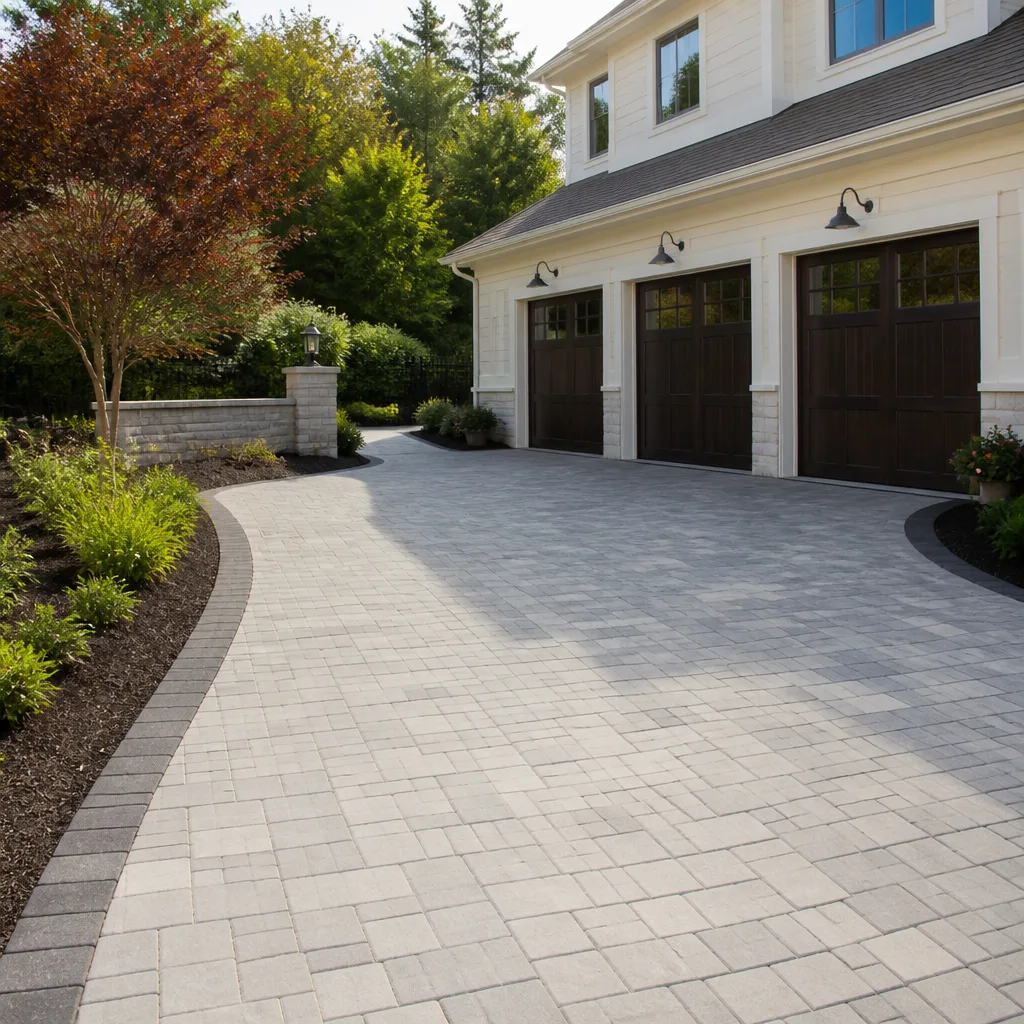
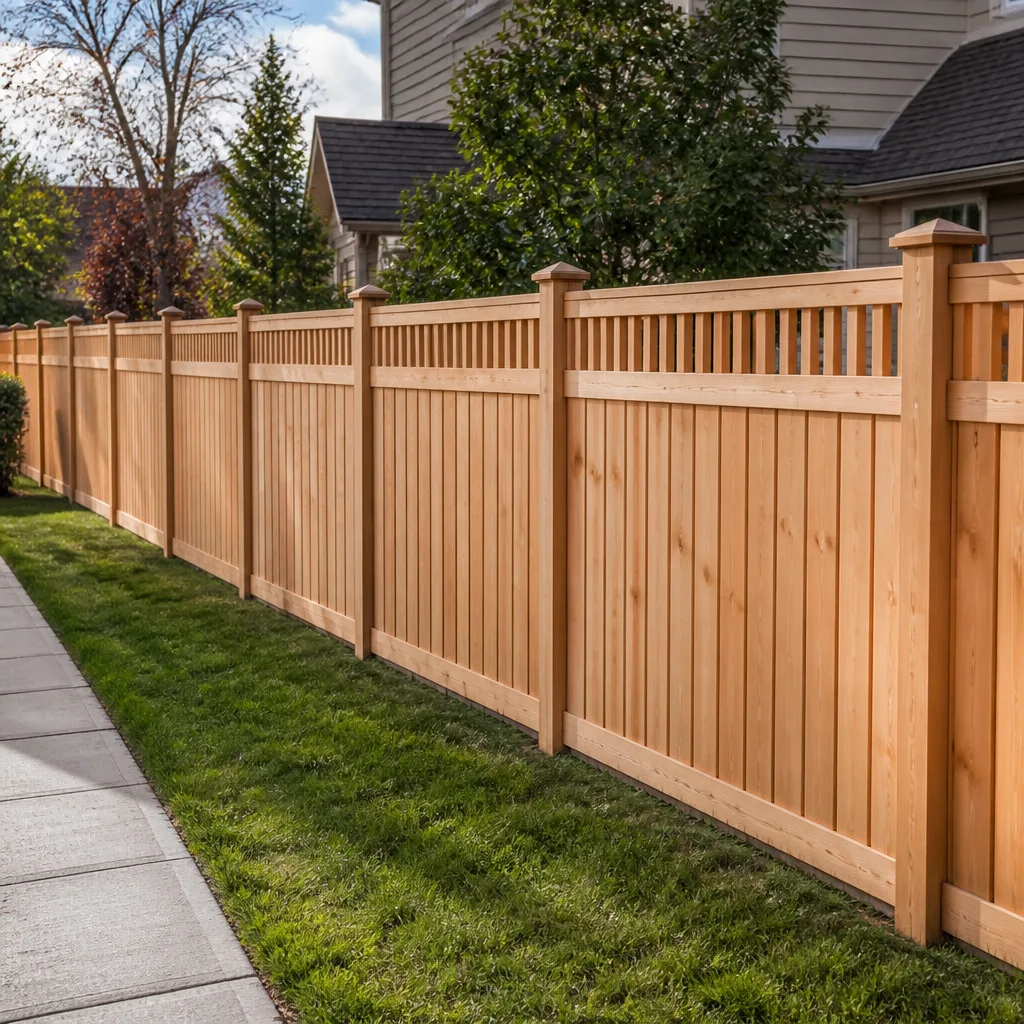
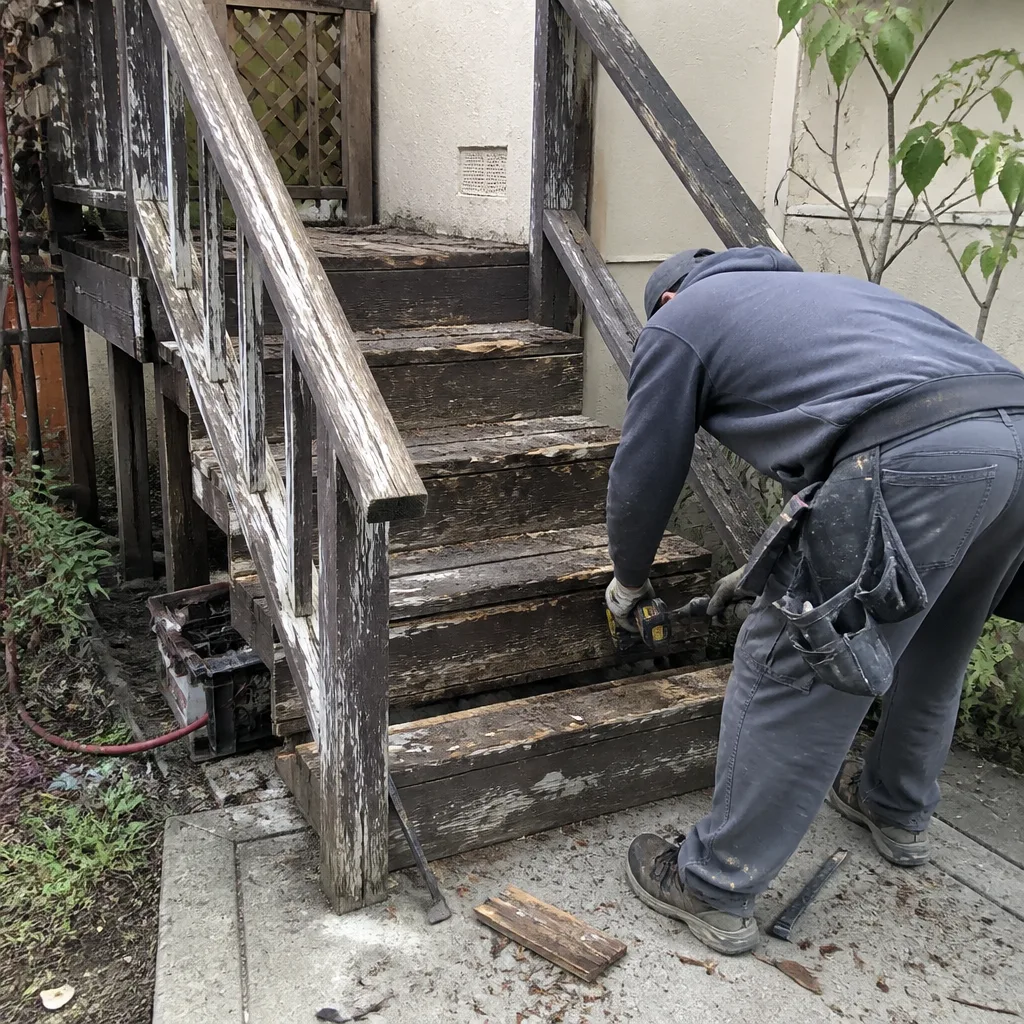 Before
 After
After Before
 After
After Before
 After
AfterHow to Hire a Construction Contractor in Walnut Creek: A Step-by-Step Guide
A Walnut Creek homeowner who compares three bids and picks the middle one has done the right thing for the wrong reason. The middle bid is only safe if all three contractors are pricing the same scope of work, and they almost never are. In our experience reviewing competitor estimates across 4,000-plus projects, a $15,000 gap between bids is usually a scope difference disguised as a price difference - demolition disposal left out, permit fees estimated low, temporary protection omitted entirely. This guide teaches bid literacy, not just vendor screening, so you can read the document that actually controls your money. For The Complete Guide to Construction in Walnut Creek, see our broader resource.
Quick Answer
To hire a construction contractor in Walnut Creek, build a written scope-of-work before soliciting bids, verify the CSLB license classification matches your project type, demand a written estimate with line-item costs, and only sign a contract that defines change orders, allowances, and completion in plain terms. The safest contractor is not the cheapest or the most reviewed - it is the one whose paperwork tells you exactly what you are buying before work starts.
Table of Contents
- Build Your Scope of Work Before You Ask for Bids
- How to Verify a California Contractor License in 90 Seconds
- How to Read a Written Estimate Like a Bid Document
- The Five Contract Clauses That Control Project Cost
- What a Signed Change Order Actually Looks Like
- Walnut Creek-Specific Permits, Codes, and Climate Factors
- Questions to Ask in the Interview
- Common Mistakes to Avoid
- When to Call a Professional
- Frequently Asked Questions
 Before
 After
AfterBuild Your Scope of Work Before You Ask for Bids
The single biggest mistake we see in Walnut Creek is homeowners calling three contractors and asking, “How much to remodel my kitchen?” Each contractor imagines a different kitchen. One assumes stock cabinets and laminate counters. Another assumes semi-custom KraftMaid with Cambria quartz. The third includes moving a gas line the others never discussed. You get three prices for three different jobs, and the “middle bid” is meaningless.
A scope-of-work document fixes this. It does not need to be technical. It needs to be specific enough that any contractor prices the same task list.
What to Include in Your Scope Document
- Demolition and disposal: Who hauls debris? Walnut Creek requires disposal at Central Contra Costa Sanitary District facilities for certain materials; hauling to an unpermitted dump site is a liability that lands on the homeowner.
- Permit fees and plan submittals: Contra Costa County and the City of Walnut Creek have separate permit tracks. A kitchen remodel in the Rudgear Meadows neighborhood may trigger different requirements than the same scope in a newer development near Ignacio Valley.
- Temporary protection: Dust containment, floor protection, and temporary kitchen setup. These are real costs; when omitted, they become surprise charges or damaged finishes.
- Existing conditions work: Asbestos testing for pre-1980 homes, lead-safe practices, subfloor repair after old flooring removal.
- Material specifications by brand and line: “Cabinets” is not a spec. “KraftMaid Vantage semi-custom, painted maple, soft-close hinges” is a spec. Kitchen Remodeling in Walnut Creek projects vary enormously based on these choices.
- Fixture and appliance responsibility: Who buys the Kohler faucet? Who receives the Toto toilet? Who stores it if delivery precedes installation?
- Cleanup standard: Broom-clean, or detailed cleaning with photo documentation?
When Rowan Construction Group Walnut Creek prepares a quote, we build from the customer’s scope or help them build one in the first meeting. Under Clause 1 of the Haven Standard, the written price is delivered before any work starts, every time. We cannot price what we cannot define, and neither can any honest contractor.
How to Build the Document
- Walk your space with a notepad. Note every surface you want changed and every surface you want protected.
- Collect images from magazines or websites. A photo of a bathroom with a curbless shower tells a contractor more than the phrase “modern bathroom.”
- List your non-negotiables: heated floors, specific brands, accessibility features, timeline constraints.
- List your flexibility points: you can accept a different quartz brand if the color match is close, or you can delay the project for better pricing.
- Ask each bidding contractor to confirm in writing that their estimate covers every line item in your scope. If they decline, you have learned something valuable before spending a dollar.
How to Verify a California Contractor License in 90 Seconds
California Business and Professions Code 7028 makes it illegal to perform construction work over $500 in combined labor and materials without a CSLB license. Verification takes under two minutes and protects you from unlicensed operators who leave you with no bond to claim against and no recourse through the CSLB complaint process.
Step-by-Step Verification
- Go to checkthelicensefirst.com, the CSLB’s official lookup.
- Enter the contractor’s license number or business name.
- Confirm the status is “Active” and the bond is current.
- Check the license classification - this is where most homeowners stop reading and where the most expensive mistakes happen.
What the Classification Letters Mean
A B (General Building) contractor can oversee projects involving two or more unrelated trades. A B license holder can contract for your kitchen remodel, your home addition, or your full ADU. A C-class specialty license covers only that specific trade: C-36 for plumbing, C-10 for electrical, C-8 for concrete, C-39 for roofing. A C-36 plumber cannot legally contract to install your cabinets. A B contractor can subcontract the plumbing, but cannot personally perform it unless they also hold the C-36.
For Roofing in Walnut Creek, a C-39 is required. For a bathroom remodel involving plumbing, electrical, and tile, a B is appropriate. For Bathroom Remodeling in Walnut Creek, verify your contractor holds either a B or the specific C-classes for every trade they will self-perform.
Check the Workers’ Compensation insurance status. If the contractor has employees and shows “Exempt,” that is a red flag. Check disciplinary actions - a pending suspension or prior citation indicates a pattern worth investigating.
Rowan Construction Group Walnut Creek maintains active licensure with workers’ compensation coverage for all employees; license numbers appear on every proposal and are verified before any crew arrives at a Walnut Creek property.
How to Read a Written Estimate Like a Bid Document
California B&P Code 7159 requires specific disclosures on home improvement contracts over $750. But the law distinguishes between an estimate and a contract, and the gap between those two documents is where budget surprises breed. An estimate can be verbal. A contract must be written. A good contractor treats the estimate as a preliminary contract - line-itemed, totaled, and signed by both parties before work proceeds.
Required Elements of a California Home Improvement Contract
- The contractor’s name, address, and CSLB license number
- A description of work to be performed and materials to be used
- The total contract price, including any finance charges
- The down payment amount (legally capped at $1,000 or 10% of contract price, whichever is less)
- The schedule of payments tied to completion milestones
- A notice of the three-day right to cancel
- A notice that the contractor must be licensed and bonded
What to Demand Beyond the Minimum
A written estimate that protects you includes:
- Line-item costs for labor and materials separately: This lets you compare material allowances across bids and spot the contractor using builder-grade tile priced at designer-tile rates.
- Permit costs as a separate line: Walnut Creek permit fees vary by project valuation. A contractor who buries permit costs in “miscellaneous” is either guessing or hiding.
- Start and completion dates with defined milestones: “Approximately six weeks” is not a schedule. “Demolition complete by [date], rough inspections by [date], final walkthrough by [date]” is a schedule.
- Warranty terms in writing: The Haven Standard’s 365-Day Done Right Promise is printed on every Rowan proposal, not referenced by asterisk.
- Cleanup and disposal included or excluded: Excluded cleanup on a Walnut Creek hillside property can mean thousands in unexpected hauling fees.
The Rowan Construction Group Walnut Creek home page includes our standard proposal format. We deliver a written price before any work starts, every time, on every trade - Kitchen Remodeling through Home Additions and ADU - because Clause 1 of the Haven Standard is the whole point.
The Five Contract Clauses That Control Project Cost
Most homeowners read the price and the scope, then sign. The clauses below determine whether that price holds or balloons. We have seen $40,000 kitchen remodels in Walnut Creek’s Castle Hill area finish within 3% of estimate, and $25,000 bathroom projects finish 40% over, and the difference was never the initial price. Our Kitchen Remodeling Maintenance Checklist for Walnut Creek Homeowners helps protect that investment after completion. It was these clauses.
1. Change-Order Procedure
The clause should require written authorization before any additional work proceeds, with a description of the change, its cost, and its effect on schedule. A contractor who performs work and bills later has violated this clause, and you have leverage to refuse payment. Rowan’s discipline - no work proceeds on a change until the change order is signed - is the administrative practice Haven acquired us for, and the reason our projects finish within a few percent of the agreed cost.
2. Allowance Definitions
An allowance is a budget placeholder for selections not yet made: tile, fixtures, lighting, countertops. The clause should state what happens when selections exceed or fall below the allowance. Without this, a contractor can set a $2,000 countertop allowance, watch you select $4,500 Cambria, and present a $2,500 surprise. Rowan allowances include the brand and line (Caesarstone Classico, not “quartz”), so the placeholder matches realistic pricing.
3. Substitution Rights
Can the contractor substitute equivalent materials if specified items are unavailable? The clause should require your written approval for any substitution and define “equivalent” by specification, not by contractor judgment. On a Walnut Creek ADU project using Dvele or Abodu components, substitution rights matter enormously - these are not commodity products.
4. Substantial Completion Definition
California law defines substantial completion as when the owner can use the improvement for its intended purpose. Your contract should be more specific: “substantial completion occurs when all items on the punch list except those noted in writing are complete, and all required inspections are passed.” This prevents a contractor from demanding final payment while trim, hardware, or cleanup remains.
5. Retainage Terms
Retainage is the percentage of payment held back until final completion. Standard practice is 10% until punch list completion. The clause should state when retainage is released and what conditions must be met. Without this, a contractor can delay final details indefinitely while holding your final payment hostage, or demand full payment while leaving items undone.
What a Signed Change Order Actually Looks Like
A change order is not a text message saying “the plumber found galvanized, it’ll be $800 more, okay?” It is a document with four components: a description of the change from the original scope, the cost of the change with labor and materials separated, the effect on the project schedule, and signatures of both contractor and homeowner. If any component is missing, it is not a change order. It is a dispute waiting to happen.
In Walnut Creek’s older neighborhoods - the original ranch homes near Larkey Park, the mid-century builds off Ygnacio Valley Road - we regularly find galvanized plumbing, ungrounded outlets, or substandard framing when walls open. These are not surprises caused by poor inspection; they are conditions concealed by finishes, discoverable only after demolition. The difference between a professional and an operator is not whether these conditions arise. It is how they are documented and priced.
Rowan’s change orders include a photo of the condition found, a written description of the required remedy, and a fixed price before work proceeds. The customer receives a copy for their file, and the original is attached to the contract. This is the Haven Standard in practice: if it is not documented, it did not happen.
A contractor who resists written change orders is telling you something more important than anything in their reviews. They are telling you that their pricing discipline is informal, that their memory of verbal agreements will differ from yours, and that your project budget is subject to their discretion rather than your authorization. This is the single most predictive behavior we know for cost overruns.
Walnut Creek-Specific Permits, Codes, and Climate Factors
Walnut Creek sits at the boundary of Contra Costa County’s inland valley and the East Bay hills, and this geography creates specific construction considerations that general advice misses. Our Seasonal Construction Care for Walnut Creek: Year-Round Homeowner’s Guide covers how to protect your investment through every season.
Permit Jurisdiction
The City of Walnut Creek issues permits for construction within city limits. Unincorporated areas - including portions of Alamo and the hills above - fall under Contra Costa County Building Division. The application process, fee schedule, and inspection timelines differ. A contractor who works only in the flatlands may not know the county’s hillside construction requirements, including geotechnical reports and enhanced drainage plans for properties above certain slopes.
Climate and Material Selection
Walnut Creek’s summer temperatures regularly exceed 90 degrees, with dry conditions from May through October. This affects material choices:
- Roofing: GAF Timberline HDZ and Owens Corning Duration shingles both carry Class A fire ratings and Solar Reflectance Index values that matter in Walnut Creek’s wildland-urban interface zones. The Mount Diablo foothills have specific fire-resistant construction requirements under Chapter 7A of the California Building Code.
- Exterior hardscape: Belgard and Techo-Bloc pavers installed with proper bedding sand and edge restraint handle thermal expansion better than poured concrete in Walnut Creek’s freeze-thaw cycles - rare but real in January mornings.
- Windows and doors: Low-E coatings and proper flashing are not upgrades in this climate; they are requirements for energy compliance and moisture management.
Soil and Drainage
The clay-heavy soils in Walnut Creek’s flatter areas expand when wet and shrink when dry, stressing foundations and flatwork. A contractor installing driveway pavers or concrete must account for this with proper base preparation - typically Class II base rock compacted in lifts, not a thin skim of gravel. Sakrete high-strength concrete mix with proper control joints performs better here than standard mixes without fiber reinforcement.
ADU and Addition Considerations
Walnut Creek adopted updated ADU ordinances in response to California’s statewide streamlining laws. Setback requirements, height limits, and parking waivers differ between the R-20, R-30, and R-40 zoning districts. A contractor who builds ADUs regularly in Walnut Creek knows which planners to consult and which standard plans the city has pre-approved. One who does not may submit plans that sit in correction cycles for months.
Questions to Ask in the Interview
The interview is not a personality test. It is a documentation test. You are verifying that the contractor’s promises exist in writing somewhere.
- “Can I see a sample proposal for a project similar to mine?” The proposal should show line-item structure, not a single total. It should name brands, define allowances, and include warranty terms.
- “What does your change-order process look like?” The answer should describe a written document with signatures, not a phone call or email exchange.
- “Who will be on-site, and are they employees or subcontractors?” Background-checked, uniformed employees indicate investment in workforce quality. A rotating cast of unnamed subcontractors indicates a brokerage model with less quality control.
- “What documentation do I receive when the crew leaves?” A documented photo record, included as standard, lets you verify what was found and what was done. Rowan provides this on every visit; it is not an upgrade.
- “Can you review a competitor’s estimate with me?” Rowan offers a Free Second Opinion on any written estimate - we review it line by line at no charge. A contractor who refuses to discuss competitors’ bids may lack the confidence to justify their own pricing.
- “What happens if something is not done right?” The answer should reference a specific guarantee with terms, not “we’ll take care of it.” The Haven Standard’s 365-Day Done Right Promise is printed on every page and backed by a terms page, not an asterisk.
Common Mistakes to Avoid
- Comparing bids without comparing scopes. A $45,000 bid with line-itemed demolition, permits, and temporary protection and a $38,000 bid without those items are not comparable. The lower bid will grow.
- Paying more than the legal down payment limit. California caps down payments at $1,000 or 10%, whichever is less. A contractor demanding 25% upfront is either undercapitalized or testing your compliance.
- Skipping the CSLB license check. Unlicensed contractors are cheaper until they disappear mid-project, damage your property, or leave you with no bond to claim. The 90-second check is non-negotiable.
- Accepting verbal promises about timeline. “We’ll be done by Thanksgiving” is not a schedule. Milestones tied to payments, with dates, are a schedule.
- Ignoring the permit question. In Walnut Creek, unpermitted work must be disclosed on sale and can trigger retrofit requirements. A contractor who suggests skipping permits is saving their time, not your money.
- Choosing based on personality rather than paperwork. A likable contractor with vague proposals is riskier than a reserved contractor with precise documentation. You are buying construction, not friendship.
- Not asking about hillside or drainage experience for sloped properties. Walnut Creek’s hillside homes require specific expertise. A flatland contractor learning on your retaining wall is an expensive education.
When to Call a Professional
Call a licensed contractor when your project involves structural modification, electrical or plumbing work, roofing, or any work valued over $500 combined labor and materials. These are legal thresholds, not suggestions. Call sooner if your home was built before 1980 and may contain asbestos or lead-based paint, or if you live in Walnut Creek’s wildland-urban interface and need fire-resistant materials specified to Chapter 7A.
Rowan Construction Group Walnut Creek offers free estimates in Walnut Creek - call (510) 686-6370. We deliver a written price before any work starts, every time, and we review competitor estimates line by line at no charge if you want a second opinion on a bid you’ve already received.
Frequently Asked Questions
Project costs vary by scope, but expect $25,000-$75,000 for a full bathroom remodel, $40,000-$120,000 for a kitchen remodel, and $150,000-$400,000 for a home addition or ADU in the Walnut Creek market. Material choices drive the range more than labor rates. Call (510) 686-6370 for an exact quote - estimates are free.
The price should not change for the scope you agreed to. Changes occur only through a signed change order describing new work, its cost, and its schedule impact. Under the Haven Standard, no work proceeds on a change until the change order is signed. Call (510) 686-6370 to discuss how we document fixed pricing.
A licensed contractor should pull all required permits and schedule inspections as part of the project. In Walnut Creek, this includes City of Walnut Creek permits for in-city work or Contra Costa County permits for unincorporated areas. Rowan pulls permits, pays fees from the contract allowance, and coordinates inspections - documented in the written scope from day one.
A bathroom remodel typically takes 4-6 weeks from demolition to final walkthrough. A kitchen remodel takes 6-10 weeks. ADUs and home additions run 4-8 months depending on plan approval speed. Walnut Creek’s permit review times vary seasonally; we build realistic timelines into every proposal. Call (510) 686-6370 for a schedule specific to your project.
A B (General Building) contractor can oversee the entire project and subcontract plumbing to a C-36. A C-36 plumber can only perform plumbing work and cannot legally contract for tile, electrical, or carpentry. For a full bathroom remodel, hire a B contractor or verify that a C-36 has partnered appropriately.
Check your property’s Fire Hazard Severity Zone at readyforwildfire.org. Homes in Very High Fire Hazard Severity Zones, including portions of Walnut Creek near Mount Diablo and the East Bay hills, require Chapter 7A-compliant materials for roofing, siding, and decking. Your contractor should verify this before specifying materials.
The Bottom Line
Hiring a contractor in Walnut Creek is not about finding the lowest bid or the most reviews. It is about finding the contractor whose paperwork tells you exactly what you are buying, whose license checks out in 90 seconds, and whose change-order discipline protects your budget when concealed conditions emerge. Build your scope first. Read the estimate like a contract. Verify the five clauses that control cost. And remember: a contractor who resists written documentation is telling you everything you need to know. For more guides & resources on hiring and managing your project, visit our blog.
Written by Grant Rowan, Owner at Rowan Construction Group Walnut Creek, serving Walnut Creek since 2007.